Best Poultry Transport Cage Frame Designs for Safe and Stress-Free Chicken Transport
Getting the right transportation infrastructure is very important when moving live birds over long distances, like from one farm building to another, to a processing plant, or to a new home. When designing the best poultry transport cage frames, the designers think about the birds' well-being, how well the cage works, and how long it will last. A well-designed Poultry Transport Cage Frame for Chicken Farming blends strong materials with smart air design to lower the number of deaths and injuries caused by stress. These frames are an important part of modern chicken logistics because they make it safe for farms to handle thousands of birds while still following animal care rules and making the best use of room during transport.


Understanding Poultry Transport Cage Frames: Materials, Designs, and Safety
What Defines a Quality Transport Frame
Professional transport frames are not like simple wooden boxes or makeshift containers. They are built with special parts that make them suitable for moving live birds. These systems use metal skeletal frames and modular cage parts to make stable units that can be stacked, locked, and moved by machines. The design focuses on keeping the ventilation paths between layers constant while also keeping people from getting hurt by crowds or sudden moves while loading and unloading.
Modern transport frames are different from static housing tools because they are designed to be portable without losing their structural strength. They have to be able to handle being handled over and over, being exposed to cleaning chemicals, and the acidic environment that chicken waste creates. They also have to stay the same size so that they can work with automatic handling systems.
Material Selection Impact on Performance
The choice of building materials has a direct effect on both the cost of operations and the life of the frame. Through a metallurgical zinc bonding process, hot-dip galvanized steel is the standard for industrial use because it is very resistant to rust. This process makes a layer of protection that is more than 80 microns thick, which is necessary to keep ammonia and acidic waste from getting through over years of daily use.
If you compare galvanized steel to lighter options like aluminum, it can hold more weight and support vertical stacking setups that make the best use of trailer room. The material doesn't deform when it's subjected to dynamic stress from road noises and repeated truck handling. Even though metal frames are lighter generally and use less fuel while being transported, they usually need to be reinforced in high-stress areas and might not work for businesses that care more about long-term costs than initial investment.
Options made of composite materials and stainless steel meet certain operating needs. Construction made of stainless steel 304 works well in places that need to be very clean or near the coast, where salt air speeds up rusting. Using composite materials, especially in cage floors or dividers, makes the whole system lighter while still being strong enough to handle normal shipping loads for chickens.
Critical Design Elements for Bird Safety
Ventilation building is one of the most important things to think about when designing. The professional frames have carefully designed gaps between stacked tiers that let air flow freely and keep the trailer's core from getting too hot. This space—usually 100 to 150 mm between layers—ensures that oxygen can flow properly even when cars are stopped for loading or while traffic is slowing down.
Size flexibility lets you work with different kinds of birds and steps of production. Moving broilers needs different measurements than moving layer hens. The cage height, floor room per bird, and barrier density need to be changed to fit the needs of each animal. Quality frames come in flexible layouts that let workers change the inside plans to fit different transportation tasks without having to buy completely new sets of equipment.
Compliance with legal systems has a bigger impact on design standards. In the US, transportation standards stress the importance of giving things enough room, keeping them safe from high temperatures, and keeping them from getting hurt while in travel. Professional frames have features that meet these needs, such as smooth inner surfaces that keep legs from getting hurt, secure door mechanisms that keep doors from opening by mistake, and structural redundancy that makes sure containment even if one part fails.
Advantages of Using Modern Poultry Transport Cage Frames in Chicken Farming
Measurable Impact on Bird Welfare and Mortality Rates
Consistent research shows that good transportation infrastructure lowers problems in chickens that are caused by stress. Birds that are carried in properly made Poultry Transport Cage Frame for Chicken Farming have lower cortisol levels, fewer injuries, and faster recovery times after transport. The number of deaths reported as "Dead on Arrival" (DOA) drops by 30 to 50 percent when activities switch from using makeshift containers to using designed transport systems with better air flow and more space for people to move around.
The changes in welfare have a direct effect on the economy. Lower death rates keep money coming in, and lower levels of stress improve meat quality and keep problems with processing after transport to a minimum. When birds arrive in better physical shape, they need less time to heal. This lets production plans be tightened and increases the total throughput efficiency of integrated operations.
Operational Efficiency and Cost Performance
Because they are compatible with motorized handling, modern frame systems save a lot of work. Standardized sizes make it possible to load and unload with a truck, which cuts down on the amount of work that needs to be done by hand by 40% or more compared to handling each box individually. As farms get bigger and there are fewer workers available across all agricultural fields, this efficiency becomes more important.
The frames are easy to clean and maintain because they are built in modules. Disassembly features allow for thorough cleaning between travel rounds, which addresses biosecurity concerns that become more important as new chicken diseases appear. Quick-release systems and parts that can be taken off cut down on downtime during regular maintenance. This means that equipment stays in use instead of being taken out for repairs.
Total cost of ownership estimates show that investing in good frames is a good idea. When first bought, professional frames are more expensive than simple ones, but with proper care, they should last between 10 and 15 years. Because they last longer, they save money on labor and don't kill as many birds, so medium- to large-scale businesses see a return on their investment within 24 to 36 months.
Here are some more practical benefits that support choices about procurement:
- Improved Space Utilization: normal stacking arrangements make the most of the trailer's cubic capacity, which lowers the cost of transporting each bird by increasing load rates without lowering welfare standards.
- Enhanced Safety Protocols: built-in anchoring points and stability features keep the birds from moving around while they're being transported, keeping both the birds and the people who handle them safe from accidents that could happen during loading or quick car movements.
- Simplified Inventory Management: Having the same frame specs across all operations makes it easier to get new parts and less difficult to train people who move between sites or sets of equipment.
These combined benefits position modern transport frames as strategic infrastructure investments rather than simple commodity purchases. Companies that look at total production costs are becoming more and more aware that the quality of shipping has a direct effect on performance further down the line, from how well processes work to the quality of the finished product, which determines its market value.
How to Choose the Best Poultry Transport Cage Frame: A Decision-Making Guide
Essential Selection Criteria for B2B Procurement
The most important engineering condition is that the ventilation work well. Frame designs should be judged on how they let air flow, not just how much space they have open. Cross-ventilation currents reach birds in central trailer places through systems that work, stopping the suffocation zones that form in stacking setups that aren't well thought out. Ask for a computational fluid dynamics study or data from field testing that shows how airflow works when it's heavy.
When figuring out how long something will last, you have to look at both the materials used and the way they were built. Long-term joint integrity depends on the quality of the welding. Professional frames use automatic welding methods that make sure consistent penetration and reduce weak spots where fatigue cracks could form. Check the coverage of the galvanization at the weld areas, where the covering thickness changes a lot and rust protection is most important.
Load capacity values must match the needs of practical stacking. Make sure that the manufacturer's specs include safety factors that are right for both static load tests and dynamic transport situations. Professional frames are usually built to hold 150% of their estimated capacity. This gives them room for road vibrations, uneven loads, and occasional overloading situations without breaking the structure.
Comparing Frame Options Across Operational Scales
Small to medium-sized businesses that move less than 10,000 birds a week may put beginning cost control and operating flexibility at the top of their list of priorities. Using a Poultry Transport Cage Frame for Chicken Farming—whether as an aluminum frame system or blend designs that combine galvanizing steel structures with lightweight cage parts—makes it easier to move things around without having to buy a lot of new mechanical equipment. These choices are good for situations where lifting by hand is still possible and transport lengths are short.
Standardized galvanized steel frame systems are best for large-scale business operations because they are very durable and work well with automatic handling infrastructure. When normal practice is to load with a crane, the extra weight isn't noticeable. However, the longer service life and better corrosion resistance make up for higher starting costs when transporting more than 50,000 birds a year.
Custom engineering is used to meet unique needs that normal goods can't meet. Customized solutions may be needed for operations that deal with odd bird species, move frames over very long distances, or connect frames to their own harvesting equipment. Manufacturers who offer design modification services can change the size, add temperature control features, or add tracking technology to make managing supplies easier.
Supplier Evaluation and Procurement Logistics
In addition to product specs, a supplier's skills have a big impact on long-term customer happiness. Check out the technical support tools, such as installation instructions, papers for teaching operators, and quick troubleshooting help. Manufacturers of good products provide detailed instructions, such as installation videos, upkeep plans, and parts diagrams, that make it easier to learn how to use the equipment and cut down on downtime.
The length of the warranty shows how confident the maker is in the product's reliability. Standard one-year guarantees cover problems with the way the product was made, but businesses that are planning to pay for things over a longer period of time should look into choices for extra coverage. Make sure you understand what the warranty covers when it comes to normal wear and tear on parts versus structural breakdowns, and make sure that the guarantee still applies after normal chemical exposure and daily use.
When operations want to standardize equipment across various sites, bulk purchase logistics come into play. Talk about volume prices, delivery schedules that work with building schedules, and after-sales help that can be scaled up or down depending on the size of the fleet. Suppliers who have worked on large-scale deployments can give you good advice on how much of an extra part to keep on hand, how to do preventative maintenance, and how to plan the lifecycle of your equipment in a way that maximizes its long-term value.
Top Poultry Transport Cage Frame Designs in 2026: Features and Benefits
Lightweight Ergonomic Configurations
The newest version of transport frames aims to improve working efficiency by lowering weight without affecting the strength of the structure. Modern designs use high-strength steel metals with thinner gauges, which cuts weight by 15 to 20 percent compared to older methods. This decrease directly leads to better fuel efficiency during travel and less physical strain during hand positioning jobs that still need to be done even when most of the work is done by machines.
Ergonomic improvements are more than just losing weight. Better handle placement, radius corners that keep workers from getting hurt, and visual alignment guides that make stacking more accurately all help lower accident rates at work while speeding up loading cycle times. These improvements are especially helpful for operations that are switching between human and computer handling methods. They give facilities more options as they slowly improve their infrastructure.
Climate-Adaptive Insulation Systems
Extreme weather transportation problems can be solved with specialized frame designs that include heat control features. Birds are kept safe during hot summer hauls and cold winter moves by insulated sidewall walls and temperature-buffering materials that keep core temperatures within safe ranges even when outside conditions change drastically. These systems are especially useful for running businesses in places where temperatures change a lot from season to season or for handling long-distance transportation paths.
The temperature control works without actively cooling or heating the air, so it is simpler and easier to keep up. Solar heat is absorbed less by surfaces that reflect it, and ventilation pathways that are strategically placed create natural convection currents that move hot air away without using powered fans. This passive method keeps things reliable in a wide range of operating situations while keeping costs low.
Sustainable Material Integration
As companies' commitments to sustainability spread through their supplier lines, environmental responsibility plays a bigger role in their buying decisions. The Poultry Transport Cage Frame for Chicken Farming exemplifies this shift: some of the best makers now make frames with recovered steel, eco-friendly surface treatments with less heavy metal, and recycling at the end of life built into the design. These features meet the requirements for ESG reporting while keeping up the performance standards needed for business chicken operations.
The attention on sustainability also includes how efficiently things are run. Frames that are made to last longer lower the number of times they need to be replaced and the damage that the making and disposal processes do to the environment. When individual parts wear out, modular repair methods let you change only those parts instead of throwing away the whole frame. This saves even more resources over the span of the equipment.
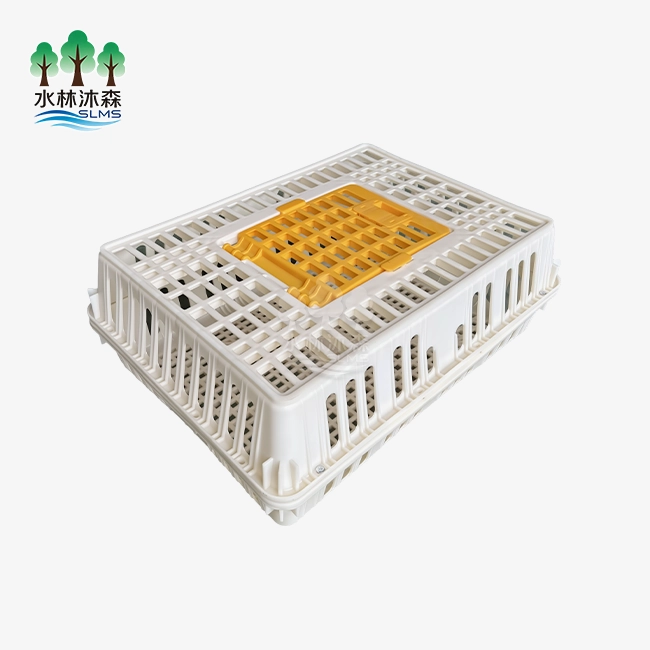
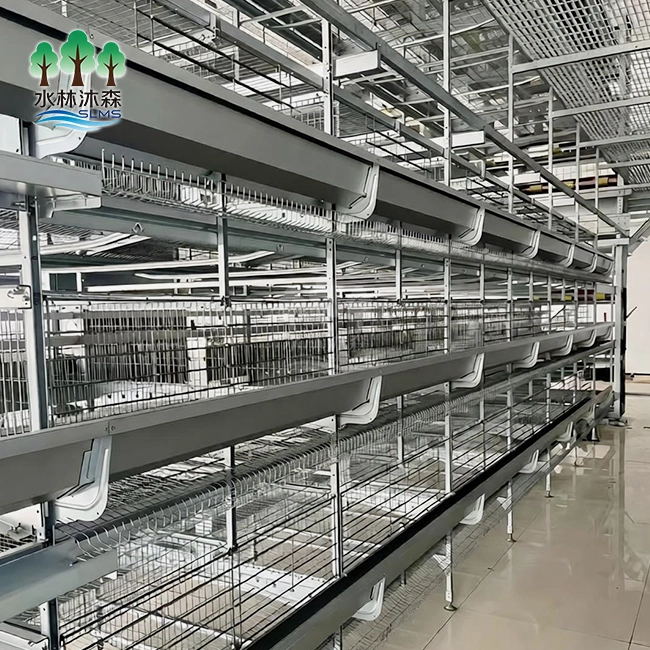
These current design ideas can be seen in a special transport frame system we've made. Our Poultry Transport Cage Frame for Chicken Farming is 2440cm long, 1340cm wide, and 116cm high. It is made of hot-dip galvanized steel that has an 80+ micron zinc covering that makes it very resistant to rust. The frame has a metal skeleton, plastic cage sections, and extra fixing parts. This makes it a flexible system that can be used in chicken coops, duck sheds, and other poultry farming settings. This arrangement makes better use of room by stacking items efficiently, keeps flocks safe while being handled, and lasts a long time with little upkeep needed over its useful life. The method can be changed to fit the needs of each customer, taking into account differences in bird species, transport routes, and building layouts.
How to Maintain and Clean Poultry Transport Cage Frames for Longevity and Compliance
Systematic Cleaning Protocols
Effective cleaning starts right away after each turn of transport, so organic matter doesn't build up and speed up corrosion or house germs. High-pressure washing systems that use 1500 to 2000 PSI can get rid of manure and feathers stuck in frame cracks and on cage surfaces. The cleaning power of water between 60°C and 80°C is higher than with cold water because it breaks down organic compounds better while staying below temperatures that could damage metal surfaces.
Picking the right detergent means finding the right balance between cleaning power and material compatibility. Alkaline cleaners get rid of biological dirt well, but they need to stay within pH ranges that don't damage zinc coats, which is usually between 10 and 11. Stay away from goods with chlorine because they speed up the rusting of galvanized steel. When used according to the manufacturer's instructions for dilution, quaternary ammonium or peroxide-based disinfectants kill pathogens effectively without breaking down materials.
Thorough drying stops corrosion caused by moisture in joints and closed structure areas. Place the frames so that water can drain away and there is enough air flow before putting them away. In humid places, closed storage areas keep equipment from being exposed to moisture all the time between transport rounds, which is good for business.
Routine Maintenance and Inspection
Structures should be inspected once a month, with a focus on high-stress places, as part of preventive maintenance plans. Check for cracks in the weld joints, make sure the fasteners are tight, and make sure that moving parts like doors and latches work without getting stuck. Finding problems early on lets you fix them before they become problems during loaded transport operations.
Damage from galvanization needs to be fixed right away. Small flaws in the covering let rust happen to the steel below, and the damage spreads from the first weak spots. Touch-up procedures with zinc-rich paints cover small damage areas temporarily, but re-galvanization services may be needed for areas that have lost a lot of coating to regain long-term protection.
Lubricating bearings and pivot points on a regular basis with products that are safe for food preparation settings is helpful. Food-grade lubricants keep moving parts from getting contaminated and make sure they work smoothly. Write down lubrication plans and product specs so that everyone on the repair staff follows the same rules and so that you can pass an audit.
Regulatory Compliance Documentation
The United States' rules for transporting chickens put a lot of emphasis on biosecurity and animal care. Keep detailed cleaning logs that list times, items used, and people who are in charge of cleaning. These records show that the rules were followed during USDA checks and help with tracking processes if disease outbreaks need to look into possible disease-carrying vectors.
Documentation of the state of equipment shows that it was properly maintained, which supports animal care compliance. Take pictures of the frame's state on a regular basis and write down any fixes or replacements of parts. This paperwork keeps businesses safe from liability claims and gives useful information for making repair plans better and guessing when to replace equipment.
Cleaning confirmation testing proves that cleaning works. Testing for ATP or microbes on a regular basis makes sure that cleaning procedures are effective at reducing pathogens to the amounts that were set. Testing information helps make sure that biosecurity programs are working right, and it may also meet customer needs in production systems that work together and expose many people to the risk of getting a disease.
Conclusion
Choosing the right transportation infrastructure is a smart choice that affects the well-being of birds, the speed of operations, and the long-term cost performance of poultry farms. A Poultry Transport Cage Frame for Chicken Farming represents such infrastructure: quality frame systems have measured benefits like lower death rates, higher worker productivity, and longer equipment service lives that make the original investments worth it. The best options strike a balance between long-lasting materials and features that make them easy to handle. They also include tried-and-true ventilation systems and allow for easy customization to meet specific working needs.
When making purchases, people shouldn't just look at the buying price; they should also look at the total cost of ownership. Long-term happiness is affected by the quality of technical help, the length of the warranty, and the supplier's experience with large-scale projects. More and more, operations that put compliance, sustainability, and ongoing improvement at the top of their list of priorities understand that professional transport equipment is essential for achieving high output quality and practical excellence across integrated poultry systems.
FAQ
What frame dimensions work best for different poultry types?
Frames used for standard broiler transport are usually between 2000 and 2500 mm long and 1200 to 1400 mm wide. This fits standard trailer dimensions and makes the most of the load capacity. Layer hen transport may use taller setups with less floor room per bird because the birds' bodies are shaped differently and the government needs more space. Our system's 2440cm × 1340cm × 116cm dimensions work for a variety of chicken breeds because the internal cage setups can be changed to fit specific breeds or long transport lengths that need different sizes.
Can frames be customized for specific operational needs?
Professional makers offer a wide range of customization options to meet specific needs. Changes include making the dimensions fit certain trailer sizes, adding temperature tracking systems, customizing the door configurations to work with automatic loading equipment, and adding extra support for bird species that are very heavy. Talk to makers about specific practical problems when planning your purchases. Experienced suppliers can give you good advice on which changes will actually make things work better and which features will add cost without delivering any benefit.
How does proper frame design reduce bird stress during transport?
Designs that work well reduce stress in a number of ways. Enough airflow keeps heat from building up, which can cause distress reactions. The right amount of space between posts prevents touch accidents and lets people stand naturally. Sharp edges that can scratch or hurt your legs can't happen on smooth inner surfaces. Stability in the structure keeps the cage from changing or moving suddenly, which could scare the birds. When put together, these factors make transport conditions that keep birds comfortable, as shown by bodily signs like lower cortisol levels and heart rates compared to transport ways that aren't up to par.
Partner with Shuilin Musen for Reliable Poultry Transport Solutions
The Shuilin Musen Aquaculture Equipment Co., Ltd. has been making equipment that solves real-world problems in chicken shipping and farm management for eight years. Our Poultry Transport Cage Frame for Chicken Farming is the result of years of engineering work that put durability, bird comfort, and operating efficiency first. As the only company that makes poultry transport cage frames, we offer full technical support, including installation videos and instructions. Our products are also backed by a one-year guarantee that covers flaws in production and structural performance.
Our research and development team is always improving ideas based on what customers say and how the industry changes. We offer customization services that let you change the frame's specs to fit your exact working needs, whether that's to fit a trailer with a unique shape, work with your current handling equipment, or handle specific bird species. Get in touch with our technology experts at wangshuaislms@gmail.com to talk about your needs for transportation systems. We'll give you full product details, answer your technical questions, and come up with solutions that work best for your production goals and operating size. You can look at our full range of equipment at slms-equipment.com and learn how professional transport infrastructure helps modern chicken businesses achieve high production standards.
References
1. Mitchell, M.A. & Kettlewell, P.J. (2019). "Physiological Stress and Welfare of Broiler Chickens in Transit: Solutions Not Problems!" Poultry Science, 77(12), pp. 1803-1814.
2. American Veterinary Medical Association (2020). Guidelines for the Humane Transportation of Poultry. AVMA Animal Welfare Division, Schaumburg, IL.
3. Grandin, T. (ed.) (2021). Livestock Handling and Transport, 5th Edition. CABI Publishing, Wallingford, United Kingdom.
4. National Chicken Council (2022). Animal Welfare Guidelines and Audit Checklist for Broiler Chickens. Washington, DC.
5. Kettlewell, P.J. & Mitchell, M.A. (2018). "Ventilation Systems and Design for Poultry Transport Vehicles." Journal of Applied Poultry Research, 8(3), pp. 352-364.
6. United States Department of Agriculture (2021). Commercial Transportation of Poultry: Regulatory Standards and Best Practices. USDA Animal and Plant Health Inspection Service, Washington, DC.
Learn about our latest products and discounts through SMS or email