Slat flooring for poultry: key elements in production
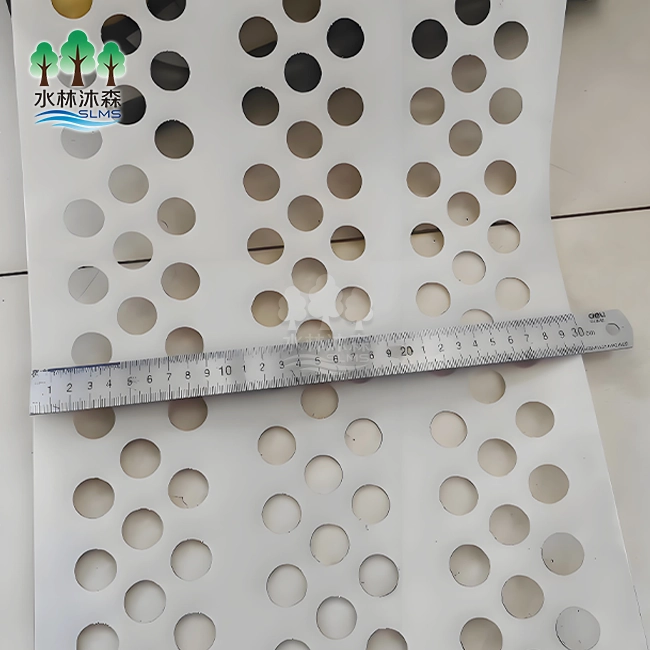
Slat flooring for poultry is a new housing method. The higher platform keeps birds away from their trash. This particular flooring features carefully constructed openings between 12 mm and 20 mm to enable excrement fall through and provide hens, ducks, and turkeys stability. The method improves biosecurity, environmental control, and operational efficiency in commercial poultry farms by addressing ammonia buildup, pathogen exposure, and laborious manure management.
Understanding Slat Flooring and Its Benefits for Poultry Farms
Slat flooring for poultry solutions have transformed how huge poultry farms care for the environment and their animals. Instead of deep litter systems that require bedding replacement and human cleaning, modern hardwood platforms keep birds away from garbage.
Material Selection and Performance Characteristics
Slat flooring for poultry is made from many materials, each with benefits. High-impact pure polypropylene (PP) and polyethylene (PE) are the most frequent corporate materials because they withstand water, acids, and ammonia, which is corrosive. These polymer-based options' one-piece molding eliminates weak points and prevents structural failure under heavy use.
Material composition affects durability and care. UV stabilizers and antioxidants keep good polypropylene flooring robust for 10–15 years, even in difficult conditions. Wood choices are cheaper initially, but water and acidic waste break them down faster, so they must be changed every three to five years. Composite materials combine man-made and natural elements. They strive to balance longevity and affordability, but manufacturer performance varies.
Environmental and Health Advantages
The form improves chicken coops quickly. The holes allow waste to fall into storage spaces below, preventing bird-level buildup. This separation considerably reduces ammonia. Places with concrete floors or deep litter systems without proper airflow might have harmful ammonia levels. Less ammonia exposure improves lung health, lowering medicine costs and mortality.
Slat flooring for poultry solutions improve ventilation. Birds' wings increase airflow under and around them, reducing dampness that would support germs and fungus. Switching from garbage to slat flooring for poultry can reduce respiratory infections by 15–20% on big poultry farms. Layer farms claim cleaner eggs and shells, which boosts product quality and value.
Another advantage is pathogen control. Slat flooring for poultry prevents coccidiosis, salmonella, and E. coli by reducing bird-feces contact. This biosecurity innovation reduces pharmaceutical usage, supporting antibiotic-free production practices that large chicken purchasers and retail chains are demanding.


Comparing Slat Flooring Options: Materials, Designs, and Applications
Consider material characteristics, design requirements, and uses while buying. Each slat flooring for poultry has benefits and downsides that effect initial investment, continuing expenses, and performance.
Plastic Versus Wood: A Practical Comparison
Slat flooring for poultry constructed from raw PP or PE may survive chemicals and moisture better than wood. The non-porous surface prevents biofilm and germ growth, making cleaning easy. Slat flooring for poultry may be cleaned without damage using 100–120 bar high-pressure systems. But the same procedure will soak up water, distort, and splinter timber slats.
Materials have extremely varying load-bearing capabilities. Most commercial-grade plastic bars can support over 250 kg per point and 500 kg per square meter. The floor is strong enough to sustain enormous parent birds and allow maintenance staff to walk on it without anxiety. Wooden slats need additional support beams to avoid bending, making installation harder and raising material costs.
Environmental impact concerns are increasingly influencing purchases. Petroleum-based slate flooring for poultry endures 200–300 times longer than wood. This means they consume less material and need fewer replacements. End-of-life agricultural plastic recycling schemes are developing across North America. Waste is diverted from landfills via these initiatives. Wooden slats fall down naturally, but they may need environmentally harmful chemicals to stop.
Design Considerations for Different Poultry Types
Based on bird kind and manufacturing stage, gap width and slat spacing must be set. Broiler operations use 12–15 mm apertures to suit smaller, lighter birds without harming their legs. For larger, heavier chickens to pass manure, layer farms need 15–20 mm intervals. Ducks and geese create more droppings and wetness, hence specific designs with 20–25 mm apertures are needed.
Surface form affects birds' comfort and safety. Modern designs contain non-slip surfaces and slightly convex contours to assist dung slide off. Rounded edge treatments prevent footpad dermatitis, a costly condition that cripple animals and decreases broiler processing quality. Premium flooring has smooth, burr-free surfaces. Precision molding eliminates microscopic imperfections that might harbor germs or create scratches.
Installation and Maintenance Best Practices for Slat Flooring in Poultry Houses
A system's longevity depends on its installation. Slat flooring for poultry is less sturdy and harder to maintain if not properly prepared or assembled, reducing their practical benefits.
Site Preparation and Installation Protocols
Installing something starts with precise measurements and arrangement. Uneven roots produce stress clusters that cause support structures to collapse early, thus facility managers must level them. Galvanized steel, PVC, and fiberglass support beams keep frames sturdy in humid, chemically reactive chicken houses.
Male-female connection points properly suit 500–800 mm slat panels. An effective solution maintains panel holes under 2 mm to prevent toes from becoming stuck and smooth the surfaces. Since manufacturing errors might cause panels to need adjustment or replacement, installation crews should inspect the interlocking when assembling the panels.
Our entire installation video courses guide building teams through the procedure. These tools show how to manage, connect, and check quality. Technical support professionals are available to resolve site-specific issues, ensuring easy installation regardless of facility size or setup.
Cleaning Schedules and Preventive Maintenance
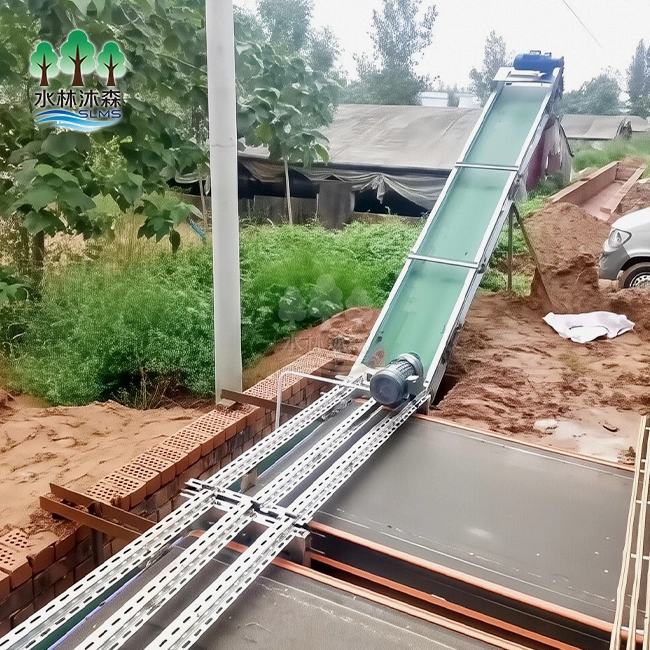
Material type and stock number effect maintenance demands. Every now and again, high-pressure cleaning of slat flooring for poultry systems helps. This frequently happens between production runs. Organic buildup is quickly removed by the non-porous surface, making cleanup easy. Some companies utilize daily automated spray systems to clean surfaces while creating items.
Before issues worsen, inspections should discover damaged panels, loose linkages, and structure wear. Looking attentively at heavily used areas might reveal stress fractures or edge wear. Replacing damaged panels immediately reduces danger and appropriately distributes load across the flooring system. Our modular flooring enables you rapidly swap panels without compromising neighboring portions.
Chemical compatibility is still crucial when choosing cleansers and disinfectants. Polypropylene and polyethylene don't degrade quickly when subjected to phenolic chemicals, quaternary ammonium compounds, and oxidizing agents used in poultry cleaning. Since some industrial cleansers might degrade polymer structures in inexpensive flooring materials, operators should check compatibility before using new products.
Procurement Considerations: Selecting and Buying the Right Slat Flooring for Your Poultry Operation
Strategic procurement balances rapid cash with long-term operating savings and consistent performance. Big slat flooring for poultry buyers require technical expertise, flexibility, and fast after-sales support.
Supplier Evaluation Criteria
Product approvals verify material and manufacturing quality impartially. Chemical protection, load-bearing test results, and virgin materials are guaranteed by reliable slat flooring for poultry manufacturers. Buyers should request third-party testing to ensure the equipment fulfills farming safety regulations.
Warranty periods demonstrate the manufacturer's confidence in product life. Most industry warranties run one to three years, although high-end systems with excellent quality control may last longer. Our slat flooring for poultry products come with a one-year warranty because we trust our materials and labor. This warranty protects purchasers from flaws and makes sellers accountable for long-term performance.
Complete solution vendors distinguish themselves from commodity dealers by offering technical support. Complex installations or building improvements benefit from engineering guidance that optimizes architecture, defines support structures, and addresses site-specific issues. Distributors without farm engineers provide poor technical support compared to companies with dedicated R&D teams.
Cost-Benefit Analysis and ROI Calculations
Slat flooring for poultry systems cost 30–50% more upfront than wooden ones. This discourages budget-conscious shoppers. A thorough financial analysis reveals that large operational savings rapidly offset the higher starting expenditures. The largest long-term benefit is reduced effort. Automated waste management systems reduce hand-cleaning by 40% or more compared to litter-based housing.
Increased feed exchange rates benefit the economy more. Cleaner, lower-ammonia settings help birds develop quicker and consume food more effectively. Slat flooring for poultry increased feed conversion by 2% to 3% on commercial broiler farms, saving money throughout a production cycle. Layer farms make more per bird with less egg contamination and improved grade-out rates.
Increased direct production and lower healthcare costs go along. When illnesses are rare, medical, vaccination, and animal care costs drop. Well-run slat flooring for poultry factories reduce death rates by 1% to 2%, improving output efficiency. When considering a 10-year planning period, slat flooring for poultry provide 20–30% lower living expenses than alternative flooring solutions.
Customization and Bulk Purchasing Options
Large-scale enterprises benefit from flooring requirements customized to building size and production process. Our engineers collaborate with clients to tailor solutions to their coop sizes, bird varieties, and management preferences. From tiny family farms to facilities with over 100,000 birds, custom gap widths, panel lengths, and thicknesses ensure optimal performance.
Bulk purchasing programs help businesses that are growing or running more than one location save money by buying in bulk. Volume agreements lower costs and ensure material quality across sites. Strong inventory management and supply connections ensure that large orders are filled quickly and reliably at our company. Planning building improvements or construction requires supply stability.
Case Studies and Industry Insights: Real-World Applications of Slat Flooring in Poultry Production
Current slat flooring for poultry technologies increases performance in measurable ways. These empirical findings help procurement professionals chose equipment.
Commercial Broiler Operation Performance Data
After converting from deep litter to slat flooring for poultry, a 50,000-bird broiler farm in the Southeast witnessed huge improvements. Ammonia levels at bird height dropped 12% throughout the procedure. This matched less respiratory illnesses throughout processing. Disease stress decreased and environmental factors improved feed conversion by 2.8%. Manure management duties fell by 45%, freeing up people to watch birds and maintain the building.
Despite greater initial construction expenses, the facility generated a ROI within 18 months. Less mortality, improved feed economy, and cheaper medicine expenses exceeded expectations, supporting the financial analysis that led to conversion. The equipment functioned well and just needed to be washed between groups.
Layer Facility Egg Quality Improvements
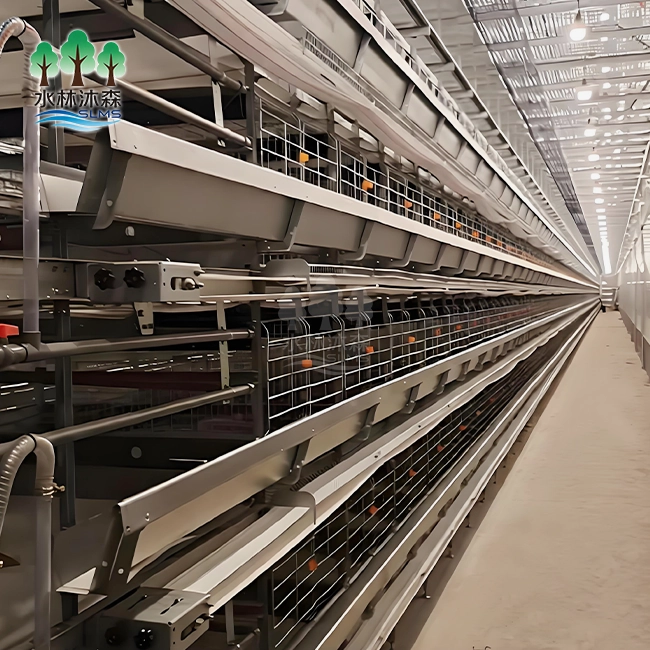
Aviary systems with slat flooring for poultry supported nest boxes and feeder lines on an 80,000-hen cage-free layer farm. The facility produced 15% fewer unclean and substandard eggs than earlier barn systems using deep waste. Because premium eggs could be obtained in quantity, this quality enhancement immediately increased revenue.
Health indicators for hens improved similarly. Footpad dermatitis incidences reduced 20%, reducing culling and increasing group life. The correct gap spacing and rounded-edge slat design enabled these welfare benefits. Careful equipment specification can assist achieve economic and ethical manufacturing goals.
Emerging Innovations and Future Trends
New material science advances improve slat flooring for poultry. Recent innovations directly add antimicrobials to polymers. This keeps surfaces clean, reducing pathogen growth between cleanings. This enhanced material might help high-biosecurity companies achieve high-end markets that demand antibiotic-free production.
Bio-based polymers from natural feedstocks are being developed for environmental reasons. Several firms are trying plant-based polymers to make slats with the same performance but less oil. As manufacturing quantities increase and farm biomass feedstocks become available, these materials may become cheaper.
Slat flooring for poultry with smart tracking technology are another trend. Site managers can be alerted by embedded monitoring to excessive waste, building stress, or unusual temperature trends. Precision agricultural developments are transforming chicken production, and these digital elements reflect it.
Conclusion
Modern chicken farming requires biosecurity, efficiency, and animal care tools. Well-designed elevated slat flooring for poultry keeps birds away from rubbish, improve the environment, and reduce effort. Owners may maximize their investments and return on money by selecting the right materials, installing them properly, and buying them wisely. Due to their quantifiable benefits across commercial settings, these methods are essential for competitive and long-term poultry operations.
FAQ
What load capacity should slat flooring support for heavy breeder birds?
Breeders need commercial-grade slat flooring for poultry with a standing load capacity of 250 kg per point. We uniformly distribute the burden across more than 500 kg per square meter to accommodate hefty adult birds and allow maintenance personnel access. The framework stays put after years of usage because to the 500–800 mm long, 15–30 mm thick one-piece molded design. Turkey and duck enterprises in densely populated areas benefit from its sturdy construction.
How does gap width affect different poultry species?
Gap requirements must match bird size and waste kind. Most broiler operations require 12–15 mm holes to protect smaller, lighter birds' legs. To accommodate larger chickens and enable dung to escape, layer farms employ 15-20 mm openings. Waterfowl activities require 20–25 mm holes for water-rich droppings. The correct spacing balances trash removal and avian safety. Rounded ends reduce footpad dermatitis regardless of spacing.
What cleaning methods work best for plastic slat flooring?
High-pressure washers can safely clean non-porous plastic surfaces at 100–120 bar. Phenolic and quaternary ammonium chicken disinfectants won't kill it. Washing equipment between industrial operations or using automatic daily spray systems can remove organic materials. Because the materials were designed to resist chemicals and commercial poultry wetness, our flooring lasts even after several cleanings.
Partner with a Trusted Slat Flooring for Poultry Manufacturer
For eight years, Weifang Shuilin Musen Aquaculture Equipment Co., Ltd. has designed and manufactured slat flooring for poultry solutions, which have improved performance. Perfectly molded panels with 12–20 mm gaps make up our systems. It can support over 50 kg/㎡ and is manufactured from a single piece, ensuring durability. Our manufacture uses only the best fresh PP and PE materials that don't rust, can be cleaned with high pressure, and retain their shape at different temperatures.
Five expert engineers in our R&D team customize services to match your building size and manufacturing demands. Our skilled installation video training, on-site consultation, and speedy troubleshooting are covered by our one-year warranty. contact us at wangshuaislms@gmail.com to discuss your project and learn how our equipment can save you money and make your flock healthier and more productive.
References
1. Appleby, M.C., Mench, J.A., & Hughes, B.O. (2004). Poultry Behaviour and Welfare. CABI Publishing, Wallingford, UK.
2. Donald, J. (2010). Advances in Poultry Housing Systems: Design, Equipment and Management. Agricultural Research Foundation, University of Arkansas.
3. Shepherd, E.M. & Fairchild, B.D. (2010). Footpad dermatitis in poultry. Poultry Science, 89(10), 2043-2051.
4. Kristensen, H.H. & Wathes, C.M. (2000). Ammonia and poultry welfare: A review. World's Poultry Science Journal, 56(3), 235-245.
5. National Research Council (1994). Nutrient Requirements of Poultry: Ninth Revised Edition. National Academy Press, Washington, DC.
6. Van Horne, P.L.M. & Achterbosch, T.J. (2008). Animal welfare in poultry production systems: Impact of EU standards on world trade. LEI Wageningen UR, The Hague.
Learn about our latest products and discounts through SMS or email