Best practices for broiler cage ventilation and climate control
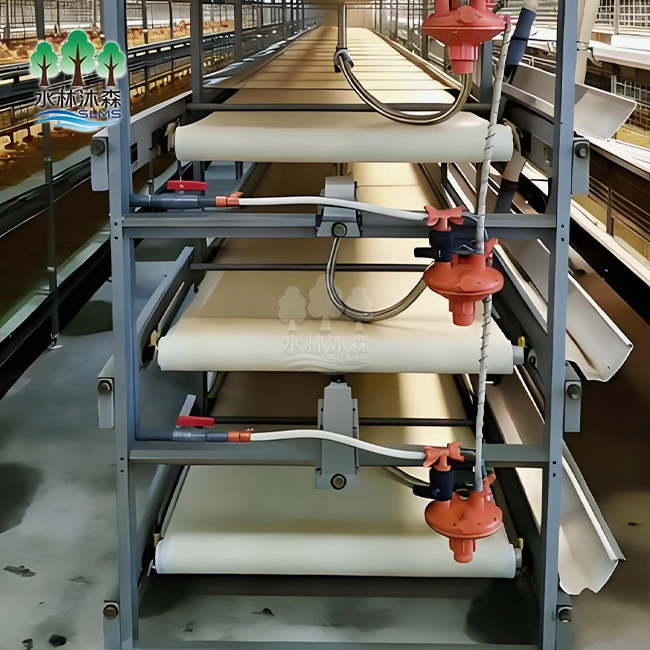
Successful broiler production in modern intensive farming operations depends heavily on maintaining optimal environmental conditions throughout the production cycle. When implementing a Four-tier Broiler Cage system, proper ventilation and climate control become critical success factors that directly impact bird health, growth performance, and overall profitability. These multi-level cage systems require sophisticated environmental management strategies that address the unique challenges of maintaining consistent airflow, temperature, and humidity across all tiers while maximizing space utilization and production efficiency.


Understanding Ventilation and Climate Control in Multi-Level Broiler Systems
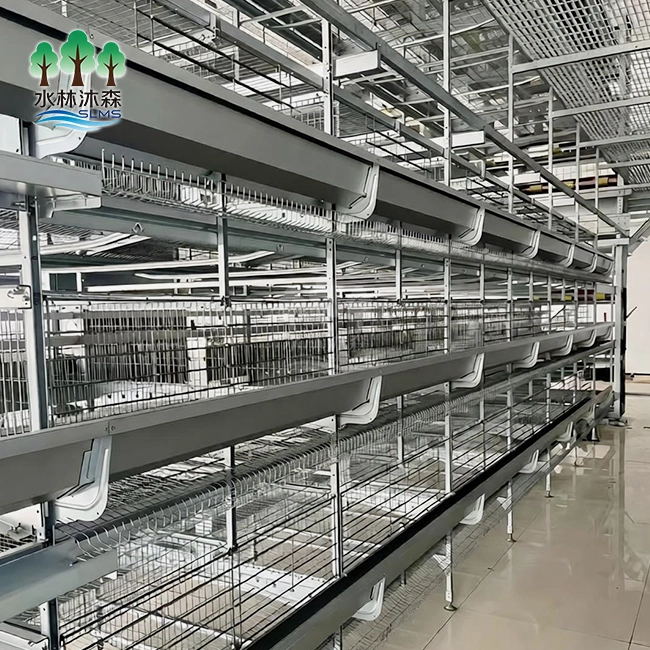
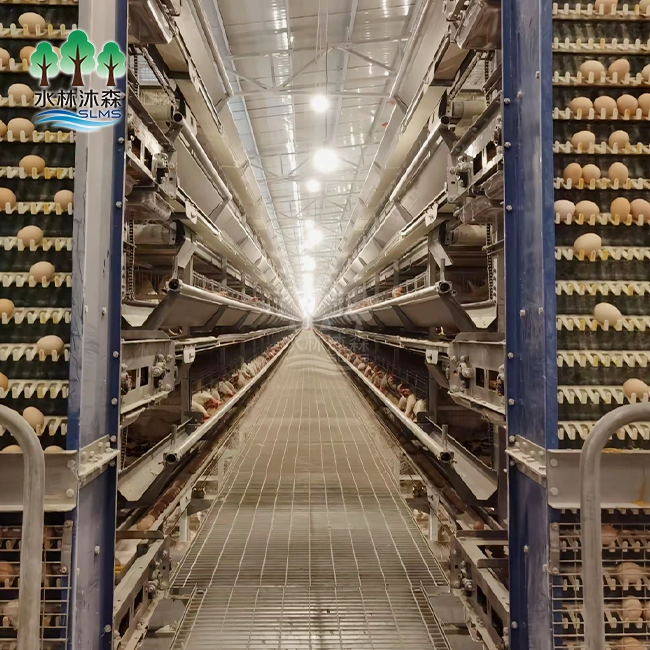
Multi-tier broiler cage systems are a big step forward in the technology used to house chickens. They allow farmers to keep bird density high while still meeting high standards for animal care. Because these systems are built vertically, they face environmental problems that are very different from those that come with regular floor-based living.
Key Components of Effective Ventilation Systems
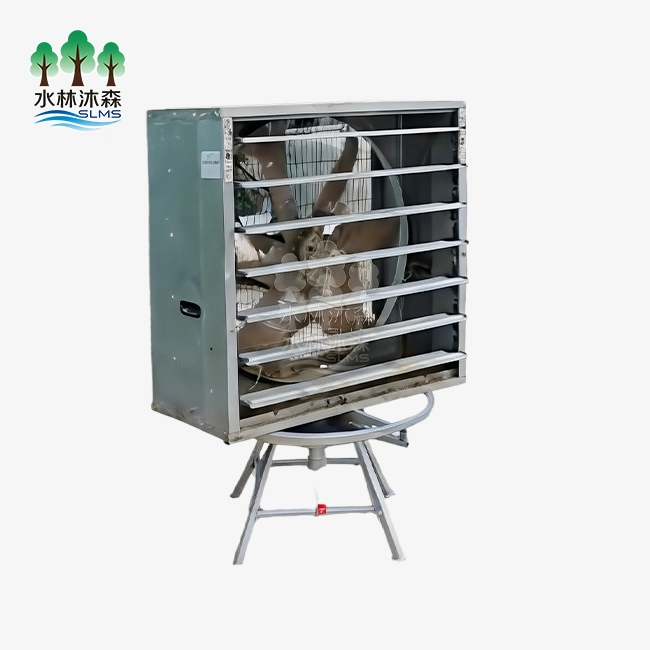
Modern air systems in multi-level buildings depend on a number of important parts working together. Exhaust fans create the negative pressure that is needed to bring in fresh air, and carefully placed inlets make sure that the air flows properly throughout the building. Temperature and humidity monitors in every level collect real-time data that is used by automatic control systems to change the air flow and temperature.
With variable-speed fans built in, workers can finetune the airflow based on the age of the birds, the weather outside, and their production goals. Smart controls can change the rate of ventilation automatically as the birds get bigger. This keeps the air quality high while using as little energy as possible.
Airflow Dynamics in Vertical Housing
Because multi-tier systems are vertical, breathing patterns need to be carefully thought out to avoid dead zones and make sure that the environment is the same everywhere. It is normal for hot air to rise, which can cause temperature differences between the top and lower levels if it is not managed properly. For ventilation to work well, cross-ventilation must be used to move air horizontally through each level before letting it out of the building.
The right air movement is important to keep birds from getting too hot and to keep drafts from making them uncomfortable. Researchers have found that air speeds between 200 and 500 feet per minute at bird level are the best for keeping birds cool without making the conditions stressful.
Best Practices for Ventilation System Design and Implementation
To make a ventilation system that works, you need to plan it out carefully and pay attention to certain design rules that take into account the needs of multi-level housing systems.
Strategic Inlet and Exhaust Placement
Where the air intake and exit points are placed has a big effect on how well the whole system works. Inlets should be placed so that air flows evenly through all floors of the cage, and exit fans should be placed so that airflow doesn't get cut off. The goal is to make a steady flow of air that hits every bird, no matter where its tier is located. Figuring out the right inlet-to-exhaust ratio makes sure that the whole building has the right standing pressure. Industry rules say that the standing pressure should stay between 0.08 and 0.12 inches of water column to get the best air flow without using too much energy.
Energy Efficiency Considerations
Modern chicken farms are under more and more pressure to use less energy while keeping production conditions at their best. Variable frequency drives on exhaust fans let you precisely control the rate of ventilation, which saves energy when it's not necessary for full ventilation, like when it's warm outside. Compared to regular motors, high-efficiency motor designs can cut electricity use by up to 30%. When these technologies are paired with smart control systems that change how the fans work based on real-time data about the surroundings, they save a lot of money on running costs over the life of the system.
Comparative Advantages Over Traditional Systems
When designed with good airflow, multi-tier cage systems are better than traditional floor-based living in a number of ways. Being able to change the flow of air at each level makes it easier to control the environment, which lowers the risk of heat stress and makes the birds more comfortable overall. Case studies from businesses show that multi-tier ventilation systems that are properly built can get feed conversion ratios that are 0.1 to 0.15 points better than floor systems and cut death rates by 1% to 2%. These changes directly lead to higher profits and more efficient output.
Climate Control Strategies for Optimal Cage Performance
Keeping the environment steady in systems with more than one level requires complex temperature control methods that go beyond simple ventilation. Because of how the Four-tier Broiler Cage is set up, it's important to keep the temperature, humidity, and air quality consistent at all levels.
Temperature Management Protocols
To control the temperature in vertical building systems effectively, you need to know how the heat moves from one level to the next. Due to heat rise, the upper levels naturally have higher temperatures than the lower ones. In cold weather, the lower levels may need extra warmth. Automated temperature control systems can handle these changes by changing the amounts of heat and cold that are sent to different areas.
Keeping the temperature in the ideal range of 65°F to 75°F during the growing time helps the animals convert feed more efficiently and reduces health problems linked to stress. Researchers have found that temperature differences of more than 5°F between tiers can make growth less regular and raise the death rate.
Humidity Control Integration
It's harder to keep the humidity levels right in multi-tier setups because there are more birds and the humidity levels change at different heights. Automated humidity control systems keep the relative humidity between 50 and 70%, which keeps breathing problems from happening and keeps bacteria from growing. When multiple levels of humidity sensors are combined, control systems can turn on extra air or dehumidification equipment when conditions are too high. Through precise control, the growth of microenvironments that could house pathogens or make birds unhappy is stopped.
Automation Benefits Over Manual Systems
Automated temperature control systems are better than manual systems at keeping the environment in check because they are more regular. Changes in the world are responded to quickly by computer-controlled systems, while making changes by hand could take hours. This ability to move quickly stops external stress, which can hurt growth rates and feed conversion.
Automated systems that can log data give managers useful information about production by letting them connect environmental factors with performance measures. With this information, methods for controlling the environment can always be made better, and production processes can always be made better.
Maintenance and Troubleshooting of Environmental Control Systems
For multi-tier ventilation and temperature control systems to work well in the long term, they need to be properly maintained and have good fixing methods in place.
Routine Maintenance Protocols
Regular repair plans keep systems running at their best and extend the life of equipment. Cleaning the air intakes once a week keeps dust from building up and blocking airflow, and monthly sensor tuning keeps environmental tracking systems accurate. Every month, the fan belt should be inspected and oiled to keep unexpected equipment breakdowns that could hurt the environment from happening. Testing the backup system makes sure that the extra equipment works right when the main systems need service or fail for some other reason.
Common Operational Issues and Solutions
Inlets that are blocked, fans that don't work, or wrong static pressure settings can all lead to poor airflow distribution. Keeping an eye on the speed of the air at bird level on a regular basis helps find these problems before they hurt production. Putting in place pressure tracking tools lets you know early on when problems are starting to happen.
Most of the time, birds overheat when the air system can't keep up with the cooling needs during hot weather or when they get close to market weight. Having surge capacity through extra fan stages or emergency air systems stops huge losses from happening in the worst situations. Building up moisture in multi-tier systems can make it easier for lung diseases to spread and lower the quality of the air. These problems can be avoided by having good drainage systems and enough air flow during times of high humidity.
Quality Equipment Selection
Choosing high-quality air parts has a big effect on how reliably they work in the long run. Premium galvanized steel construction doesn't rust in hard chicken house settings, and heavy-duty motors keep working well even in tough situations. Four-tier Broiler Cage systems made by reputable sources usually have materials that don't rust and are built to last a long time. It may cost more to buy high-quality parts at first, but they will pay for themselves in the long run by needing less upkeep and lasting longer.
Selecting the Right Multi-Level Cage and Climate Control Solution
To make smart choices about cage systems and weather control tools, you need to carefully consider a lot of things that affect both the initial investment and the long-term success of the business.
Critical Selection Criteria
Planning for capacity must take into account both the current production needs and the needs for growth that might come up in the future. Stocking densities of up to 50 kg/m² make the best use of available building space while still meeting standards for bird care. When choosing cage systems, ventilation design integration becomes very important. The system that is picked should allow for good airflow and give maintenance workers easy entry to the system. Automation compatibility makes sure that current weather control systems can be easily integrated.
System Comparison Analysis
When you look at how well they control the environment, multi-tier cage systems are much better than standard floor living. In contrast to floor systems, the Four-tier Broiler Cage design enables exact control of conditions at each level. Automated systems for feeding, watering, and removing waste from multi-tier cages cut down on the amount of work that needs to be done by up to 40% compared to regular living. Together, these savings on labor and the increased efficiency of feed conversion make the investment a strong economic case.
Supplier Evaluation Considerations
By choosing famous makers and suppliers, you can be sure that you will have access to good tools and helpful support services. Companies that have been around for a long time and have a lot of experience with poultry tools usually offer full installation services, expert support, and warranties.
Standard systems can be changed to fit specific business needs when they can be customized. Flexible makers can make solutions that fit specific needs, whether they need to work with current equipment or fit into buildings with odd shapes. On-site installation services and expert help lower the risks of implementation and make sure the system is set up correctly. Training programs for farm workers help get the most out of tools and spot problems before they hurt output.
Conclusion
To make air and climate control work well in multi-tier broiler operations, you need to pay close attention to system design, equipment choice, and regular maintenance schedules. To be successful, you need to know how to deal with the unique environmental problems that come up with vertical housing systems and put in place complete solutions that handle temperature, humidity, and air quality control on all levels. Investing in good tools and making sure it is set up correctly pays off in the form of higher bird happiness, more efficient production, and lower labor costs. Poultry farmers can get the best results from their multi-tier cage operations while keeping the right environmental conditions for good broiler production if they follow known best practices and work with experienced suppliers.
FAQ
What ventilation rate should I maintain in my broiler cage system?
Rates of ventilation should change based on the bird's age and the factors of its surroundings. Young chicks need 0.35 CFM per bird, but when it's hot, market-weight birds need up to 3.5 CFM per bird. These rates are changed automatically by modern control systems based on temperature and humidity monitors placed all over the building.
How do I prevent temperature variations between cage tiers?
Temperature variations can be kept to a minimum with smart fan placement and air flow design. You can finetune the airflow patterns by putting circulation fans between the levels and using exhaust fans with changeable speeds. At each level, temperature sensors give input that lets the heating and cooling systems make changes on their own.
What maintenance schedule should I follow for my ventilation system?
Air intakes are cleaned once a week, and sensors are calibrated once a month to make sure they work at their best. Every month, the fan belt should be checked, and the motor should be oiled and the electrical connections should be checked once a year to avoid problems that come up out of the blue. To make sure there are backups when they're needed, the backup system should be tested every three months.
How can automated climate control improve my production efficiency?
When the world changes, automated systems react in minutes, while manual adjustments take hours. Stressful situations that hurt feed conversion and growth rates are avoided by this quick reaction. Data logging also gives us information that we can use to make production processes better all the time.
What should I look for when selecting a cage system supplier?
Pick providers that have a lot of experience with poultry tools and offer full installation services as well as expert support. Important factors include using good building materials, being able to customize the design, and having a guarantee that you can rely on. The seller should offer ongoing help and make replacement parts easy to find.
Contact Shuilin Musen Aquaculture Equipment Co., Ltd. Today
Ready to transform your broiler operation with cutting-edge Four-tier Broiler Cage technology? The Shuilin Musen Aquaculture Equipment Co., Ltd. has eight years of experience creating and making high-quality houses for chickens. Our modern cage systems are made of galvanized steel, which doesn't rust, and have automated systems for feeding and watering the animals. They also work with climate control, which lowers running costs and increases production efficiency. As a top manufacturer of four-tier broiler cages, we offer full installation services, expert support, and customization choices that are made to fit your needs. Email us at wangshuaislms@gmail.com to talk about how our creative ideas can help your business make more money.
References
1. Aviagen. "Broiler Management Handbook: Environmental Control in Commercial Broiler Production." Aviagen Inc., 2019.
2. Cobb-Vantress. "Ventilation Management Guide: Optimizing Air Quality in Modern Broiler Facilities." Cobb-Vantress Inc., 2020.
3. Feddes, J.J.R., and M.J. Zuidhof. "Ventilation Design and Management for Optimal Broiler Performance." Canadian Journal of Animal Science, 2018.
4. Lacy, M.P., and L.R. Czarick. "Tunnel Ventilation of Broiler Houses: Design and Management Considerations." University of Georgia Cooperative Extension, 2021.
5. Ross Breeders. "Environmental Management in Broiler Production: Climate Control Best Practices." Aviagen Group, 2019.
6. Tabler, G.T., and J.D. Worley. "Multi-Tier Broiler Housing Systems: Ventilation and Climate Control Strategies." Mississippi State University Extension Service, 2020.
Learn about our latest products and discounts through SMS or email