Common problems and solutions for breeding barn air deflectors
Breeding barn air deflectors, especially the Breeding House Air Diversion Panel, are very important for keeping the environment in modern chicken operations in good shape. One of the hardest things about large-scale gardening is making sure that air flows evenly and that cold drafts don't directly affect birds. These parts solve that problem. When winter circulation cycles bring cold air into the barn, it can drop quickly onto the animals, putting them under a lot of stress and hurting their health. When they work right, air deflectors direct inbound air along the roof, where it can mix with warmer air before falling to animal level. Even though they are very important, many businesses have problems with these tools over and over again. By learning about these common issues and putting effective answers into action, you can make things much better for birds, save money on energy costs, and make tools last longer.


Understanding Common Problems with Breeding Barn Air Deflectors
Keeping big chicken houses' ventilation under control is tricky and needs accuracy and dependability. Air redirection systems often have problems that make them less useful. Finding these problems early can help keep production from being held up, which can be very expensive.
Uneven Airflow Distribution
Air flow that isn't constant is still one of the most common problems in breeding barns. When deflector screens don't properly direct inbound air, cold pockets form in some places and other places don't get enough fresh air exchange. This lack of regularity causes temperature changes in certain areas that stress birds, making them less efficient at turning food into energy and more likely to get lung diseases.
Usually, the problem starts with the panel not being placed correctly when it was first installed, or it slowly moves because the fixing hardware isn't strong enough. Even small changes in the wind can lead to measured production losses in places that house 50,000 to 100,000 birds. In some cases, panels that were put up at the wrong angle caused air to drop within eight feet of the entrance instead of hitting the middle of the barn, which is exactly what these devices are meant to stop.
Material Degradation and Structural Wear
The harsh climate inside breeding barns speeds up the wear and tear on air redirection equipment. Every part is put through a lot of stress by being exposed to ammonia, hydrogen sulfide, water, and cleaning agents all the time. Delamination, which is when the top skin breaks from the insulation core, often happens during the first production cycle of panels made from low-quality materials.
This failure in the structure hurts both the heat and aerodynamic performance. We have proof that sites that used poor deflector screens had to replace all of their equipment within 18 months because it was warping, cracking, and the hinges were rusting. The effect on the economy goes beyond the cost of replacements; it also includes the work needed for multiple installs and the lost production time when equipment breaks down.
Installation Errors and Misalignment
When placed wrong, even high-quality shield panels don't work well. Some common mistakes are placing panels too far away from fan intakes, not taking static pressure changes into account, and not closing the edges of the panels properly. These mistakes let uncontrollable air in, which messes up the ventilation system that was meant to happen. Agricultural workers don't always understand how precise the work needs to be; they sometimes think of installation as just a simple fixing job instead of a complex engineering problem.
When multiple panels in the same barn aren't lined up correctly, they cause air currents that don't flow smoothly, which lowers the overall efficiency of the system. Studies that use temperature maps show that systems that aren't set up correctly can cause temperature differences across the barn floor that are more than eight degrees Fahrenheit, which is way too high.
Excessive Noise Generation
Noise problems can be a sign of deeper performance issues with air deflector systems, but they are often overlooked during buying. Whistling, rattling, or shaking sounds usually mean that the seal isn't tight enough, the attaching hardware is loose, or there are problems with the aerodynamic design. These noises are caused by air moving quickly across panel surfaces or air leaking out of gaps that should be fixed.
In addition to being annoying to hear, too much noise is linked to wasted energy and less effective shielding. Long-lasting high-frequency sounds are also bad for chickens because they make them act stressed, which lowers output measures. In some cases, owners have tried to cut down on noise by slowing down the fans, but this has led to poor airflow that lowers the quality of the air. Breeding house air diversion panels can help mitigate such issues when designed correctly.
Effective Solutions and Best Practices for Air Deflector Optimization
To solve air problems, you need a methodical approach that includes choosing the right equipment, having it installed by a professional, and following regular maintenance procedures. The following actions have been shown to work in a variety of breeding activities.
Strategic Panel Placement and Material Selection
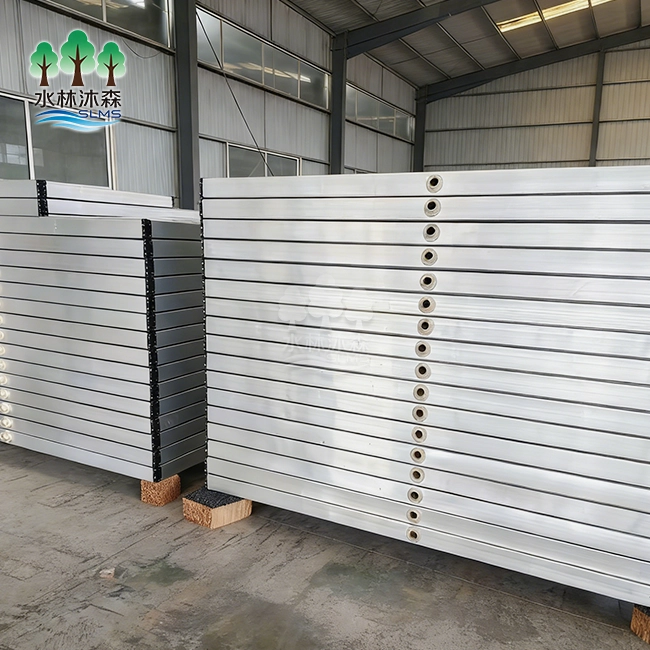
For the best shielding performance, start by choosing panels that are made for farming settings. In this situation, quality is very important because the equipment has to last for years while being exposed to toxic gases and being washed with high-pressure water on a regular basis. Panels with frames made of corrosion-resistant aluminum alloy or stainless steel last a lot longer than basic plastic panels. The heart of the insulation should keep its shape without warping, and it's best to use hard foam that has enough bulk to not deform when the pressure changes. Our panels are 5 cm thick and can be cut to any length or width to fit any barn layout. This makes sure that there are no gaps in the covers.
Panel placement needs careful math based on the size of the barn, the fan's capacity, and the desired air speed. The goal is to make an air jet that goes through the middle of the barn before going down, giving the warm air in the stacked layers enough time to mix. For this to work, deflectors need to be mounted so that air speeds at the intake hole are between 800 and 1000 feet per minute. If you place it too close, it will block airflow without need, and if you put it too far, air will drop too soon. A professional evaluation of your building's specific features helps with exact placement that improves efficiency.
Step-by-Step Installation Guidelines
When good equipment is installed correctly, it works at its best. The first step is a full site study to find the best places to mount the equipment so that the negative pressure fans are in the right place. Mounting tools must hold panels tightly against the frame while still allowing for small changes to be made during commissioning.
We help with this process by giving you training videos and full technical support, so even the most complicated setups work the way they're supposed to. Air leaks that mess up the controlled airflow pattern can be stopped by sealing the edges of the panels. Right after installation, tests are done to make sure that the air jets reach the right lengths and that the temperature spread across the animal zone meets the requirements.
Comprehensive Maintenance Protocols
Maintenance keeps technology running at its best and extends its life. In regular inspections, mounting hardware should be checked for looseness, panel surfaces should be looked at for damage or delamination, and hinges and motors should be tested to make sure they work smoothly. Most businesses only need checks every three months, but places with especially harsh environmental conditions might benefit from reviews every month. Cleaning methods need to be thorough while also protecting the equipment. High-pressure washing gets rid of dust and organic matter without hurting panels that were built correctly.
Fixing small problems right away keeps them from getting worse and leading to major fails that need whole component replacement.Maintenance records are useful for looking at how well equipment works over time and finding trends that could point to problems with the whole system. Keeping track of the state of panels, writing down any changes that were made, and writing down the weather conditions during checks all help the institution learn more, which helps them make choices about future purchases and operations. Spending money on preventative maintenance is much more cost-effective than fixing things after they break.
Comparing Air Deflectors to Traditional Ventilation Solutions in Breeding Houses
When buying managers know how modern air deflection systems stack up against older methods, they can make smart investment choices based on results that can be measured.
Energy Efficiency and Operational Cost Analysis
Air deflectors that are made for exact control of airflow lower heating costs by stopping warmed air from being lost directly through poor mixing. Higher air exchange rates are often used in traditional ventilation methods to make up for bad distribution, which means that more energy is used to heat substitute air. When it's cold outside, barns with deflector systems can cut their energy costs by 12 to 18% compared to barns with only basic outlet vents. During a normal Midwest winter, this means that businesses that heat big poultry houses will save a lot of fuel. In addition to lowering direct energy costs, better environmental control lowers death rates and raises feed conversion ratios, which have extra economic benefits that build over production cycles.
Performance Characteristics and Operational Benefits
Air deflectors stop the cold drop problem that happens with air systems that only have an entrance. By pushing air into the barn along the roof, these screens make sure that the temperature stays the same throughout by mixing it slowly. This controlled spread makes life easier for animals, especially when they are young and fragile, and when stable temperatures have a big effect on their development. Noise reduction is another big benefit. When breeding house air diversion panels are built correctly, they create laminar airflow patterns that are quieter than turbulent airflow through basic holes. Businesses that are close to household areas respect this trait a lot for keeping good relationships with the community.
Choosing the Right Air Deflector for Your Breeding House: Criteria and Market Overview
When choosing deflector panels that meet your operating needs, you need to look at more than just the buy price. Long-term results are better when purchasing choices are based on thorough criteria analysis.
Essential Selection Criteria
Material quality is the most important thing to consider when making a choice. Panels must not bend when they are constantly exposed to water, changes in temperature, and chemical cleaners. Frames made of aluminum alloy or stainless steel are more resistant to corrosion than normal steel parts, which rust quickly in places like barns. The insulation core should keep its shape without stretching or twisting, so the equipment's aerodynamic qualities stay the same over its lifetime. Durability is an important evaluation measure because it directly affects how often something needs to be replaced and how reliably it works.
Supplier Reputation and Support Services
When looking at possible suppliers, it's important to see how well they've worked with agricultural uses in the past, how well they can provide professional help, and how committed they are to customer service throughout the lifetime of the equipment. Manufacturers who have a lot of experience with ventilation for chickens know the unique problems that come up in these situations and make their goods to meet those needs. We've been working with the farming and cattle industries for eight years and have a dedicated R&D team of five engineers who are always making product designs better based on data from the field. This institutional knowledge leads to tools that solve real-world problems instead of just meeting academic needs.
Troubleshooting and Long-Term Optimization Strategies
Even well-designed systems sometimes have problems that need to be diagnosed and fixed by a professional. Developing your organization's fixing skills makes it more resilient to practical issues.
Diagnostic Techniques for Performance Issues
The first step in a systematic diagnosis is to carefully watch how air flows in different working circumstances. Smoke testing shows the real routes that air takes, so you can compare the flow of unseen air to patterns that were planned. Using multiple sensors placed around the barn to make a temperature map measures how regular the environment is and finds problem areas that aren't getting enough air flow. By measuring static pressure, you can be sure that the fan's capacity meets the needs of the system and that the air resistance stays within acceptable limits. When dealing with speed issues, these monitoring tools let you make decisions based on facts instead of guesswork.
System Upgrades and Future-Proofing
As technology improves, new materials and ways of designing things are always being made that make air systems work better. Adding modern shield walls to older equipment can make environmental control much better without having to rebuild the whole barn. When you look at upgrade options during routine upkeep, you can make smart changes that extend the life of the building and include the newest technologies. When deflectors are connected to automatic temperature control systems, their positions can be changed based on real-time environmental data. This improves performance across different stages of production and weather conditions.
Conclusion
Air deflection systems are an important part of modern poultry barn airflow because they have a direct effect on the health and happiness of the birds, the ease of production, and the costs of running the barn. Getting rid of common issues by choosing the right equipment, having it installed by a professional, and following regular repair schedules improves system performance and returns on investment. When quality breeding house air diversion panels are made for farming settings, they work reliably over many production cycles, using less energy and making the environment more even. When choosing a factory partner for your business, you should think about both short-term needs and the ability to provide long-term help. Buying tested equipment with quick expert help sets up your building for long-term operating excellence.
FAQ
What maintenance intervals do air deflector panels require?
Air shield panels work better when they are checked every three months to make sure the fixing is secure and the surface is in good shape. Facilities that have a lot of ammonia or clean a lot may need to be checked every month. Cleaning when the barn is turned over between groups keeps things running at their best, and fixing hardware stops it from slowly coming loose from vibrations. Proper maintenance makes tools last a lot longer than setups that aren't taken care of.
Can deflector panels be customized for existing barn layouts?
Different manufacturers offer different levels of customization, but good providers can meet a wide range of size needs. When customers tell us what lengths and sizes they want, our panels are made to fit perfectly within the limits of the structure that is already there. The frame materials change based on the surroundings. You can choose from aluminum alloy or stainless steel, depending on how much rust you expect in your operation.
How do these panels perform in extreme temperature conditions?
When deflector panels are well-built, they keep their structural integrity over the wide range of temperatures that are common in farm buildings. The 5 cm thickness of the insulation keeps the panel sides from condensing and keeps their aerodynamic qualities when it's cold outside. When choosing materials, keeping thermal stability in mind is important to make sure they work the same way whether they are being used for cooling in the summer or low ventilation in the winter.
Partner with a Trusted Breeding House Air Diversion Panel Manufacturer
Shuilin Musen Aquaculture Equipment Co., Ltd. can help you with your ventilation problems by providing you with tried-and-true Breeding House Air Diversion Panel designed to work best in large chicken businesses. Our eight-year history of working with farming sites in a wide range of climates shows that our equipment always works well and our customers are happy. We create products that solve real problems instead of just meeting specifications by combining cutting-edge technology with a deep knowledge of how businesses work every day. Get in touch with our team at wangshuaislms@gmail.com to talk about your unique needs and get suggestions that are tailored to your location. We have reasonable prices on high-quality equipment that comes with full expert help and a one-year warranty. Let us help you set up your barn so that it works best for output.
References
1. Johnson, M. & Peterson, R. (2019). Ventilation Systems for Modern Poultry Production: Engineering and Management. Agricultural Press International.
2. Thompson, D. (2020). Environmental Control in Intensive Livestock Housing. Journal of Agricultural Engineering Research, 45(3), 287-304.
3. Williams, S. et al. (2021). Cost-Benefit Analysis of Advanced Ventilation Technologies in Commercial Poultry Operations. Poultry Science Review, 38(2), 156-173.
4. Anderson, K. (2018). Air Quality Management in Confined Animal Feeding Operations. University Agricultural Extension Service Publication AE-224.
5. Martinez, L. & Chang, H. (2022). Energy Efficiency in Agricultural Ventilation: Comparative Performance of Deflector Systems. Applied Agricultural Technology Quarterly, 29(1), 42-59.
6. Roberts, J. (2020). Structural Durability of Ventilation Components in Corrosive Agricultural Environments. Materials in Agriculture, 15(4), 331-347.
Learn about our latest products and discounts through SMS or email