How to choose the right breeding chicken transport cage frame for heavy loads?
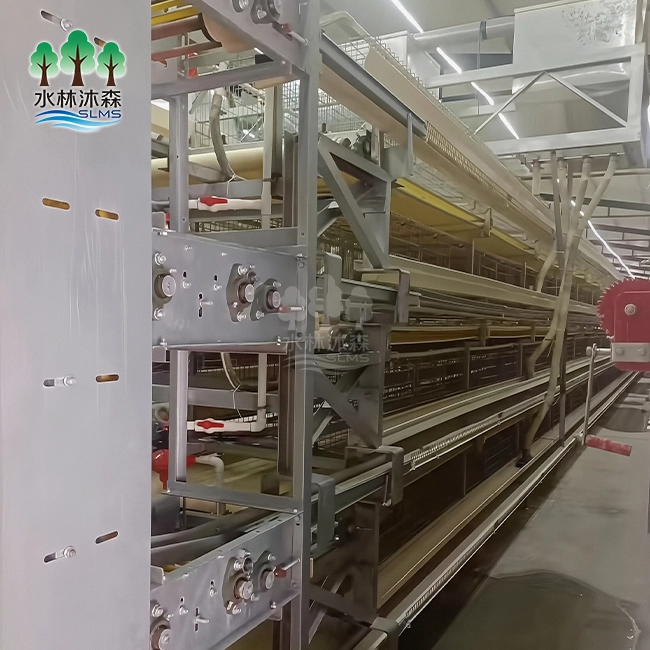
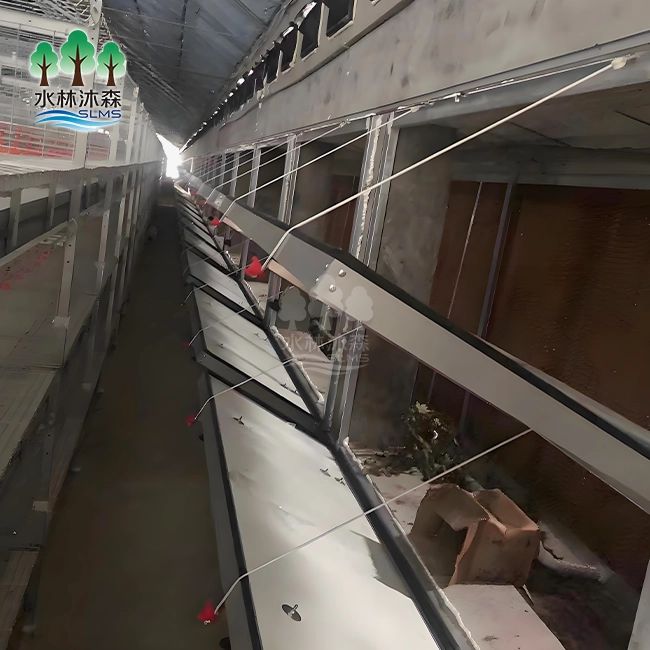
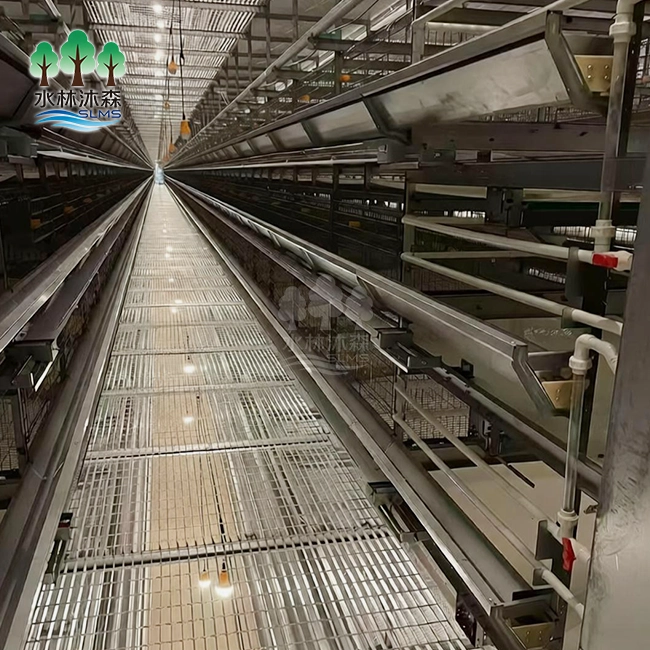
To choose the best Breeding Chicken Transport Cage Frame for heavy loads, you need to put structural integrity, material quality, and operational efficiency at the top of your list. Your choice should strike a mix between load-bearing ability and ventilation design to cut down on transportation deaths while making the best use of room. A well-engineered transport frame protects your valuable breeding stock from physical trauma during inter-facility moves, supports biosecurity measures, and lowers long-term replacement costs. Frames made of hot-dip galvanized steel with multi-layered pull-out designs are durable and flexible enough for busy poultry operations, like moving 5,000 broilers or managing daily group sorting tasks across multiple facilities.


Understanding the Core Requirements of Breeding Chicken Transport Cage Frames for Heavy Loads
Structural Integrity and Load-Bearing Fundamentals
The structure backbone of your cage system determines whether you succeed or fail when moving breeding chickens in high-density areas. When multiple levels are stacked and loaded and unloaded, heavy-load Breeding Chicken Transport Cage Frames must not bend under the weight of all of them. The risks of poor structure support include fallen tiers leading to suffocation, crushed birds resulting in lost genetic value, and operating delays that disrupt your production schedule. During peak loading times, we've seen farms lose up to 15% of the animals they were transporting because the frames broke.
Professional-grade frames have corner joints that are stronger and vertical struts that are thicker so they can handle constant stress. Each tier should be able to hold 50 to 75 kg of live weight, which means that each box should be able to hold 12 to 16 broilers. This capacity fits with USDA animal density rules while avoiding overloading risks. The choice of material is very important here. Hot-dip galvanized steel is more rigid than aluminum alloys and still resists rust, which is important for frequent washing processes.
Ventilation Architecture and Animal Welfare Integration
Adequate airflow planning directly impacts your Dead-on-Arrival rates and breeding stock health. Transport frames must have strategic ventilation lattices that make vertical airways between stacked tiers. This keeps heat from building up during transport times longer than 8 hours. When you stack cages in the middle, the core temperature rises, which can kill animals from heat stress and ruin the genetics of your breeding program.
The distance between cage levels in the frame structure should be at least 8–10 cm to allow for air flow. This spacing lets air flow continuously without affecting the stability of the stacking when the truck shakes. Frames with perforated side panels let more air flow from side to side, and the galvanized coating is resistant to corrosion and can withstand high-pressure sterilization tunnels up to 90°C, which is important for getting rid of Salmonella and Avian Influenza between transport cycles.
Material Science: Balancing Durability With Operational Weight
The type of materials used affects both how long your transport system lasts and how easy it is to move. Hot-dip galvanized steel is still the standard for heavy-load uses. It can be used every day and lasts for 8 to 10 years. The galvanization process forms a zinc coating that actively protects underlying steel from moisture and ammonia exposure common in chicken settings. Using modified high-density polyethylene (HDPE) cage modules with steel frames makes them resistant to impact while still meeting standards for cleanliness.
Using different materials, like aluminum alloys, cuts the total system weight by about 30%, which saves fuel when traveling long distances. However, aluminum's lower tensile strength limits maximum tier stacking capacity, making it ideal primarily for regional moves rather than national breeding stock removal. Composite materials with fiberglass-reinforced plastics are becoming more popular as new ways to solve problems that need to be resistant to high temperatures, but their higher initial costs mean that you need to carefully calculate their return on investment (ROI).
Essential Factors to Consider When Choosing a Breeding Chicken Transport Cage Frame
Dimensional Specifications and Regulatory Compliance
Legal compliance and practical process integration are both based on size and accuracy of measurements. Our standard 2440 cm × 1340 cm × 116 cm frame measurements support forklift handling while maximizing truck bed usage. These rules make sure that each bird has enough room to avoid getting hurt during shipping because of stress. This is especially important when moving valuable breeding stock, since replacing a single bird can cost more than $50.
Regulatory guidelines from the USDA and European Animal travel Regulations require specific room allowances based on bird weight and travel length. Your choice of Breeding Chicken Transport Cage Frames must meet these standards to escape fines and keep getting into the market. The multi-layered pull-out design we implement allows fast inspection access, allowing regulatory officials to verify animal welfare conditions without full disassembly during stop inspections.
Corrosion Resistance and Environmental Durability
Equipment used for transporting poultry is exposed to harsh acidic elements such as ammonia smoke, water, and organic acids from bird waste. Frames that don't have the right corrosion protection break down quickly. Within 6 to 12 months of operation, rust starts to show. Damage like this weakens the structure and makes rough surfaces that break wings and abrasions on the skin.
When it comes to security, hot-dip galvanization is better than powder coating or paint finishes. The zinc layer corrodes before the steel underneath it, which greatly increases the useful life. If you clean steel frames regularly with pH-neutral soaps that don't corrode, they will keep their structure for almost a decade. We have case studies that show galvanized transport frames that are properly kept can last for 500+ lifting cycles, while unpainted steel frames break after only 150 cycles.
Mobility Features and Operational Efficiency Enhancement
How well you handle things has a direct effect on how much work costs and how stressed out the birds are during loading. Frames with built-in forklift pockets let a single person move whole stacked columns, which cuts handling time by 40% compared to moving each crate by hand. This ability to quickly deploy is very useful when facilities need to be evacuated in an emergency or when breeding stock needs to be moved between farms quickly.
Advanced frame designs have a pull-out cage system that lets workers take out individual tiers without taking the whole column apart. This feature makes it easier to sort groups and check for health problems. It lets medical staff separate certain bird groups to check on them without disturbing birds on higher levels. When moving things around inside a building, models with wheels give you more options, but models with a solid base are more stable when stacking and transporting over the highway.
Comparing Different Types and Models of Breeding Chicken Transport Cage Frames for Heavy Loads
Specialized Breeding Frames Versus Standard Commercial Cages
Standard industrial broiler cages and Breeding Chicken Transport Cage Frames are very different in how they are built and how they work. Individual bird safety and stress reduction are top priorities for specialized breeding frames, which have bigger drawer sections and stronger door mechanisms to keep birds' heads and wings from getting stuck. In order to make processing more efficient, standard industrial cages keep the number of birds as high as possible, often at the expense of individual safety measures.
To handle the higher value per bird and longer travel times that are common in breeding stock logistics, the structural chassis of breeding-specific frames is made of thicker gauge steel—usually 3.0 mm versus 2.0 mm in commercial versions. This better construction stops the frame from bending while stacking, which can cause the drawer slides to become misaligned and pose trapping risks. Breeding frames also have smooth inside surfaces without sharp edges. This keeps feathers and skin from getting damaged, which lowers the value of the bird as a display.
Lightweight Versus Heavy-Duty Frame Trade-Offs
Because they are lighter, frames made of metal or composite materials can save 8–12% on fuel costs for long-distance travel. This benefit is especially useful for businesses that do daily moves between states, as it could save them thousands of dollars a year in fuel costs. But lightweight materials can't hold as much at once, so they can only be safely stacked on four to five levels. Heavy-duty galvanized steel frames, on the other hand, can hold up to seven or eight levels.
Heavy-duty stainless steel frames work best in high-throughput slaughterhouses where they are moved around by automatic dumpers and rough handling. The higher stiffness provides the needed dimensional stability for robotic destacking arm alignment, which avoids costly equipment jams and production delays. We've seen that heavy-duty frames keep their structural limits within ±2 mm even after 1,000+ loading cycles, while lightweight frames lose more than 5 mm of their size after just 300 cycles, which makes it impossible for automatic systems to work with them.
Advanced Feature Integration and Customization Options
Modern designs for transport frames include unique features that solve certain operating problems. Insulated frame types have two walls and thermal shields that keep the inside temperature stable during transport in extreme weather. This feature is very important for keeping breeding stock safe during shipping in the summer in southern countries where temperatures are above 38°C, which keeps a lot of animals from dying from heat stress.
Standardized drawer sizes and alignment lines make it possible for customization features to work with automatic catching systems. Our engineering team often works with big businesses to create custom solutions, such as tier spacing that can be changed to fit different bird sizes, integrated lighting systems that make loading at night easier, and RFID tracking mounts for managing the supply chain. These changes make operations more flexible while keeping the core structure stability needed for heavy-load uses.
Procurement Guide: How to Source the Best Breeding Chicken Transport Cage Frames?
Supplier Evaluation and Certification Verification
To find trustworthy sources, you need to look at more than just marketing claims for manufacturing qualifications. We put a lot of weight on providers who keep their ISO 9001 quality management certification and show proof that they follow international standards for animal care during transport. Ask for material testing papers for galvanized coatings to make sure the zinc layer thickness meets the requirements of ASTM A123 (at least 85 microns for farming uses outside).
Warranty policies show how confident the company is in the longevity of the product. Our basic service includes a one-year warranty that covers flaws in the structure and coating, as well as quick technical support that includes installation guides and help with fixing problems from afar. A clear guarantee that covers early rust, weld failures, and dimensional deformation under estimated load conditions shows that the company is serious about the quality of its products. Be wary of sellers who offer vague guarantees that don't spell out coverage limits or how to file a claim.
Cost Analysis Beyond Purchase Price
To do good buying, you need to look at the total cost of ownership instead of just the purchase price. Customization fees for changing the size or finishes, shipping costs for Breeding Chicken Transport Cage Frames to other countries (they usually come as knocked-down kits, which cut down on freight volume by 60%), and possible savings for buying more than 50 units in bulk should all be taken into account.
Installing and finishing services are very valuable because they make sure that everything is put together correctly and that people know how to use it. We offer full technical support, including clear notes on how to put things together, video tutorials, and, if needed, on-site installation help for large-scale deployments. When compared to installing something without help, these services cut the time it takes to get it up and running by 50%. This speeds up your return on investment. When you compare goods, you should figure out how much long-term maintenance will cost, how easy it is to get replacement parts, and how long each part is supposed to last.
After-Sales Service Infrastructure and Parts Availability
The ability to keep operations going when equipment breaks down depends on the post-purchase assistance system. Check how quick a seller is by looking at the quality of pre-purchase communications and written customer reviews. We always have new parts like drawer slides, locking systems, and structural braces in stock. Standard parts usually ship in less than 7 business days.
Having easy access to technical help is very important during working problems. Our team offers international help via email at wangshuaislms@gmail.com. We reply to questions within 24 hours and give useful troubleshooting advice. Having access to engineering experts can help you solve difficult problems like frame alignment issues or the need for custom modifications. Suppliers that offer lease programs or trade-in options for older equipment give businesses more financial freedom. This is especially helpful for businesses that need to increase production capacity or update old infrastructure.
Maintenance Tips and Safety Standards to Maximize the Lifespan of Heavy Load Chicken Transport Frames
Preventive Maintenance Protocols and Inspection Schedules
Setting up strict repair schedules increases the Breeding Chicken Transport Cage Frame's useful life and stops catastrophic breakdowns during operations. Do eye checks once a week to see if structural welds are cracking and to make sure the drawer slides are aligned and the closing mechanism works. Deep cleaning once a month with pH-neutral detergents gets rid of built-up organic matter that speeds up rust, especially in cracks around weld joints and fastener surfaces.
Every three months, structural assessments should use diagonal readings to check the frame's squareness and look for deformation caused by repeated forklift hits or overloading. Frames that have dimensional drift greater than 1% of their original specs need to be fixed right away or taken out of business. Write down everything you find during inspections and upkeep tasks. This will help you figure out when to replace parts and make future purchasing choices. We have proof that companies that use organized maintenance plans get 30% more use out of their tools than those that use reactive maintenance methods.
Regulatory Compliance and Animal Welfare Standards
Following the rules for transportation saves both the animals and your business from potential trouble. According to USDA animal transport standards, birds must be ventilated at certain rates, transported for no more than a certain amount of time without breaks, and given a minimum amount of room based on their weight. European rules include standards for trip records, driving training certificates, and the ability for vehicles to control the temperature inside.
The frames you choose must be compatible with these changing standards. Features like built-in thermometer mounts let you keep an eye on the temperature, and drawer marking systems make it easy to keep accurate records of your trip. Third-party certifiers will do regular compliance checks to make sure that animal welfare standards are being followed. This will improve your image with customers further down the line who are becoming more and more demanding of ethical sourcing verification. Through changes to tools and bettering operating procedures, we've helped many businesses get certified under the Global Animal Partnership and RSPCA Assured programs.
Troubleshooting Common Operational Issues
The most common operating gripe is drawer binding during extraction. This is usually caused by frame distortion from uneven loads or garbage building up in slide channels. Fix problems with binding by making sure that the load is spread out evenly across the rings and using compressed air cleaning after each use to get rid of feathers and other garbage that got stuck. Binding that won't go away could mean that the frame's structure is damaged and needs to be looked at by a professional.
When galvanized protection fails to stop corrosion from starting too soon, it's usually because the zinc covering was damaged while being handled or when it was exposed to very acidic cleaning chemicals. To stop rust from spreading, quickly fix coating damage with cold-galvanizing spray chemicals. When locking mechanisms break, it's usually because the springs get worn out after a while of use. To avoid this, change the locking hardware every 24 months instead of waiting until it breaks in the field during important loading operations.
Conclusion
Choosing the right Breeding Chicken Transport Cage Frame for heavy loads strikes a mix between protecting animal health, making the structure last, and how well it works. Hot-dip galvanized steel frames with multi-layered designs and better ventilation layout give heavy chicken operations the dependability they need. When making your choice, you should give the most weight to load-bearing ability, physical specs that meet government standards, and corrosion resistance that has been shown through recorded field performance. Working with manufacturers that offer full technical support, clear warranty coverage, and the ability to customize makes sure that your transport infrastructure can adapt to changing operational needs and protects your valuable breeding stock investment for as long as it is useful.
FAQ
Q1: What load capacity should I expect from professional breeding chicken transport frames?
A: Professional Breeding Chicken Transport Cage Frames should be able to hold 50 to 75 kg per tier, which means that each box can hold 12 to 16 broilers that weigh about 2.5 kg each. This capacity meets the regulatory density standards and keeps the structure from becoming overloaded. If you take good care of hot-dip galvanizing steel frames, they can hold this amount of weight for more than 500 lifting cycles. Lighter options may lose some of their weight after 300 cycles because the materials get worn down.
Q2: How does frame design influence transportation mortality rates?
A: Strategic ventilation lattice designs that create vertical air passageways lower core temperature buildup, which lowers the number of deaths before they even arrive by 15 to 20 percent compared to stacking methods that aren't designed. Leaving enough space between the tiers (at least 8–10 cm) allows air to flow during journeys that last longer than 8 hours. When the inside of an airplane wing doesn't have any sharp edges or surfaces, they don't break or get bruised, which can cause stress and death during transport.
Q3: Can I replace damaged components without replacing the entire frame?
A: Frames of good quality are put together in modules with fixed connections instead of permanent welds. This lets you repair broken drawers, slides, or vertical struts one at a time. This ability to be fixed increases the economic lifespan and lowers the long-term costs of ownership. Manufacturers should make new parts easy to find and ship them in less than seven business days for common parts.
Q4: What cleaning protocols are safe for galvanized transport frames?
A: Strong acids and alkalis can damage protective zinc coats, so use pH-neutral cleaners instead. Hot-dip galvanized frames can handle high-pressure wash tunnels and steam cleaning up to 90°C, which is necessary for quarantine measures to get rid of Salmonella and Avian Influenza pathogens between shipping rounds. Do not use rough cleaning tools on metal surfaces because they can scratch them and create places where rust can start.
Ready to Upgrade Your Poultry Transport Infrastructure?
Shuilin Musen Aquaculture Equipment Co., Ltd. has eight years of experience in designing and building farm machinery. They can help you find transportation options that can handle the tough needs of large-scale poultry businesses. Our Breeding Chicken Transport Cage Frame systems are made with hot-dip galvanized steel and multi-layered pull-out designs that are especially made for heavy-load situations in busy farming settings. We back up your business with video lessons on how to install our products, detailed technical help, and a warranty that protects your investment for one year. Our ability to customize means that we can precisely adapt to the specific process needs of your building. Email our technical team at wangshuaislms@gmail.com to talk about your specific transport problems with a Breeding Chicken Transport Cage Frame maker that wants to lower your costs and improve the safety of your flock through proven engineering solutions.
References
1. American Society of Agricultural and Biological Engineers. (2019). Standards for Poultry Transport Equipment Design and Performance Testing. ASABE Standards Publication S452.3.
2. European Food Safety Authority. (2021). Welfare of Broilers During Transport: Scientific Opinion of the Panel on Animal Health and Welfare. EFSA Journal 19(4).
3. Mitchell, M.A. & Kettlewell, P.J. (2018). Engineering and Design of Road Transport Vehicles for Livestock and Poultry. Agricultural Engineering International: CIGR Journal Special Issue.
4. National Chicken Council. (2022). Animal Welfare Guidelines and Audit Checklist for Broiler Chickens. Transportation Section 7.1-7.8.
5. Weeks, C.A., Brown, S.N., Richards, G.J., Wilkins, L.J., & Knowles, T.G. (2020). Levels of Mortality in Broiler Chickens During Transport and Factors Associated with Increased Mortality. British Poultry Science 61(5): 612-621.
6. Zhang, L., Li, B., Zhao, R., & Liu, H. (2023). Structural Analysis and Optimization of Multi-Tier Poultry Transport Cage Systems Under Dynamic Loading Conditions. Journal of Agricultural Mechanization Research 45(2): 88-95.
Learn about our latest products and discounts through SMS or email