Top-rated manufacturers of three-tier broiler cages for poultry farming - Shuilin Musen
Picking the right housing system for your big broiler business has a direct effect on your bottom line. Weifang Shuilin Musen Aquaculture Equipment Co., Ltd. is a leader in the production of cutting-edge Three-tier Broiler Cages that will change the way intense chicken farming is done. Our vertical cage systems solve some of the most important problems that modern farms face, like not having enough room, keeping diseases under control, and paying workers enough. We've been working with commercial farms across the US for eight years and have helped them increase their stocking capacity by 300% while cutting labor costs by over 40%. This makes us a reliable partner for procurement managers looking for long-lasting, automated solutions for broiler production.


Understanding Three-Tier Broiler Cages: Design, Benefits, and Applications
What Makes Vertical Broiler Housing Systems Unique?
The Three-tier Broiler Cage is a special kind of vertical living structure that was made to raise meat chickens from day-old chicks to market weight. Traditional deep-litter floor systems need a lot of room on the ground. This multi-level equipment, on the other hand, puts three levels on top of each other, which lets farms raise a lot more birds in the same amount of space. This way of thinking about design solves one of the biggest problems in the chicken industry: how to get the most production out of the space while keeping costs low.
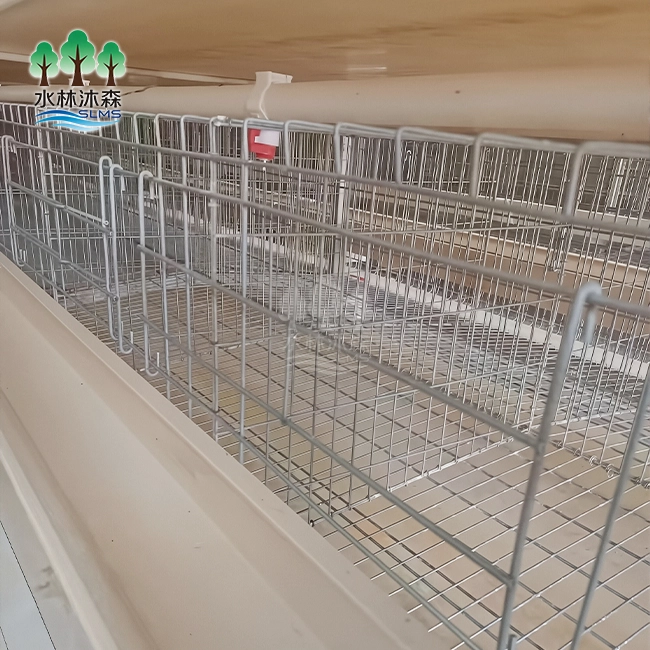
The flooring in our systems is strengthened and made from high-quality Q235 international bridge steel that has been hot-dip galvanized using the latest technology. The zinc layer is 275g/m² thick, which makes it very resistant to the harsh ammonia-filled conditions that are common in broiler houses. This choice of materials makes sure that the equipment will last for 15 to 20 years, even if it is used continuously and hard. The bottom mesh has a special, bendable design that protects the breast areas of broilers from folliculitis and breast boils that can happen with hard floors. This directly improves the quality and marketability of the meat.
Core Advantages for Intensive Poultry Operations
Modern broiler cage systems make a difference that can be seen in a number of operating measures. The biggest gain right away is that farms can stock at densities of 50 kg/㎡, compared to 20 to 25 kg/㎡ with traditional floor rearing. This means that 300–400% more birds can live in every square meter of building space, which greatly lowers the cost of infrastructure for each bird.
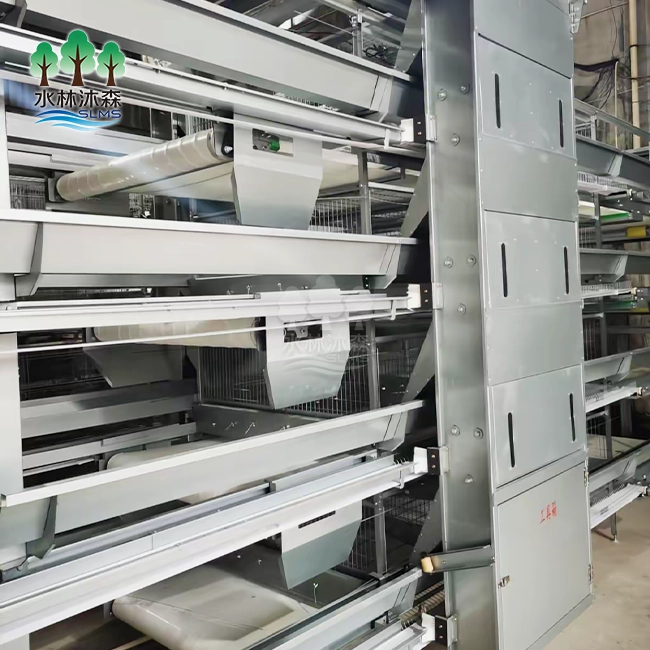
The control of diseases is greatly improved by physically separating birds from waste. Integrated PP (Polypropylene) manure removal belts move between levels, constantly getting rid of waste and lowering the amount of ammonia that gets into the air, which is bad for your health. This split method works well to keep coccidiosis and other diseases spread through feces and mouths from spreading in floor-raised flocks, which lowers the cost of medicine and the number of deaths.
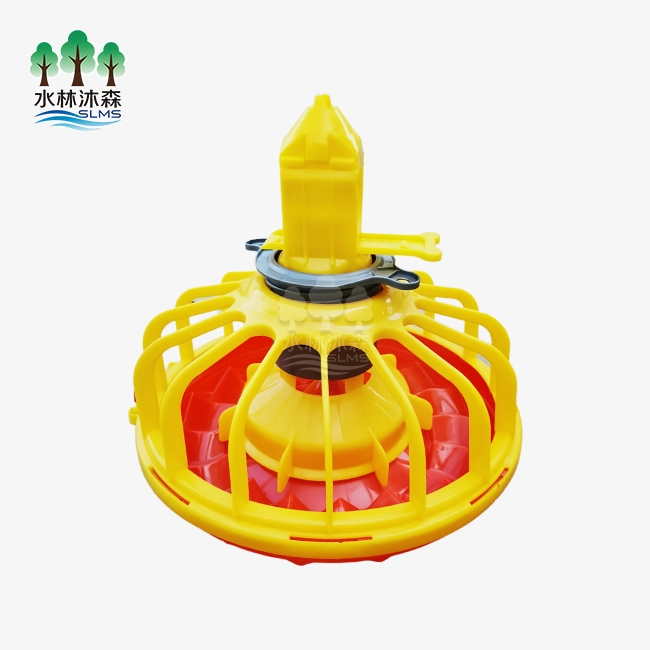
The feed conversion rates get better because birds that are kept in cages use less energy to move around and still have easy access to food. Our automatic feeding systems give them exactly measured meals all day long, and 360-degree trigger nipple drinks make sure they always have water. Many clients say that broilers hit market weight 3–5 days earlier than floor-raised counterparts because of these traits, which directly help them gain weight faster.
Practical Applications Across Farm Scales
Our tiered cage systems can be used in a wide range of settings, from small family farms with 5,000 birds to large industrial farms with over 100,000 broilers. The modular design lets the business gradually add more space as it grows. The normal measurements are about 1950mm to 2150mm in length, and the tier heights are set to meet the ventilation needs of broilers. When farms switch from floor systems to cage systems, the cage method works especially well during yearly production cycles. The controlled climate allows consistent production all year, no matter what the weather is like outside. This keeps cash flow and supply promises stable. Agricultural unions like standardization because it makes it easier to coordinate selling and keeps flocks more similar across all member farms.
Comparing Three-Tier Broiler Cages: Why Choose Shuilin Musen?
Material Innovation and Manufacturing Excellence
Shuilin Musen stands out by using only the best materials and following strict quality control rules. Finding high-elasticity steel that doesn't bend under the heavy weight of grown broilers is the first step in our manufacturing process. Each frame part is carefully welded together and then given a thorough surface treatment. This makes sure that the structure stays strong even after many load cycles.
The galvanization method we use for the Three-tier Broiler Cage goes above and beyond what is required by the industry. Measurements of the coating thickness have been confirmed at several quality checks. This level of attention to detail stops early rust that destroys competing goods in 5 to 7 years. Our clients in seaside areas with a lot of humidity say that their equipment has been working well for more than 15 years without any major problems. This proves that our substantial investment was well worth it.
In addition to structural parts, we put animal health first by using careful design elements. The cage mesh space keeps legs from getting hurt and lets waste move quickly. The smooth edges get rid of any sharp points that could hurt the broiler, and the slightly flexible floor lets the broiler move naturally. These care concerns not only improve the health of birds, but they also match the changing rules in many places.
Integrated Automation for Operational Efficiency
To stay competitive, modern broiler production needs to be automated. Our cage systems work perfectly with automatic tools for feeding, watering, and picking up manure, making a complete management solution. With the auger-based feeding system, feed is spread evenly across all levels, so there is no need for physical work and the animals always get enough food. When compared to human ways, this precise feeding cuts waste by 15–20%, which directly increases profits.
Flow rates stay the same in all cage settings because water is delivered through nipple drinker lines with pressure controls. The 360-degree trigger design lets birds drink naturally while reducing the amount of water that leaks out and makes the area damp. Pathogens can't grow in clean, dry cages, and the air quality is better, which is good for the health of broilers throughout their growth cycle.
One of the most labor-intensive jobs in farming is getting rid of manure. Timed belt systems move trash to central collection areas, making it easier to get rid of or burn. This constant removal cuts ammonia levels by a huge amount, which is good for both worker safety and the health of birds' lungs. Maintaining equipment is still easy; farm staff can quickly change the tension on the belts and follow the cleaning instructions.
Customization Capabilities for Diverse Requirements
Because we know that no two farms have the same problems, we keep our production skills flexible so that we can make a lot of different things. Our engineering team works directly with clients to change the sizes of the cages, the distance between the tiers, and the arrangements of the equipment so that they fit the plan of the building and the output goals. We come up with solutions that make the best use of available room and operating processes, whether we're fixing up old buildings or creating brand-new ones.
Customization goes as far as choosing the amount of automation. For businesses that want to stay within their budget, feeding can be done by hand while watering and removing manure are done automatically. As resources allow, the feeding systems can be upgraded. Larger businesses often ask for fully automated solutions from the start, such as systems that integrate temperature control and watch data. This flexibility makes sure that the right technology investments are made based on the size of operations and budgets.
Selecting the Right Three-Tier Broiler Cage for Your Farm: A Buying Guide
Key Decision Factors for Procurement Professionals
There are a lot of technical and financial things to think about when choosing the right broiler house tools. The basic capacity needs are set by the size of the farm, but output goals and market positioning affect the system specs. Cost-conscious companies focus on efficiency measures, while companies that want to sell to high-end customers may put more weight on features that improve happiness.
The traits of each broiler breed have a big effect on how the cage needs to be built. Breeds that grow quickly, like the Cobb 500 and the Ross 308, need strong floors and bigger cages to support their fast weight gain. Heritage breeds and alternatives that grow more slowly may do well in normal arrangements. Our technical team gives breed-specific advice to make sure that the bird's needs and the living requirements are perfectly matched.
Lifecycle cost analysis is more useful than comparing the price of an original buy. Even though luxury systems cost more up front, the real cost of ownership is based on how long they last, how much upkeep they need, and how well they work. Our galvanized steel construction means that you don't have to update lower-quality equipment every 5 to 7 years, and automation cuts down on ongoing work costs that add up to a lot over time. Most clients get their money back through savings within three to four production cycles.
Shuilin Musen's Tailored Solution Process
When we work with a customer on a Three-tier Broiler Cage project, we start by having experienced farm engineers do a full needs assessment. To suggest the best equipment configurations, we look at the current buildings, output goals, available labor, and budget limits. This consultative method makes sure that offered solutions deal with real practical problems instead of giving out standard packages that don't fit the needs.
Following needs assessment, we provide thorough technical specs including cage dimensions, material makeup, automation components, and integration requirements. Engineering drawings show how things need to be installed and how they fit together in space, which helps buying teams and building managers make smart decisions. During the specification process, we make changes based on client requests and keep improving ideas until the client is completely satisfied.
Our dedication to long-term relationships shows in the way we set our prices. We offer better prices for bulk purchases made for big installations, and we back OEM deals for equipment distributors that serve area markets. Our flexible payment terms make it easy to get the money you need for the job, and our logistics team makes sure that delivery times work with building plans to avoid costly installation delays.
Technical Support and After-Sales Service Commitment
The buying of equipment is more like the start of our relationship with the client than the end. We offer full technical support, including thorough installation videos, assembly instructions, and direct access to our engineering staff for help with fixing problems. This library of paperwork makes installation go smoothly, whether it's done by farm staff, neighborhood contractors, or our own installation teams.
On-site installation services take away the guesswork of execution for farms that don't have experts on hand to fix specialized equipment. Our certified installation experts go to the locations of our clients and set up the whole system, from preparing the base to testing it for functionality. By putting things together by hand, this method makes sure that all the parts are lined up correctly and the system works well together, which stops the speed problems that can happen when installation goes wrong.
All of the equipment comes with a one-year guarantee that covers all problems with the way it was made and any parts that stop working. In addition to the guarantee coverage, we keep a large inventory of parts so that replacements can be sent out quickly and without any problems to output. Our service mindset puts the success of our clients first, and we offer fast support that answers practical questions and looks for ways to make things better throughout the lifecycle of an item.
Installation, Operation, and Maintenance: Maximizing Cage Performance
Preparation and Installation Best Practices
A well-prepared spot is the first step to a successful cage system installation. The construction of the building must be strong enough to support the weight of the fully loaded cage. This usually means using reinforced concrete foundations and suspension points that are rated correctly. The electrical service should be able to handle the loads of automation equipment, and water supply systems need to have the right pressure and flow rates for nipple drinkers to work.
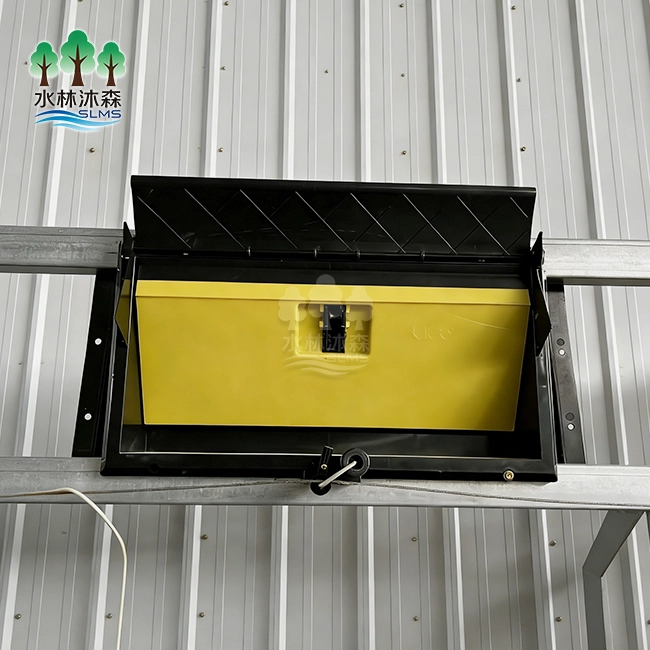
Environmental control systems need extra care because air has a direct effect on the health of broilers that live in small spaces. Negative pressure fan systems should provide air flow rates that are in line with the number of birds and the weather in the area. When air flows properly, there are no "dead zones" where heat and humidity build up, causing stress that slows down growth and makes people more likely to get diseases.
Our installation movies show teams how to put things together in a methodical way, focusing on important alignment tolerances and link security. The distance between each level of the cage must stay within certain limits so that the dung belt can work and air can flow. Installing a feed line requires exact leveling to avoid uneven delivery, and controlling the pressure of the water line makes sure that all cage places have the same amount of water. These factors affect how well the system works in the long run and how well the birds are treated.
Operational Protocols for Optimal Productivity
Good cage management strikes a mix between technology and careful care for the animals. Visual checks done every day find broken equipment, bird health problems, and natural problems that need to be fixed. The feeding system should be checked to make sure that the food is delivered consistently. As the birds get older and their eating habits change, the system should be adjusted. Maintenance on water systems stops the slow loss of performance that happens over time. Nipple drinkers need to be cleaned every so often to get rid of mineral deposits and biofilm buildup that get in the way of flow. Testing the water quality makes sure that it has the right pH and mineral content to keep birds healthy, and following cleaning rules between groups gets rid of places where pathogens can hide.
How well the manure collection system works in a Three-tier Broiler Cage setup has a direct effect on the air quality and the control of diseases. The tightness of the belt needs to be checked once a week to keep it from slipping and letting waste build up. Cleaning up the collection area gets rid of places where flies and other pests can lay their eggs, which supports hygiene rules. Properly getting rid of trash or managing composting helps the environment and could also bring in extra money from selling organic soil.
Preventive Maintenance Extending Equipment Life
Systematic repair plans make sure that equipment lasts as long as possible and doesn't break down during production processes. Structures are checked every month to find problems like wire mesh damage, link loosening, or covering wear that need to be fixed. If you take care of small problems right away, they won't get worse and require expensive emergency fixes.
Servicing automation parts every three months is recommended. This includes lubricating the motor, replacing the belt, and checking the electrical connections. For stable function, feed delivery systems need to have their gearboxes inspected and their chain tensions adjusted. Calibration of the water pressure control keeps the flow rates correct as system parts age and mineral deposits change the way the hydraulics work.
An annual full inspection by trained techs finds patterns of wear and parts that are getting close to needing replacement. This method plans maintenance for times when there isn't much production going on, so it doesn't affect groups that are actively growing. Our service team gives thorough inspection reports with ranked suggestions, which helps with planning and spending for upkeep.
Future Trends in Broiler Cage Farming and Shuilin Musen's Innovation Roadmap
Technology Integration and Smart Farming Solutions
The poultry business is quickly moving toward management based on data, which is made possible by IoT connection and sensor technology. Modern cage systems increasingly include ways to keep an eye on the surroundings, keep track of how much food each bird eats, and measure each bird's weight. This real-time data collection lets managers make exact changes that improve growth conditions and find problems before they affect the performance of the flock.
Shuilin Musen is constantly working to improve our clients' smart farming integration skills so that they can stay ahead of the competition. Our research and development team works with partners in farming technology to set up sensor networks and tools for data analysis. These systems give farm managers complete success reports that they can access from their phones, so they can make smart decisions no matter where they are.
Applications of artificial intelligence are the next big thing in managing chickens. When machine learning systems look at old production data, they find trends and outliers that humans can't see. Predictive analytics predicts when to gather crops, when to fix equipment, and how prices will change in the market, which helps with strategy planning. Our innovation plan gives these advanced skills top priority, making sure that clients can get access to game-changing technologies as they develop.
Sustainability and Environmental Responsibility
Sustainable production methods are becoming more and more popular because they are better for the environment and consumers want them. Modern cage systems help reach environmental goals by making better use of resources and managing trash. With precise feeding, less grain is used per pound of meat created, which lowers the environmental impact of growing feed crops. Controlled housing keeps birds safe from harsh weather and uses less energy to keep the temperature stable than open housing options.
Shuilin Musen is committed to being environmentally friendly throughout the whole process of making our products and for as long as they last. We choose materials that are easy to recycle and last a long time so that we produce as little waste as possible. Our practical carbon footprint is smaller because we use energy-efficient manufacturing tools, and we are always looking for new materials that give us the same performance with less damage to the environment.
We are heavily involved in business study that looks into closed-loop systems for using waste. When properly handled, chicken manure contains important nutrients and organic matter that can be used to grow crops. Our designs for manure handling systems make it easy to gather and process waste efficiently, and they can be easily integrated with composting or biogas plants. These methods turn the costs of managing trash into ways to make money while still meeting environmental standards.
Conclusion
Choosing the right broiler house tools is a key factor in how well a modern poultry farm runs, how well the birds are cared for, and how much money it makes. Shuilin Musen's Three-tier Broiler Cages have been shown to work well in busy production systems, despite the difficulties they present. We are more than just an equipment supplier because we are dedicated to providing high-quality materials, the ability to customize products, and full support services. We keep improving cage technology to meet the changing needs of the business while keeping the dependability and longevity our clients expect. We do this by putting a lot of money into research and development and having experience in markets around the world.
FAQ
Q1: What capacity improvements can farms expect from three-tier systems?
A: When compared to standard floor raising, vertical cage systems usually increase the number of broilers that can be kept in the same amount of space by 300 to 400%. This huge gain comes from using vertical room that is wasted in processes with only one level. The exact capacity depends on the size of the building and the way the cages are set up, but most places that house 30,000 birds on the floor can hold 90,000 to 120,000 birds in Three-tier Broiler Cages in the same building. This makes better use of room, which lowers the costs of infrastructure per bird and raises the return on facility investment.
Q2: How does automation integration reduce labor requirements?
A: Automated systems for feeding, watering, and removing manure get rid of boring, time-consuming jobs that need to be done by hand every day. For manual feeding operations to work, two to three people must spend four to five hours a day distributing food to large flocks. This job can be done constantly by automated systems with little to no control, which cuts the cost of labor by 40–50%. The regularity of automated delivery also makes feed conversion more efficient, which saves even more money with each production cycle.
Partner with a Trusted Three-Tier Broiler Cage Manufacturer
Shuilin Musen Aquaculture Equipment Co., Ltd. has eight years of experience helping businesses all over the United States find complete living options for chickens. Our galvanized steel cage systems are built to last 15 to 20 years because they don't rust and have built-in technology that cuts work costs by over 40%. We offer fully customized designs that fit the needs of your building, full installation support, and a one-year warranty. Get in touch with us at wangshuaislms@gmail.com to talk about how our Three-tier Broiler Cage systems can help your farm be more productive and make more money.
References
1. Anderson, K.E. & Adams, A.W. (2019). "Comparative Analysis of Housing Systems in Commercial Broiler Production." Journal of Applied Poultry Research, 28(3), 612-625.
2. Chen, Y. & Morrison, R.B. (2020). "Economic Evaluation of Automated Equipment in Intensive Poultry Farming." Agricultural Systems, 184, 102-118.
3. Ferguson, N.S., et al. (2021). "Impact of Cage Design on Broiler Welfare and Meat Quality Parameters." Poultry Science, 100(7), 3344-3356.
4. International Poultry Council (2022). "Global Standards for Broiler Housing Systems: Technical Guidelines and Best Practices." IPC Technical Report 2022-08.
5. Roberts, J.R. & Sumner, D.A. (2018). "Vertical Integration and Technological Adoption in the U.S. Broiler Industry." American Journal of Agricultural Economics, 100(4), 1142-1163.
6. United States Department of Agriculture (2023). "Poultry Production and Value 2022 Summary." National Agricultural Statistics Service, April 2023 Report.
Learn about our latest products and discounts through SMS or email