Poultry House Feed Silo: Chicken Feed Storage Must-Dos
One of the biggest problems in modern chicken farming is how to store feed properly. A Poultry House Feed Silo is a special kind of vertical bulk storage system that is made to keep feed fresh while managing its spread across commercial businesses. Traditional methods of bagged feed require constant work and leave the feed open to contamination risks. These bins, on the other hand, offer centralized storage with better covering that keeps out rain, moisture, and insects. Feed bins fix the problems that affect your farm's profits and the health of your birds by keeping the proper balance of nutrients and lowering the risks of diseases caused by spoiling.
Understanding Poultry House Feed Silos: Types, Functions, and Benefits
Feed storage equipment has come a long way since the days of simple bins. Modern bulk feed storage systems have measurable benefits that change how farms work every day and protect your investment in good nutrients.
Core Components and Construction Materials
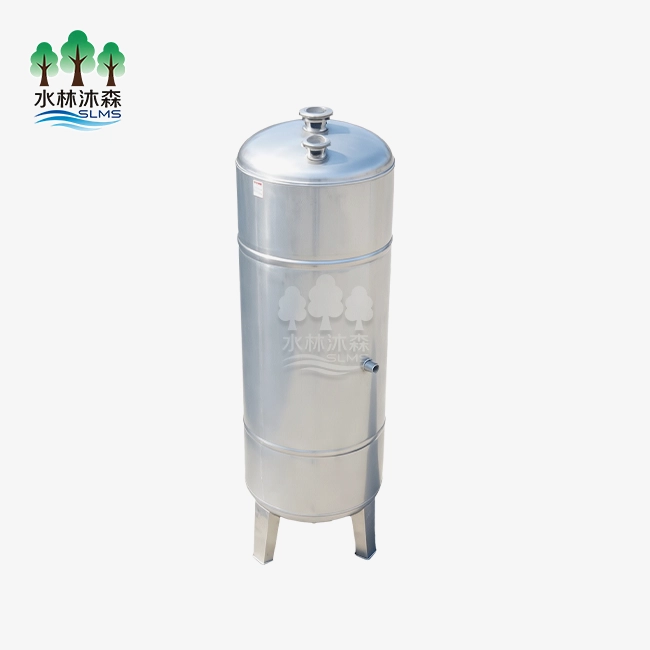
Material choice is the first step in making sure that feed storage is structurally sound. Premium units are made of high-tensile corrugated steel that has been hot-dip galvanized with coats ranging from Z275 to Z600 g/m². This gives them great rust protection against acidic feed and the weather. Options made of Glass Reinforced Plastic (GRP) work better in seaside or high-humidity areas where rust is a constant threat. High-strength galvanized steel and 304 stainless steel plates are used most often in our manufacturing process. These plates are rigid and have a long working life, so your storage structures will last for decades of heavy use. Reflective coats on the outside surfaces stop the sun's heat from getting in, which stops interior mist that weakens vitamins and helps bacteria grow.
How Gravity Flow and Hopper Geometry Prevent Feed Bridging
The angle of the hopper affects whether your feed flows easily or gets stuck, which costs a lot of money. Standard 60-degree cone slopes in the chicken feed industry help the mass flow of non-free-flowing feeds, stopping the bridging and ratholing processes that mess up feeding plans. When working with high-fat diets or pelletized food, this physical accuracy is even more important.
The release boot and slide-gate combination work perfectly with auger delivery systems, so feed can move freely from storage to feeding lines. When you combine pressure-relief exhaust vents with pneumatically sealed filling systems, the structure stays strong during quick bulk deliveries, keeping your equipment safe from damage caused by too much pressure.
Storage Capacity Options from Small to Large-Scale Operations
The size of the production determines how much space is needed. Our standard sizes range from 5 to 30 tons, so they can be used by family-run farms with a few thousand birds or by combined buildings with over 100,000 broilers or layers. To figure out the right capacity, you need to look at your flock's size, how much feed they eat each day, how often they need to be delivered, and how often they are fed.
With bigger capacities, large deliveries happen less often, which lowers the cost of feed per ton through more efficient transportation. Load cell integration lets you keep an eye on your goods in real time by sending weight data to control systems. These systems use the data to calculate accurate Feed Conversion Ratios, which can spot health problems by looking at changes in consumption patterns.
Measurable Advantages in Feed Preservation and Labor Efficiency
Operational benefits cover a wide range of performance areas. The best closing technology stops water from getting in, which causes mold to grow and mycotoxicosis. It also stops mice and wild birds from getting in and spreading Salmonella. Temperature stability protects medicines and chemicals that are sensitive to heat, keeping their therapeutic effectiveness during holding times.
When compared to human feeding methods, automated bulk storage cuts the amount of work that needs to be done by more than 40%. This frees up workers to focus on things like keeping an eye on animals' well-being and maintaining the building. Feed trash goes down a lot when it's stored centrally and doesn't have to be handled, spilled, or accessed by pests. All of these savings add up to real gains in your bottom line while also raising the bar for biosecurity.


How to Choose the Right Poultry Feed Silo for Your Farm: A B2B Procurement Guide
When making procurement choices, you have to weigh short-term budget limits against long-term operational costs. When you choose your storage system with care, it fits with your farm's growth plan and output method.
Assessing Your Farm's Specific Storage Requirements
Start by writing down the present and expected demographics of your group. Layer farms need different change rates than broiler farms, and breeder farms need separate stores to keep male and female feed from getting contaminated. Poultry House Feed Silo placement depends on whether you choose a central or individual system. Which vertical or horizontal configuration works best for your site plan depends on how much room you have for installation.
Vertical silos make the most of limited space by storing more, while horizontal forms make it easier to do upkeep. The type of feed is important. Mash, pellets, and pieces all flow in different ways, which affects how the hopper needs to be designed. The specs of your filling system depend on how your supply vehicles can get to the area. For example, if you're using a pneumatic truck, the ports need to be set up differently than if you're using an overhead conveyor.
Comparing Material Durability and Environmental Suitability
The weather has a direct effect on how well and how long something lasts. When used in warm climates, galvanized steel is a durable material that doesn't cost much and usually lasts for 15 years or more. GRP construction is great for coastal farms or businesses in tropical high-humidity zones because it completely removes the risk of corrosion and provides better thermal protection. This protection keeps the nutritional additives working well by lowering the changes in temperature inside the animal that cause feed to stick together.
Maintenance needs are very different for different types of materials. For example, steel units need to have their zinc coatings and bolt seals checked on a regular basis, while fiberglass constructions don't break down easily but need to be handled carefully to avoid structure cracks. Sustainability factors are becoming more important in purchasing choices, and companies that want to get environmental certifications like steel options that can be recycled.
Budget Planning and Return on Investment Analysis
The cost of the initial investment depends on the amount of automation, the volume, and the materials used. Entry-level steel silos start at reasonable prices, making them a good choice for businesses switching from bagged feed. On the other hand, premium automatic GRP systems require a lot of money up front, but they save money on work and keep feed fresh.
To figure out ROI, you have to compare the present percentages of feed waste, the number of hours spent dealing feed, and the costs of disease care related to spoilage. Most treatments pay for themselves in 24 to 36 months by saving money in all of these areas. You should carefully read the terms of any guarantee. For example, our 1-year free warranty covers your investment during the crucial operational break-in time. You can change the specifications to get the best value, from simple manual systems to fully automated setups that weigh and measure themselves.
Installation, Maintenance, and Safety Best Practices for Poultry Feed Silos
Whether your storage system lasts for decades without breaking down depends on how well it was installed and how well it is taken care of over time. Following set rules protects both the tools and the people who work with it.
Site Preparation and Professional Assembly Procedures
Preparing the base correctly is the first step to a successful installation. To keep loads from being spread out unevenly, which can cause stress on structures, concrete pads must meet level tolerance standards set by the industry. Enough space around the outside makes it easier for repair workers to get to and for delivery trucks to turn around. Professional construction teams know how much torque to use on structural bolts and the right order to place panels so that the building stays weatherproof.
We give your team installation movies and detailed technical help documents that walk them through the setup process. For businesses that would rather have a professional do the work, on-site installation service is still available. This will make sure that your system is ready to go without any delays. Some common construction mistakes are not properly grounding the augers so that static electricity can escape and not aligning the auger connections correctly, which leads to premature wear spots.
Routine Inspection Schedules and Cleaning Protocols
Preventive repair keeps technology working well and increases its useful life. Every three months, the lid seals, exhaust vents, and boot covers should be checked for damage caused by UV light and changing temperatures. Poultry House Feed Silo structures require special attention: checking the structure's soundness makes sure that wind loads and fill pressures haven't damaged the links between panels or the stability of the legs. The most important upkeep step is to empty, wash, and fumigate the coop completely between groups.
This stops the growth of mold spores and feed mites that might have gathered during production cycles. Cleaning entry holes makes it easier to check and clean the inside, preventing the building of residue that can house germs. UV-resistant EPDM or Neoprene sealed washers in the seams between the roof and the sidewalls need to be replaced every so often to keep the roof waterproof. Calibration of the load cell makes sure that accurate inventory tracking, and lubrication of the auger bearings stops mechanical problems that stop feed delivery.
Safety Protocols and Emergency Handling Procedures
Structural safety includes both normal use and emergency situations. When people go into Poultry House Feed Silos to check or clean them, they have to follow confined space protocols that include testing the air quality, having ventilation equipment, and having rescuers on ready. In addition to keeping people safe, ventilation is needed to keep dust from building up, which can cause explosions during vacuum filling operations.
Emergency handling methods cover everything from finding contaminated feed that needs to be isolated right away to extreme weather damage to buildings. Operators should know how to lock out the slide gates, relieve pressure in the air system, and use load cell overload signs as part of their training. Accidents are less likely to happen when pinch points, moving auger parts, and electricity dangers are marked correctly. These thorough safety steps protect your workers and make sure that your birds always have food.
Innovative Solutions and Automation in Poultry Feed Silos
As technology keeps getting better, feed storing options are changing. Digital tracking, automatic dispensing, and data analytics are all parts of modern systems that make operations more precise than just storing things.
Precision Feeding and Integration with Farm Management Systems
Automatic feed delivery systems that are linked to bulk storage make it possible to set precise feeding plans that make the best use of nutrition timing and amount control. Timed and quantitative feeding routines are carried out by programmable controls, which provide exact amounts that reduce waste and support bird health goals. When integrated with full farm management tools, feed usage data is combined with environmental controls, tracking bird weight, and output measures.
This all-around study of the data finds performance trends and possible health problems before they affect the flock's ability to produce. Real-time inventory monitoring sends automatic restock alerts when stock levels drop below certain levels. This keeps feed from running out, which would mess up feeding plans. Feed handling used to be done by hand, but now that storage, distribution, and data are all connected, it's done automatically.
Impact on Feed Consistency and Bird Health Outcomes
Consistency in nutrition has a direct effect on growth rates, the efficiency of feed conversion, and the health of the group as a whole. The ingredients in bulk storage systems stay the same over time, so there is no batch-to-batch difference like there is with bagged feed. First-In, First-Out flow patterns make sure that older feed doesn't stay in storage past its expiration date, so birds always get the best nutrition.
Controlling the temperature inside protected bins keeps vitamins and medicines working well, which keeps therapeutic feed effective. Less contaminated feed lowers the number of diseases that happen, which cuts down on the use of antibiotics and improves bird comfort. These health changes show up as measured performance gains, like better feed conversion ratios, flatter weight gain curves, and lower death rates that make production more profitable.
Future Trends in Smart Feed Management Technologies
New tools promise to make operations even better. With Internet of Things devices, you can check the temperature, humidity, and usage trends from afar using smartphone apps. Artificial intelligence programs look at past consumption data to figure out the best delivery times and find outliers that could mean a problem with the equipment or with the person's health.
Solar panels that power tracking systems and building with recycled materials are examples of eco-friendly design advances. Poultry House Feed Silo integration with renewable energy sources further enhances these benefits. These improvements allow businesses that are thinking ahead to gain a competitive edge through higher efficiency and qualifications that buyers value more and more as sustainable. Keeping up with these changes helps procurement pros make investment choices that keep technology useful throughout the lifecycles of equipment.
Procurement Insights: Buying and Shipping Poultry Feed Silos
When looking for bulk storage tools, you need to think about how reliable the provider is, how hard the logistics are, and how good the after-sale help is. Strategic buying practices make sure that the process goes smoothly and that everyone is happy in the long run.
Sourcing from Reliable Manufacturers and Evaluating Credentials
Before choosing a supplier, you should look at their manufacturing skills and the name of the business. Weifang Shuilin Musen Aquaculture Equipment Co., Ltd. has eight years of experience making machines for farming and raising animals. They also have a skilled R&D team of five engineers who are always coming up with new products. We release more than three goods that we made ourselves every year, keeping us at the forefront of technology that meets the changing needs of our business.
Our thorough quality control system keeps an eye on every step of the production process, from choosing the raw materials to delivering the finished goods. This makes sure that the equipment works well and lasts a long time. Proof that a provider is trustworthy includes proof of certification, customer testimonials, and case study documents. Because customization is possible, you can get solutions that are made to fit your exact operational needs. For example, you can change the material specs to fit your surroundings.
Navigating International Shipping and Installation Support
When you buy a lot of equipment, the details are complicated and need to be coordinated between many service providers. When moving within the United States, flatbed trucks are usually used, and the height of the tall Poultry House Feed Silos needs to be taken into account. Different countries have different rules about how to clear customs, how to figure out import duties, and what paperwork is needed when you buy something internationally. Experienced sellers offer full shipping support, taking care of all the logistics and making sure that all regulations are followed to speed up delivery.
Upon arrival, professional installation services make sure everything is put together correctly, and our team is available for on-site service that makes sure everything is ready to go. Installation guides and technical support materials make it possible for skilled farm teams to set up on their own when they want to. This gives you the freedom to meet the needs of a wide range of customers while still upholding quality standards during the whole application process.
Warranty Terms and Ongoing Technical Assistance
Support after the sale decides whether the equipment works as promised for the whole time it is in use. Our free 1-year guarantee covers flaws in the construction and mistakes made during production, giving you peace of mind during the important break-in time. Expert teams are available to help with operating questions and upkeep processes, and comprehensive technical support goes beyond what is covered by the warranty.
When parts need to be serviced, having replacement parts on hand helps keep downtime to a minimum. This is made possible by efficient supply chain planning. Having quick providers and building long-term relationships with them adds value beyond the original transaction. These relationships help farms grow and buy more equipment. Procurement managers should give more weight to sellers who show they care about their customers' success by providing easy-to-use contact platforms and proactive technical support.
Conclusion
Improving the infrastructure for storing feed has multiple benefits, including making operations more efficient, protecting feed quality, and increasing worker output. Poultry House Feed Silo systems are at the core of this improvement. Modern bulk storage options solve some of the biggest problems that heavy poultry businesses face, like biosecurity risks, nutritional loss, high labor costs, and the need to handle a lot of inventory. Strategically choosing equipment that balances capacity needs, material sturdiness, and automation capabilities will give your business a long-term edge over the competition.
Moving from traditional methods of bagged feed storage to organized bulk storage is a huge investment that will improve production while lowering operational stress. As more technologies are added to storage systems, advanced businesses that adopt them early will be at the cutting edge of best practices in the industry. This will help them become more efficient, which will directly lead to higher profits and a better place in the market.
FAQ
How do I calculate the right silo capacity for my operation?
To plan for capacity, you need to look at the size of your flock, how much food each bird eats each day, and how often you want to send food. To find the number of days you want to go without delivering your birds, multiply the number of birds by the average amount they eat each day (usually 100 to 120 grams for layers and 80 to 100 grams for broilers). Adding 15 to 20 percent of extra capacity helps handle changes in usage and stops gaps from happening in an emergency. Our standards, which range from 5 to 30 tons, are suitable for operations with a few thousand birds up to big integrated sites with more than 100,000 heads.
Can automated silos integrate with my existing farm management system?
Modern automated storage units use communication methods that are standard in the business and work with most farm management systems. The outputs of load cells can connect to data gathering systems using either digital or analog signals. Programmable feeding controllers can take schedule information from centralized management software and use it to make decisions. We give you technical specs and help with integration so that it works well with your current system and gives you a single view of all operations.
What safety features should I prioritize?
Important safety features include a strong structure that can withstand wind loads, pressure-relief ventilation that stops harm from overpressure during filling, and limited space entry procedures for maintenance access. UV-resistant sealing parts keep the outdoor integrity, and proper wiring keeps static electricity risks at bay. People who work in daily operations and maintenance are kept safe by thorough operator training that includes shutdown measures and emergency procedures.
Partner with a Trusted Poultry House Feed Silo Manufacturer
We at Weifang Shuilin Musen Aquaculture Equipment Co., Ltd. know how hard it is to run a modern chicken farm and how important it is to store feed efficiently for the farm to be successful. We have eight years of specialized experience in farming and livestock tools, which has given us a wide range of skills that help us provide reliable, high-performance solutions. We help your business through every step of the project, from figuring out your starting capacity and choosing the right materials to installing the project professionally and providing ongoing technical support.
Whether you're in charge of a large-scale integrated production facility or a family farm that's growing, our engineering team can make configurations that work with your unique surroundings and work flow. Contact our team at wangshuaislms@gmail.com or visit slms-equipment.com to talk about how our feed silo solutions can help you store feed more efficiently and save money on costs. We sell stable, long-lasting equipment that comes with a full warranty and quick expert help to make sure your investment pays off in the long run.
References
1. Aviagen. (2019). Broiler Management Handbook: Nutrition and Feed Management. Aviagen Group Publications.
2. Donald, J. (2018). Feed Milling Technology and Operations: Storage and Handling Systems. American Feed Industry Association Technical Manual Series.
3. Fairchild, B.D. & Czarick, M. (2020). Poultry Housing and Management in Hot Weather: Environmental Control Systems. University of Georgia Cooperative Extension Bulletin 1378.
4. North, M.O. & Bell, D.D. (2017). Commercial Chicken Production Manual: Feed Storage and Delivery Systems (5th ed.). Chapman & Hall Agricultural Science Publications.
5. Payne, H.G. (2021). Bulk Feed Storage: Design, Construction, and Maintenance Standards. International Journal of Agricultural Engineering Research, 28(3), 145-162.
6. United States Department of Agriculture. (2020). Biosecurity for Poultry Operations: Feed Storage and Handling Protocols. USDA Animal and Plant Health Inspection Service Publication VS-2020-14.
Learn about our latest products and discounts through SMS or email