What features should I look for in a chicken farm water regulation device?
For your chicken business, you need a water control device that keeps the water clean, makes sure there is a steady flow, and keeps the whole building from getting dirty. To make sure that all the birds get clean water during the whole production process, a good Chicken Farm Drinking Water Regulation Module should have enough storage room, accurate pressure control, multiple steps of filters, and automation features. These systems change water sources with high pressure into safe, low-pressure streams that are good for nipple drinking. That stops leaks and makes sure all the birds have water.
Understanding the Importance of Water Regulation in Chicken Farms
A lot of farms don't pay enough attention to this part of their management, but water is the most important thing for chickens. The amount of water birds drink is about twice their body weight. If they don't get enough water, it affects their ability to grow, lay eggs, and keep their immune systems healthy.
How Water Quality Affects Flock Health and Productivity
Getting pathogens from dirty water is bad for gut health and makes it easier for diseases to spread through closed living systems. When bacterial biofilms form inside pipes, they hold harmful microorganisms that are hard to get rid of with normal cleaning methods. We've seen places where bad water management caused a lot of people to get bowel diseases, which cost a lot of money to treat and killed a lot of people. Some of these risks can be avoided by making sure animals have access to clean, controlled water. This also helps animals digest their food better and receive nutrients.
Common Challenges in Poultry Water Management Systems
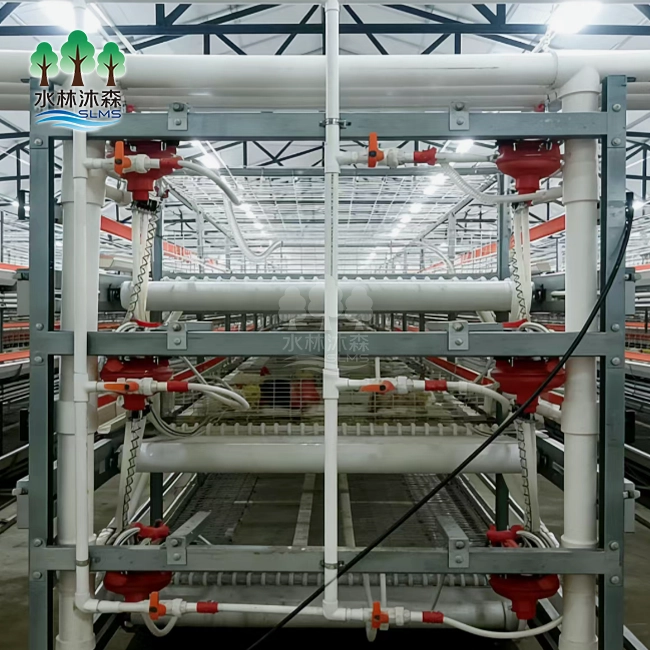
Large businesses have to deal with changes in pressure that come from changing demand throughout the day. People drink a lot after eating or when the lighting changes. Systems that aren't under control have pressure spikes that cause nipple drinkers to leak. When the litter gets wet, the amount of ammonia goes up, which makes footpad rash more likely in broilers. There is also the issue of how quickly the temperature can change. Lots of people don't drink as much when the water is too cold, and germs grow faster when the water is too warm. Well water sources make it hard for flock to get water because silt builds up in nipple devices. This costs a lot to fix.


Key Features to Consider When Choosing a Chicken Farm Water Regulation Device
Before you buy water regulation tools, you should carefully read the technical specs that meet your production goals and the size of the job you need to do. The best method is a mix of automation and reliability, so it always works well even when farming conditions are rough.
Water Storage and Pressure Stabilization Capacity
That device in charge should have enough storage room to handle supply breaks and keep the supply going even when demand is high. Systems that can hold anywhere from 500L to 5000L of water can be changed to fit a lot of different types of businesses, from small family farms to big commercial sites that house over 100,000 birds. It's important that the built-in booster pump can change the pressure on its own. This way, changeable input pressures can be turned into safe output ranges that can be used for long-distance distribution and cages with more than one level. This stable pressure stops changes in the activation force that make it hard for young birds to get to the water. It also stops leaks that happen when systems aren't handled properly.
Advanced Filtration Systems for Water Quality Management
A multistage filter gets rid of grit, organic particles, and mineral deposits from the water before it gets to spots in your building where people can drink it. Some systems have cleaning equipment that works just right to keep the delicate nipple mechanisms from getting stuck and to get rid of harmful contaminants that make the water taste bad and put people at risk.
Some well water from farms has a lot of iron in it, while other water has a lot of minerals that make the water hard. The parts that filter the water should be able to handle all of these chemicals. The filters will last longer if you backflush them regularly. You can also keep the flow rates steady without having to shut down the whole system, which can make it hard for flocks to get to the filters.
Material Selection and Durability Standards
How long the system lasts and how safe the water is depend on the materials used to build the tanks. Polyethylene made for food is strong, light, and doesn't react with chemicals, so it can be used with medicines that dissolve in water or make things more acidic. 304 stainless steel, on the other hand, doesn't rust as easily and lasts longer in tough environments, especially ones that clean things at high temperatures all the time. The system's parts, like valves, fittings, and pump housings, need to be able to last a long time while being wet, changing temperatures, and being cleaned with chemicals without breaking down or letting germs in.
Automation and Monitoring Capabilities
These days, control units can start and stop automatically based on a reading of the pressure in real time. This means you don't have to do anything by hand, and the energy is used in the best way possible. Pressure monitors check the system all the time and only turn on the pump when the distribution pressure falls below a certain level. Chicken Farm Drinking Water Regulation Module integrates seamlessly here: automation saves energy and makes equipment last longer by cutting down on the number of times it needs to be turned on and off. You can see how much water your flock is using from away with some more complicated systems that connect to software for running a farm. You can see how healthy your group is and find problems early on, before they hurt production.
Scalability and Customization Options
Your water control system should be able to change with your needs as your business grows or as the way you make things changes. With modular designs, you can add small amounts of space without having to change the whole system. This means that the money you spent on the tools will pay off over many production rounds. Customization is very helpful when dealing with unique needs, such as separate lines of medicine, organic farming, or sites for multiple species that have different pressure requirements. If a company that sells equipment gives custom solutions, it means they know how it can be used in many different ways in agriculture and want to help solve specific operating problems instead of just selling standard products.
Comparing Leading Chicken Farm Water Regulation Modules in 2026
Right now, there are a lot of different ways to give water to chickens. Some manufacturers set themselves apart by combining technology, making items of good quality, and providing customer service. Being aware of these differences helps buying professionals make smart decisions that balance how much the investment costs with how much it will earn them in the long run by comparing the best Chicken Farm Drinking Water Regulation Modules in 2026.
Evaluating Energy Efficiency and Operating Costs
Energy-efficient pump systems don't always run at full speed; instead, they change speeds based on how much water is needed. This means that they use less electricity. Take a look at more than just the buying price to get the total cost of ownership. You should also think about how much power the machine will use, how often it needs to be serviced, and how many parts it will need to be changed every five to seven years. It is worth the extra money that systems with good motors and protected bearings cost at first because they save a lot of money over many production cycles because they need less maintenance and more power.
Warranty Coverage and Technical Support Quality
A full warranty lets you know that the company that made the item believes it will last, and it also keeps your investment from breaking down too soon. Find out what the guarantee covers, not just how long it lasts. Like, does it also cover the cost of service, or just new parts? When something goes wrong, how long should it take for someone to fix it? Installing new tools is a lot easier when the company that makes them has clear instructions, lots of material, and friendly customer service. On-site installation services make sure that the system is set up properly and avoids common problems that happen when it first starts up, so you don't have to guess what to do.
Smart Technology Integration and Future-Proofing
If your normal drinking habits change, smart systems with consumption analytics can spot them before they become big problems with output. These changes could be signs of health problems, stress in the environment, or problems with equipment. These skills become more valuable as it gets harder to find workers and companies try to be more efficient by using data-driven management. When you choose a system, think about whether it can be updated in the future as monitor technology and links get better. In a world where technology is always changing, this will keep your tools from quickly becoming useless.
Setting Up and Maintaining a Drinking Water System for Your Chicken Farm
A well-built system will last for a long time, and regular maintenance will keep it from breaking down over time, which would lower the quality of the water and make it less useful.
Installation Best Practices and Professional Support
Start by putting your water storage and control gear in a safe place that won't get too hot or too cold and is easy to get to for maintenance. To make sure the base can handle the weight of the full tank, and the power source must be able to provide enough power for the pump. Having a professional installation service lowers the risk of starting problems because they know how to put parts in the right place, move pipes, and change the pressure in a way that fits your facility's plan. You can use the detailed installation videos that many businesses offer to put things together yourself if you can't find someone to help you. On-site help is still helpful for difficult tasks that involve multiple buildings or computer systems that work together.
Routine Maintenance Protocols for Optimal Performance
You should plan regular checks that include looking for leaks visually, reading the pressure gauge, and seeing how the filters are doing. To keep biofilm and gunk from building up in transport networks, flush the lines every day, especially after giving medicine. As often as the filter maker says, or more often if the water source has a lot of silt, the filter elements should be changed.
If you hear or feel strange sounds or movements coming from the pump, it may mean that the bearings or impeller are wearing out or getting damaged. You need to fix this before the pump breaks down completely. By keeping track of maintenance tasks, you can build up an important service history that can help you figure out when parts need to be changed and back up warranty claims when they come up.
Troubleshooting Common System Issues
This will fix changes in pressure. Make sure there are no air locks in the lines that carry the air and that the pressure control is set properly for the size and type of bird that drinks from its beak. Check to see if the amount of water being used has changed. If it has, the water might not taste right because it has too much chlorine or poison in it, not because of a problem with the equipment.
If the pressure is set properly on nipple drinkers but they keep leaking, check the regulators for diaphragm wear or seal degradation. Chicken Farm Drinking Water Regulation Module — if you find either, the part needs to be changed. The filter system needs to be checked right away if the water is cloudy or tastes funny. The water quality may also need to be tested to see if there are any germs or chemical changes that are making the flock sick.
How to Choose the Right Water Regulation Solution for Your Poultry Farm
By making sure that the equipment fits the needs of the business, you can be sure that your investment will pay off in the long run by improving performance and cutting costs.
Assessing Your Farm's Specific Requirements
First, figure out how much water is needed generally. This should be done by considering the number of birds, the stage of production, and how much water is used during different times of the year. Think about what your water source has to offer. For instance, treating water from a city source that has a steady pressure and quality will be different from treating water from a well that has a varying mineral content and flow limits.
In your facility's plan, pay attention to things like how far apart the areas are, how the height changes for multi-tier cage systems, and how many different water lines need to be controlled. These useful details tell you how much storage room, pump specs, and cleaning power you need to get reliable results.
Balancing Cost-Effectiveness with Long-Term Value
Income affects what people buy, but the total cost of ownership is a better indicator of value than just the buying price. At first, high-end systems made of stainless steel and commercial-grade pumps cost more, but they last longer, need less maintenance, and work better when production is high.
Just add up how much you could save by lowering the risk of disease, speeding up growth, and adding fewer people to do the same amount of work to the cost of the tools. This will give you the real return on investment. Think about how well the technical help works and how much the warranty covers. When there is quick service, there aren't long breaks that are bad for the flock's health and throw off plans for production.
Working with Reliable Suppliers and Manufacturers
Getting tools after the deal is over will go a lot better if you choose the right partner. Established companies with a wide range of goods show that they are committed to the industry and have strong finances, which makes it easier to get parts and service. Check out how quick the seller was during the question and price process to get an idea of how good the after-sale service will be.
Ask for examples from current customers who run sites that are about the same size as yours to make sure the claims about performance are true and to find out how happy the customers are with how reliable the equipment is and how well the maker backs it up. If a supplier lets you change how their goods work, it means they want to help you solve your specific problems instead of making you use standard setups that don't fully meet your needs.
Conclusion
That being said, for the best water control gadget, think about what it does, how it will be used, and how much it will be worth in the long run. Having systems that work well, have stable pressure, full filtration, and automation choices is good for the health of sheep and saves money on work and running costs.
Chicken Farm Drinking Water Regulation Module — it's smart to spend money on good tools because they improve work standards, cut down on sickness, and make operations run more smoothly, which makes the company more competitive. If you pick your providers wisely, you can be sure that you will be able to get help from experts and make changes that fit the needs of your business as it grows.
FAQ
Questions that lots of people ask:
How do I determine the right storage capacity for my operation?
Based on the number of birds and the stage of production, figure out how much water you need each day. Then, pick a store size that gives you extra water for at least 24 hours. Most of the time, companies that keep 10,000 broilers need systems that can hold 800 to 1200 liters of water. Larger companies can use systems that can hold 2000 to 5000 liters of water. You should think about times of high demand and possible supply gaps when you size your system. There are different levels of customization that let you meet specific operating needs that go beyond basic settings.
What maintenance schedule should I follow for optimal system performance?
Check the air gauge and any leaks that you can see every day. Finally, clean the lines that carry the medicine after giving it. If the grit level is high, check the filters once a week. Filter parts should be changed every three to six months, depending on how clean the water is. To keep the promise current and avoid sudden breakdowns, plan full checks to happen once a year. These checks should include how the pump works, the condition of the seals, and the pressure calibration.
Can these systems handle medicated water administration?
Some drugs, vaccines, and dietary supplements dissolve in water. Quality control units can handle these things without changing the stability of the pressure or the filter's ability to work. After drug rounds, do a full line clean right away to stop the buildup of residue that helps germs grow. Check to see if the chemicals are safe for the system's parts, especially if you plan to use acidifiers or treatments with a lot of chemicals, which could weaken the seal over time.
Get Professional Water Regulation Solutions from a Trusted Supplier
It's been eight years since Shuilin Musen Aquaculture Equipment Co., Ltd. learned how to make full water control systems for big chicken farms. The engineers on our team have made management systems for places with anywhere from 5,000 to over 100,000 birds. These systems can hold between 500L and 5000L of 304 stainless steel or PE that is safe for food. We offer full professional support, such as installation films and on-site testing services, and we promise all of our systems for a year.
Our water control units keep the pressure fixed in cages with more than one level and stop water-borne diseases from spreading. They also keep nipple drinkers from getting stuck. Please email our team at wangshuaislms@gmail.com to talk about your business needs with a Chicken Farm Drinking Water Regulation Module manufacturer committed to coming up with unique solutions. At slms-equipment.com, you can find full specs and technical specifics.
References
1. Fairchild, B. D., & Ritz, C. W. (2020). Poultry Drinking Water Quality and Management Practices. University of Georgia Cooperative Extension Bulletin 1301.
2. Beker, A., & Vanhooser, S. L. (2018). Water Quality and Its Impact on Poultry Performance: A Critical Review. Journal of Applied Poultry Research, 27(4), 623-632.
3. National Chicken Council. (2019). Water Quality and Management Guidelines for Commercial Poultry Production. Animal Welfare Guidelines and Audit Checklist.
4. Watkins, S. E., & Tabler, G. T. (2021). Modern Approaches to Poultry Water System Management. Proceedings of the International Poultry Scientific Forum.
5. American Society of Agricultural and Biological Engineers. (2018). Design and Management of Animal Agriculture Water Systems. ASABE Standards Engineering Practices EP433.1.
6. European Food Safety Authority. (2020). Scientific Opinion on Water Quality Parameters Affecting Poultry Health and Production Efficiency. EFSA Journal 18(7), 6234.
Learn about our latest products and discounts through SMS or email