The Advantages of Using Negative Pressure Fans in Breeding Houses
To keep animals healthy and get the most out of their work, modern livestock farms need careful environmental control. The Breeding House Negative Pressure Ventilation Fan solves important problems in poultry and cattle facilities by making controlled airflow that gets rid of dirty air and brings in fresh air through certain openings.
This method does a good job of controlling temperature, humidity, and air quality, which are three things that have a direct effect on feed conversion rates, mortality rates, and total profits. Breeding House Negative Pressure Ventilation Fans are different from other ways of moving air around because they continually swap air. This keeps groups from getting heat stress, respiratory diseases, and pathogens. This makes them necessary for medium to large-scale operations.
Understanding Negative Pressure Ventilation in Breeding Houses
How Negative Pressure Systems Work
Breeding House Negative Pressure Ventilation Fan works by letting air out of the breeding house. This creates a difference in pressure that pulls in fresh air from outside through carefully placed openings. This managed input stops random drafts and makes sure that the whole building gets the same amount of air flow. The system keeps the structure slightly vacuumed, usually between 20 and 40 Pascals. This makes air coming in follow paths that have already been planned. This design principle gives workers full control over the speed of air flow, temperature control, and particle filtering at the entry points.
Key Benefits for Animal Health and Productivity
Animal success measures are directly affected by keeping the air quality at its best. High levels of ammonia (above 25 parts per million) can hurt the lungs of chickens, making them more likely to get sick and preventing them from gaining weight. Breeding House Negative Pressure Ventilation Fans keep getting rid of these toxic gases before they get to amounts that are a problem. The system also controls humidity, which keeps water from building up and helping bugs and viruses grow. During the summer, the wind-chill effect that comes from moving air helps birds get rid of their body heat more quickly. This lowers the number of birds that die from heat stress, which can happen when temperatures rise quickly.
Energy Efficiency and Operational Cost Savings
Breeding House Negative Pressure Ventilation Fans of today use a lot less energy than air systems of the past. The focused air exchange method moves just the right amount of air to keep the environment stable, without making the area too airy. When our clients switched to automatic Breeding House Negative Pressure Ventilation Fan systems, they cut their labor costs by more than 40% because they didn't have to do as much tracking and adjusting by hand. The equipment's efficient design means lower monthly energy costs and better control of the environment than standard combinations of fans and natural ventilation.
Types of Negative Pressure Fans and Their Applications in Breeding Houses
Axial Flow Fans for High-Volume Applications
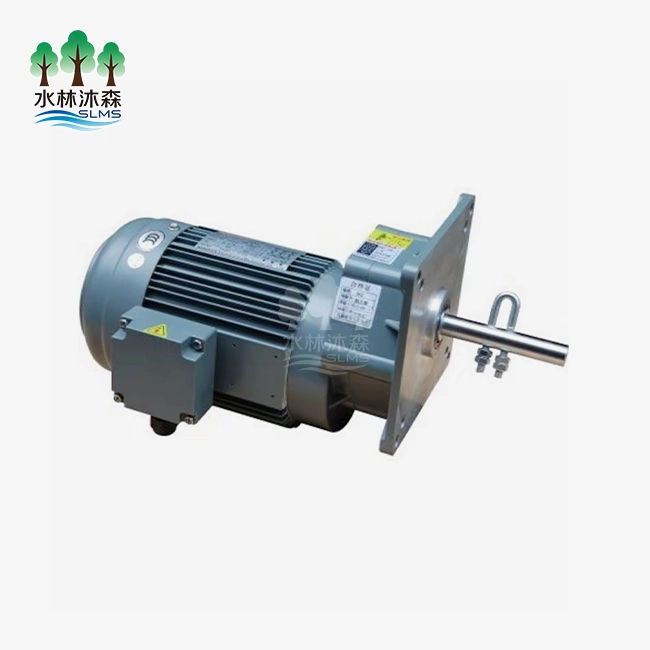
Most of the time, Breeding House Negative Pressure Ventilation Fans are used to ventilate tunnels in chicken houses. These units are directly mounted in the end wall and can move huge amounts of air with a low standing pressure. We sell a 50-inch type that moves between 28,000 and 38,000 cubic meters of air per hour, which is enough to ventilate 150 to 200 square meters per unit. Because of this, radial fans are perfect for places like broiler houses, layer farms, and turkey barns where moving air quickly is important when it's hot outside. The propeller-style blade design moves air as efficiently as possible while using only 1.1 kilowatts of power per unit.
Material Selection for Corrosive Environments
High humidity and the release of ammonia from manure make breeding houses toxic places to live. Breeding House Negative Pressure Ventilation Fan parts must be able to handle these hard conditions for the whole time they are working. Frames made of high-quality galvanized steel with a layer that is thicker than 275 grams per square meter are very resistant to rust.
We also have fiberglass-reinforced polymer choices for jobs that are done in chemically harsh settings. The type of material used for the blade affects both how long it lasts and how well it works. For example, fiberglass blades don't break down when exposed to ammonia and are still very aerodynamic, while stainless steel blades are the strongest and most durable for heavy-duty uses.
Customization Options for Diverse Operations
Depending on the size of the barn, the number of animals, and the weather in the area, different livestock businesses need different Breeding House Negative Pressure Ventilation Fan options. To make sure that the fan meets your exact needs, our research team can change the motor power levels, blade materials, and protection coatings. Facilities that house 10,000 birds need to be set up differently than those that house 100,000 birds. We look at how your building is set up, figure out how much air needs to be exchanged, and figure out where the best Breeding House Negative Pressure Ventilation Fans should be placed to make sure that air flows evenly and that there are no dead zones where animals can't breathe.


Installation and Maintenance Guide for Breeding House Negative Pressure Fans
Professional Installation Process
Your Breeding House Negative Pressure Ventilation Fan system will only work as well as it can if it was installed correctly. The first step is to check the structure to make sure that the fixing spot can hold the 80-kilogram unit weight and the vibrations that come with operations. For electrical construction, you need 380-volt, three-phase power with the right circuit safety. We offer complete installation videos that show how to place the equipment, connect the power, and set up the system for the first time. By connecting the fans to the current cooling pad systems, input controls, and environmental controllers, the whole system works as a single unit instead of a bunch of separate parts.
Routine Maintenance Requirements
Regular servicing keeps Breeding House Negative Pressure Ventilation Fans working well and extends their life beyond 40,000 hours of use. Every month, you should check the tightness of the belt on models that are pulled by a belt, make sure the shutter works, and clean the blade surfaces of any dust that has built up. Motors don't break down too soon when the bearings are oiled according to the manufacturer's instructions. Cleaning the fan shaft and looking for corrosion in the structure can help you spot problems before they cause unplanned downtime. The fairly basic repair plan doesn't take a lot of technical know-how, so you don't have to rely on specialized service providers as much.
Warranty Coverage and Technical Support
We're confident in the quality of our tools, so we offer a one-year guarantee that covers both manufacturing flaws and broken parts. After the warranty time is over, our expert support team is still here to help with operational problems and give advice on how to make the Breeding House Negative Pressure Ventilation Fan system work better. This ongoing relationship makes sure that you get the most out of your equipment purchase for as long as it lasts. On-site installation services are available for customers who'd rather have a professional do the work. This takes away the guessing and makes sure that everything is set up correctly from the start.
Choosing the Best Negative Pressure Ventilation Fan for Your Breeding Operation
Performance Specifications That Matter
To choose the right Breeding House Negative Pressure Ventilation Fan tools, you need to know what the key success measures are. How many units your building needs is based on its total volume and the rate of air exchange it needs. Airflow capacity is measured in cubic meters per hour. Ratings for static pressure show how well the fan can keep the air moving even when it faces pushback from things like inlet screens, cooling pads, and ducting. How much energy a piece of equipment uses, measured in airflow per watt, has a direct effect on how much it costs to run over its lifetime. These things are balanced in our 50-inch units so they offer strong efficiency at low running costs.
Evaluating Supplier Reliability and Service
Quality of equipment is important, but your long-term happiness depends on how well your seller can do their job. Eight years of experience working with farms and animal operations gives Weifang Shuilin Musen Aquaculture Equipment Co., Ltd. a lot of knowledge. Our five-person engineering team releases more than three new goods every year and is always improving old designs based on data from the field. Innovative ideas and real-world experience work together to make gardening tools that work successfully in the real world. We make sure that every Breeding House Negative Pressure Ventilation Fan meets strict longevity standards by keeping an eye on quality from the time we choose the raw materials to the time we test the finished product.
Cost Analysis and ROI Considerations
Buying Breeding House Negative Pressure Ventilation Fan equipment is only a small part of the total cost of ownership. Based on your environment and operating plan, figure out how much energy you think you will use over the next five to ten years. Consider how often maintenance is needed and how easy it is to get replacement parts when considering choices.
Higher-quality fans that are built to prevent rust may cost more, but they last longer, so you won't have to replace them as often. When buying in bulk for new building or site upgrades, you can often save a lot of money per unit. Because we can customize, you can buy exactly what your business needs without having to pay for features you don't need or settle for too little capacity.
The Future of Negative Pressure Ventilation in Livestock Breeding: Trends and Innovations
Smart Controls and Automation Integration
New Breeding House Negative Pressure Ventilation Fan systems have sensors that constantly check the level of temperature, humidity, and air quality throughout the barn. These inputs are sent to controls, which change the fan speed and the opening of the intake to keep things running at their best even if the weather changes outside. Variable frequency drives let fans run at slower speeds when it's cooler outside. This saves energy while still letting enough air flow through. This automation cuts down on the amount of work that needs to be done and acts faster than making changes by hand. It also keeps the setting more stable, which is better for animal comfort and performance.
Sustainability and Regulatory Compliance
Environmental laws have a bigger impact on animal businesses, especially when it comes to energy use and pollution. Breeding House Negative Pressure Ventilation Fan systems that use less energy help buildings meet these new standards while also cutting down on running costs. As more businesses look for ways to use green energy, more are looking into using solar power to power their ventilation systems. This cuts down on their reliance on the power source and their carbon footprint. Our engineering team keeps up with these changes, making sure that the designs of our tools can work with new technologies that will protect your investment in the future.
Conclusion
One of the most important expenses in modern livestock farming is good ventilation. Breeding House Negative Pressure Ventilation Fan devices precisely control the environment, which is better for animal health, increases output, and lowers costs compared to traditional methods. The technology has been shown to work well in a wide range of climates and types of output, so it can be used on everything from small family farms to big commercial sites.
As breeding businesses are under more and more pressure to become more efficient while also meeting stricter standards for animal care and the environment, it becomes even more important to have well-designed Breeding House Negative Pressure Ventilation Fan systems to stay ahead in the farming market.
FAQ
What maintenance schedule should I follow for negative pressure fans?
Visual checks once a month take care of most of the necessary tasks for the Breeding House Negative Pressure Ventilation Fan. For example, look for strange vibrations, make sure the shutter works, and clean the blades of any dust that has built up. Motor bearings should be oiled every three months or as directed. As part of an annual deep cleaning, the fan should be taken out and washed thoroughly, and the case should be checked for rust. This simple plan usually takes less than 30 minutes per unit per month, so it can be done even when there are more than one fan. With proper care, equipment lasts much longer than its rated 40,000-hour service life.
How do I determine the right number of fans for my facility?
Find the amount of your building in cubic meters and then increase that number by the air exchange rate you want to reach, which in the summer is usually one full change of air per minute. To find the unit amount, divide this number by the Breeding House Negative Pressure Ventilation Fan's rated output at working static pressure, taking into account the resistance of the cooling pad and the input. Take into account the air speed that needs to be in the bird zone, which is usually 2.5 meters per second for cooling to work. To make sure you get the right system size, our expert team will do free calculations based on the size of your building and how it will be used.
Can these fans integrate with existing barn equipment?
Along with cooling pads, inlet valves, and temperature monitors, Breeding House Negative Pressure Ventilation Fans are part of full environmental control systems. Our units can use standard control signals from the most popular types of farm environmental controllers, which makes it easier to connect them to other automation systems. We give expert advice on how to set controllers and place sensors so that the whole system works better together. Because Breeding House Negative Pressure Ventilation Fan systems are flexible, you can make improvements to facilities over time instead of having to update everything at once.
Partner With a Reliable Breeding House Negative Pressure Ventilation Fan Supplier
Weifang Shuilin Musen Aquaculture Equipment Co., Ltd. offers tried-and-true Breeding House Negative Pressure Ventilation Fan options based on eight years of experience making specialized farm equipment. Our 50-inch negative pressure fans move 28,000 to 38,000 cubic meters of air per hour, don't rust, and make very little noise when they're running. Each unit successfully covers 150 to 200 square meters, so they can be used by businesses of any size.
We offer installation guides, on-site setup services, and full technical help to make sure your system works perfectly from the time it's first set up until it stops working after years of reliable use. You can email us at wangshuaislms@gmail.com or visit slms-equipment.com to talk about your special air needs. Our engineering team will look at the details of your building and come up with unique solutions that will improve animal health and make operations run more smoothly.
References
1. Donald, J. (2018). Poultry Production Systems: Ventilation and Environmental Control. CABI Publishing.
2. Midwest Plan Service. (2019). Mechanical Ventilating Systems for Livestock Housing. Iowa State University Extension.
3. Xin, H., Berry, I.L., Barton, T.L. (2017). "Feed and Water Consumption, Growth, and Mortality of Male Turkeys Subjected to Constant or Increasing Air Velocities." Poultry Science, Volume 73, Issue 8, Pages 1171-1177.
4. Gates, R.S., Casey, K.D., Xin, H., Wheeler, E.F., Simmons, J.D. (2021). Fan Assessment Numeration System (FANS) Design and Calibration Specifications. University of Kentucky Agricultural Engineering Department.
5. Purswell, J.L., Dozier, W.A., Olanrewaju, H.A., Davis, J.D., Xin, H., Gates, R.S. (2020). "Effect of Temperature-Humidity Index on Live Performance in Broiler Chickens Grown from 49 to 63 Days of Age." Applied Poultry Research Conference Proceedings, Volume 22, Pages 287-296.
6. American Society of Agricultural and Biological Engineers. (2022). ASAE Standards: Design of Ventilation Systems for Poultry and Livestock Shelters. ASABE Publications.
Learn about our latest products and discounts through SMS or email