Top Benefits of Using a Poultry Shed Rail-mounted Feeding Vehicle for Feeding Systems
Large-scale chicken businesses have a hard time making sure that feed is distributed evenly across large cage systems. The Poultry Shed Rail-mounted Feeding Vehicle automatically distributes feed along fixed rail infrastructure. This makes sure that all birds get the same amount of food and greatly reduces the need for work and feed waste. This carefully designed system changes the way birds are fed by letting you set schedules, getting rid of human error, and keeping biosecurity standards. It directly addresses the main issues of efficiency and profitability that modern intensive farming operations with thousands to over 100,000 birds face.


Comprehending Poultry Shed Rail-Mounted Feeding Vehicles
Core System Architecture
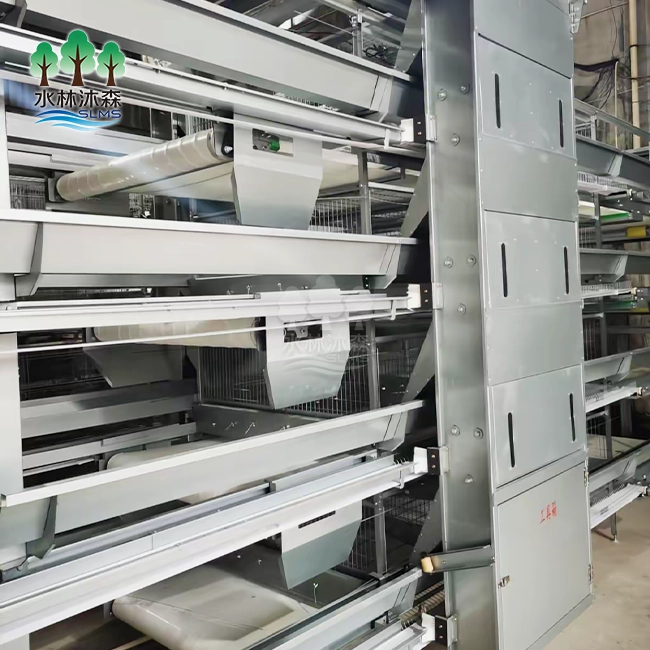
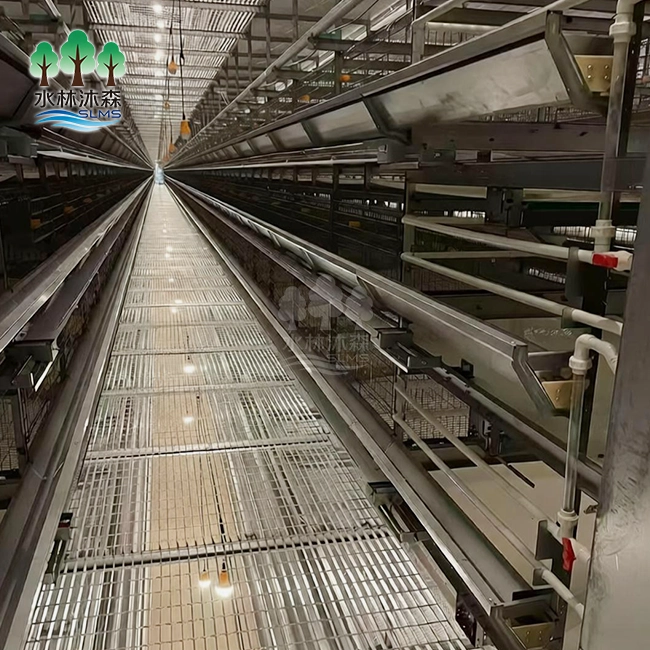
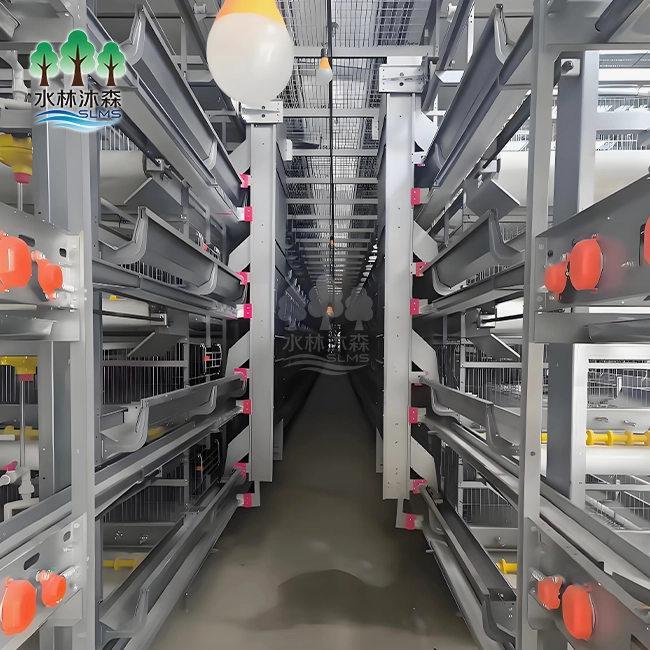
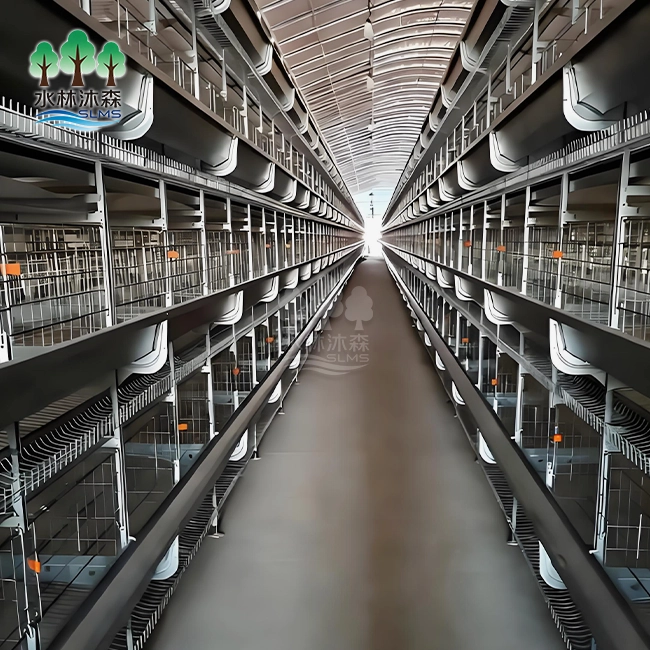
A Poultry Shed Rail-mounted Feeding Vehicle is made up of three combined parts that work together. The fixed rail infrastructure, which is usually made of hot-dip galvanized square tube, runs along the length of the shed, parallel to the rows of cages. The mobile feeding car, which has a hopper assembly, a precise dispensing device, and a control interface, moves along these tracks. To make sure they work reliably, modern systems have safety features like sensors that look for obstacles, emergency stop buttons, and overload protection.
The delivery device is the system's most important piece of technology. Auger-driven or gravity-flow movable slides can handle different types of feed, from mash to pellets, and keep the flow rates constant no matter how dense the feed is. Advanced models achieve distribution regularity of more than 95%, making sure that every bird has the same access to food no matter where its cage is located in the shed.
Electric vs. Manual Operation Models
Electric systems use recharging battery packs that work at 24V or 48V. This allows them to be operated cordlessly for several daily feeding rounds without having to be pushed by hand. These units work with programmable logic controllers, which give workers a central way to control feeding times, change travel speeds, and keep an eye on how the system is running. For smaller activities, manual models are a cheaper option, but an operator needs to be present during feeding rounds.
Which operational method to use varies on the size of the building and the availability of workers. Fully automatic electric systems usually give faster ROI to operations that care for more than 50,000 birds because they save time and labor. Smaller family farms, on the other hand, may find that manual systems work well for their work flow.
Compatibility with Existing Infrastructure
Poultry Shed Rail-mounted Feeding Vehicle can be used for both new building and repairs. For installation in current facilities, the walkway needs to be at least 80 to 100 cm wide, and the height of the troughs needs to be the same across all cage rows. The method can be used for sheds that are 50 to 200 meters long, and it can be changed to fit specific design needs. Stackable designs work with 3- and 4-layer cages, and multi-level ports feed all tiers at the same time in a single pass.
Top Benefits of Using Rail-Mounted Feeding Vehicles in Poultry Sheds
Enhanced Feeding Precision and Feed Conversion Optimization
When giving by hand, there will always be inconsistencies in distribution. Birds that are closer to feeding areas eat too much, while birds that are farther away don't get enough food. This makes size differences that make flock management and market timing harder. The Poultry Shed Rail-mounted Feeding Vehicle gets rid of this problem by calibrating the pouring so that each cage row gets the same amount.
This accuracy directly raises feed conversion rates, which are the important numbers that connect feed input to production output. Competitive feeding habits that cause stress and waste of energy can't happen when there is uniform spread. Studies show that automatic systems that are properly calibrated can improve FCR by 3–8% compared to human methods. This can save a lot of money over the course of a production cycle. Even a 5% increase in FCR can save a 50,000-bird layer farm thousands of dollars a year in feed costs.
The system also deals with feed waste, which is a constant cost for chicken farms. With traditional ways, things often spill while being moved and pools get too full. Automated delivery cuts down on waste to almost nothing, making sure that bought feed is used to make things instead of being thrown away, which costs money.
Dramatic Labor Cost Reduction
In the chicken industry, labor is one of the most changeable costs. For manual feeding, workers have to walk along the lengths of the shed several times a day while pushing heavy carts or carrying feed buckets. This physical demand raises safety issues, narrows the group of people who can be hired, and costs a lot in wages every month.
In serving operations, Poultry Shed Rail-mounted Feeding Vehicle cut the need for workers by more than 60%. Instead of having separate food staff for each site, a single operator can program and keep an eye on vehicles for multiple sheds. The labor savings add up over the course of a production cycle, and the payback time is usually between 18 and 36 months, based on the size of the facility and the wage rates in the area.
In addition to directly lowering wages, automation solves problems with worker supply that are becoming more and more common in agriculture. There aren't enough workers in rural places, and it's hard to find regular staff for physically demanding poultry work. Automated systems make it less important to have people available to do manual work, so food plans stay the same even if staffing changes.
Superior Biosecurity and Flock Health Protection
For intensive chicken farms, keeping diseases from spreading is a vital issue. Avian flu, Newcastle disease, and bacterial infections can quickly spread through groups with a lot of birds, which could wipe out whole bands. Pathogens are mostly spread by people who move between sites or go into contaminated places.
Poultry Shed Rail-mounted Feeding Vehicle make it very hard for people to get into working areas. Cross-contamination risks are lower when food cycles are done by automated systems instead of people being in the sheds. This control is especially important during disease outbreaks, when people can't move around as much to protect sites that aren't affected.
Electric vehicles run steadily and quietly, which makes flocks less stressed than unpredictable human activity or noisy feeders pulled by tractors. Lower amounts of worry are linked to better immune function, more stable egg production, and lower death rates, all of which increase profits.
Extended Equipment Longevity and Durability
Extreme working conditions can be found in commercial chicken settings. High levels of ammonia, moisture, changes in temperature, and contact to corrosive waste all break down standard-material equipment very quickly. To protect an investment, you need something that is purpose-built to last.
For important structural parts, good Poultry Shed Rail-mounted Feeding Vehicle use hot-dip galvanized steel with a 275g/m² zinc covering or stainless steel 304. This choice of material is very resistant to corrosion, so it should last between 10 and 15 years under standard working conditions. The galvanized square and rectangular tube structure stays structurally sound even though it is constantly exposed to the elements.
The ability to easily reach parts makes repair tasks easier. The modular design makes it easy to quickly change worn-out parts like wheels, bearings, and serving augers, even if you don't know much about technology. This serviceability cuts down on downtime and makes the system last longer, saving the large original investment.
Maintenance and Installation Best Practices for Rail-Mounted Feeding Vehicles
Professional Installation Requirements
The performance and life of a system are directly affected by how well it is installed. Accurate train alignment is necessary—tolerances of within ±2mm make sure that vehicles run smoothly without too much wheel wear or the risk of accident. The Poultry Shed Rail-mounted Feeding Vehicle requires professional construction teams using laser alignment tools to make sure that the tracks are perfectly aligned across the lengths of the shed, taking into account differences in the concrete floor and the supports for the structure.
To work with current cage systems, the heights and widths of the troughs need to be carefully measured. In order for stacked setups to work, dispensing chutes must line up perfectly with trough openings on all levels. This keeps feed from spilling out and makes sure that it is distributed efficiently. For automated systems, the electrical connections need to be weatherproofed and have circuit safety that works in rural settings.
Weifang Shuilin Musen Aquaculture Equipment Co., Ltd. has been installing equipment on-site for eight years and is very good at what they do. Our professional teams finish installation jobs quickly while making sure they follow safety rules and set up the system correctly. We also offer full installation vids and technical documentation for clients who would rather do the work themselves with help from afar.
Preventive Maintenance Protocols
Maintaining systems reliably and avoiding costly downtime through regular repair plans is important. Visual checks every day find clear problems like train obstructions, loose fasteners, or feed buildup that needs to be cleaned. Every week, tasks like checking the battery charge, lubricating the wheel bearings, and checking the dispensing device for proper feed flow are done.
Comprehensive service done once a month takes care of wear parts. Wear signs must be used to check for and repair auger flights, chain drives, and hopper seals on a regular basis. Control system tests check that sensors work, that the emergency stop button works, and that the code is correct. These preventative steps find problems as they start to happen, before they get so bad that they need to be fixed right away during busy production times.
Strong engineering in quality systems reduces the need for upkeep. Our cars have easily available part layouts that let them be serviced quickly without having to take them apart in large pieces. Critical parts meet strict industry standards for resistance to temperature, security against wetness, and prevention of corrosion. This makes sure that they work reliably between repair periods.
Technical Support Infrastructure
When you have reliable technical help, your equipment can become a useful partner. Quick troubleshooting help answers practical questions quickly, avoiding long periods of downtime that mess up food plans and hurt the well-being of the flock. Full support includes help with installation, programming, training in upkeep, and making sure that the parts supply chain works.
We offer full technical paperwork in easy-to-read forms, such as operational instructions, upkeep schedules, and troubleshooting flowcharts. Our engineering team is always reachable through a variety of methods to answer technical questions, suggest ways to improve operations, and do remote tests when problems happen. This support infrastructure makes sure that clients get the most out of their investments for as long as the system works.
Rail-Mounted Feeding Vehicles vs. Traditional Poultry Feeders: Making the Right Choice
Comparative Performance Analysis
Traditional ways of feeding, like hand cart systems, chain feeders, and auger lines, all have their own problems. Manual carts require constant work and make delivery less reliable. Chain feeder systems need a lot of equipment to be set up, and they aren't always reliable because feed can get stuck and be spread out unevenly. Automation is possible with Auger lines, but they are not as flexible or accurate as Poultry Shed Rail-mounted Feeding Vehicle.
Programmable pouring control in rail systems makes filling more accurate. The mobile car method lets you change the speed and pause features, so it can work with different types of feed and flock needs. The Poultry Shed Rail-mounted Feeding Vehicle, unlike fixed chain systems, focuses resources where they are needed, making it useful in sites with different shed layouts or specific feeding areas.
Operational freedom is another important benefit. Poultry Shed Rail-mounted Feeding Vehicle can easily adapt to changing production needs, such as different bird ages, breed types, or nutritional programs, by making simple changes to their code instead of reconfiguring their mechanical parts. This flexibility lets you use a variety of management techniques, such as limited feeding for breeder flocks or regular small-batch feeding while raising pullets.
Return on Investment Calculation
Poultry Shed Rail-mounted Feeding Vehicle require a bigger initial investment than regular equipment, which makes cost-conscious managers hesitant to use them. A full ROI study, on the other hand, shows faster payback through multiple savings lines. Labor cost decrease usually accounts for 40 to 60 percent of food process costs. 3.7% to 7% of the cost of feed is saved by reducing waste. More percentage points of productivity gain come from better FCR.
A typical estimate for a process with 50,000 layers shows strong economics. Each year, saving $25,000 on work, cutting down on feed waste by $15,000, and improving FCR by $20,000 add up to $60,000 in benefits. For a $45,000 to $75,000 system, the payback time is between 18 and 30 months. After that, the savings directly add to profits for the next 10 to 15 years that the system is in use.
Poultry Shed Rail-mounted Feeding Vehicle are especially appealing to operations that want to grow. The technology makes it possible for current employees to handle larger bird populations without having to hire more people. This supports scalable growth that lowers the cost of production per unit.
Procurement and Brand Selection Guide for B2B Clients
Critical Supplier Evaluation Criteria
How well equipment works rests a lot on how well it was made and how reliable the seller is. Suppliers with a good reputation show a background of operations that can be checked, tech know-how, and thorough quality control systems. Look for companies that have dedicated research and development teams that are constantly working to make products better instead of just offering generic designs.
Certification and compliance paperwork show that standards are being met. Suppliers of good quality give thorough specs, such as material certifications for galvanized steel, electrical system ratings for farming settings, and paperwork for safety features. Comparing rival goods can be done with confidence when technical information is clear.
The level of the after-sales service is what sets good providers apart from great partners. A full warranty that covers parts and work for at least one year shows that the maker is confident in the product's durability. Just as important is a professional support system that can respond quickly and help with installation, troubleshooting, and making sure that parts are always available for the life of the equipment.
Customization Capabilities and Technical Partnership
Standard equipment doesn't always work properly in every building. Different poultry businesses have very different shed sizes, cage layouts, and operational tastes. Superior providers offer a wide range of customization options, including changing the lengths of the rails, the sizes of the hoppers, the layouts of the dispensers, and the control systems to fit the needs of each facility.
Customization is more of a core competency than a luxury service at Weifang Shuilin Musen Aquaculture Equipment Co., Ltd. Our engineering team works directly with clients to create the best system setups that fit their exact shed needs, cage layouts, and working tastes. Instead of settling for general solutions, this customized method guarantees the best performance and efficiency.
The technical relationship goes beyond just selling the tools. We keep in touch with our clients on a regular basis, giving them advice on how to improve processes, upgrade choices as technology changes, and help with planning for growth as their businesses expand. This way of working together makes sure that our success is linked to the productivity and profitability of our clients.
Understanding Total Cost of Ownership
The price of the tools is only one part of the expense. The total cost of ownership includes the cost of installation, the amount of energy used during activity, the cost of upkeep, and the expected length of service life. A thorough analysis shows that high-end systems that cost more at first often provide better long-term value through less upkeep, longer service life, and more reliable performance.
Energy efficiency changes a lot from one machine to the next. Newer electric cars with lithium batteries use less power and stay charged longer than older ones with lead-acid batteries, which lowers operating costs over thousands of feeding cycles. High-quality parts lower the number of times they need to be maintained and the cost of replacing them, which further lowers the total costs.
Supplier image affects things that aren't as obvious but are still very important. Costly downtime can be avoided with reliable expert help. Making sure that parts are available quickly cuts down on emergency costs and production delays. Strong relationships with suppliers give you access to new products and upgrades that make the system more valuable than what you paid for it for.
Conclusion
Poultry Shed Rail-mounted Feeding Vehicle are a game-changing piece of technology for business poultry farms that want to gain a competitive edge through operational efficiency. Precision feeding, big time saves on labor, better biosecurity, and long-lasting sturdiness all work together to solve the main economic and management problems that modern heavy production faces.
Even though the initial investment is higher than for standard equipment, the faster return on investment (ROI) through multiple efficiency gains makes it an appealing choice for medium- to large-scale businesses. To make implementation work, you need to carefully choose your supplier, have them install the system professionally, and keep up with the upkeep. These are all investments that protect equipment longevity and boost productivity gains over a longer service life.
FAQ
How does automated feeding improve bird health and production?
With Poultry Shed Rail-mounted Feeding Vehicle, feed is distributed evenly, so every bird gets the same amount of nutrition no matter where it is in the cage. This level of regularity stops competitive feeding habits that lead to stress and wasted energy. This helps keep egg production steady and flock growth even. Pathogens are less likely to be exposed when fewer people come in. This protects safety and lowers the risk of diseases that hurt output.
What installation requirements apply to existing facilities?
For retrofitting to work, the path needs to be wide enough (usually 80–100 cm), the concrete floor needs to be level, and the trough height needs to be the same across all cage rows. For rail placement, expansion bolts are used to attach galvanized track to concrete, and the track must be perfectly aligned within ±2 mm. For farm settings, electrical systems need connections that can withstand the weather and the right kind of circuit safety.
How much maintenance do these systems require?
Visual checks are done every day to look for problems and blockages. Checking the batteries and lubricating are weekly chores. Comprehensive service done once a month checks for wear on parts and does tests on the control system. High-quality systems with strong engineering require less upkeep, and easily available part layouts make service quick.
Ready to Transform Your Poultry Feeding Operations?
Weifang Shuilin Musen Aquaculture Equipment Co., Ltd. has eight years of experience in manufacturing farming and livestock equipment. They offer rail-mounted feeding systems that are designed to work in settings with a lot of chickens. Our systems are hot-dip galvanized for a 10–15-year lifespan, can be customized to fit the exact needs of your shed, and come with full support, including installation services and a one-year guarantee.
As a well-known company that does its own research and development, we offer full feeding automation options along with quick expert help and a steady supply of parts. Get in touch with our engineering team at wangshuaislms@gmail.com to get system design advice that is tailored to your unique needs and goals for efficiency.
References
1. Appleby, M.C., Mench, J.A., & Hughes, B.O. (2004). Poultry Behaviour and Welfare. CABI Publishing.
2. Aviagen. (2018). Feeding Systems for Commercial Poultry: Design and Management Considerations. Aviagen Technical Reports.
3. Fournel, S., Rousseau, A.N., & Laberge, B. (2017). "Rethinking environment control strategy of confined animal housing systems through precision livestock farming." Biosystems Engineering, 155, 96-123.
4. Lacy, M.P. & Czarick, M. (1992). "Mechanical Feeding Systems for Poultry." Poultry Science and Technology Guide Number 10, University of Georgia Cooperative Extension.
5. Refined Poultry Management. (2019). Automation in Layer Houses: Feed Distribution Technology and Economic Impact. Agricultural Engineering Journal.
6. Van Horne, P.L.M. & Bondt, N. (2017). Competitiveness of the EU Poultry Meat Sector: International Comparison Base Year 2015. Wageningen Economic Research Report 2017-005.
Learn about our latest products and discounts through SMS or email