Top Egg Chicken Cage System for Large Commercial Poultry Farms
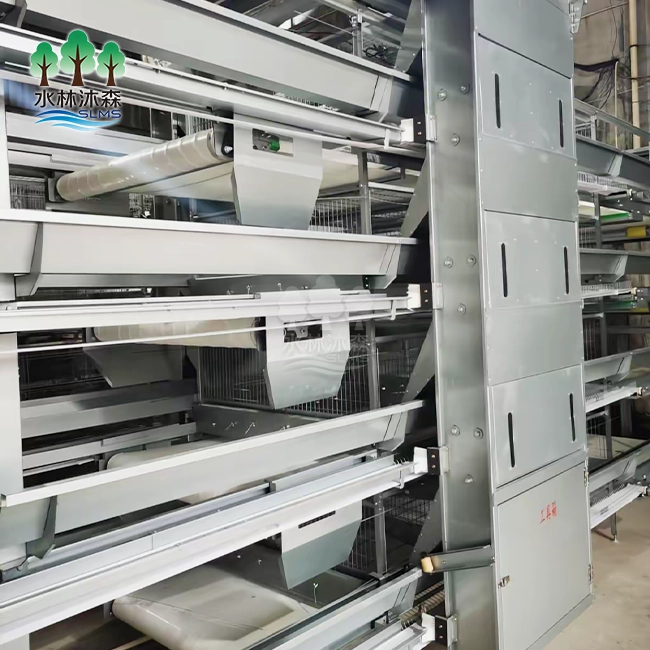
When large commercial poultry farms search for housing solutions that deliver maximum production capacity within limited space, the eight-tier layer cage system stands out as the optimal choice. This advanced vertical housing configuration utilizes H-type framework engineering to stack eight levels of cages securely, increasing stocking density by approximately 300-400% compared to conventional three or four-tier systems on the same footprint.
The eight-tier layer cage addresses critical industry challenges including land scarcity, labor inefficiency, and biosecurity concerns while supporting fully automated feeding, watering, and manure removal operations. This comprehensive guide explores how this innovative system transforms commercial egg production through intelligent design and proven performance.


Understanding Eight-Tier Layer Cages: Features, Benefits, and Applications
Multi-tiered chicken coops are a big step forward in the technology used to make industrial eggs. The Eight-tier Layer Cage is designed for large-scale businesses that take care of between 50,000 and over 200,000 laying hens in a single location.
Structural Engineering and Material Quality
High-quality materials and careful planning are the building blocks of any multi-level cage system that works well. Our Eight-tier Layer Cages use Q235 high-strength steel wire that has been hot-dip galvanised more than 275g/m² thick on the zinc finish. This standard makes sure that equipment won't rust in the highly acidic environment that chicken dung creates, which means that it will last longer than 15 years. The H-type frame evenly distributes weight across load-bearing columns, which stops the structure from bending, which can damage automated systems. Each cage unit is 45 cm long, 450 cm wide, and has a carefully designed 10-degree slope at the bottom that lets eggs roll gently into collection troughs without breaking.
Automation Integration Capabilities
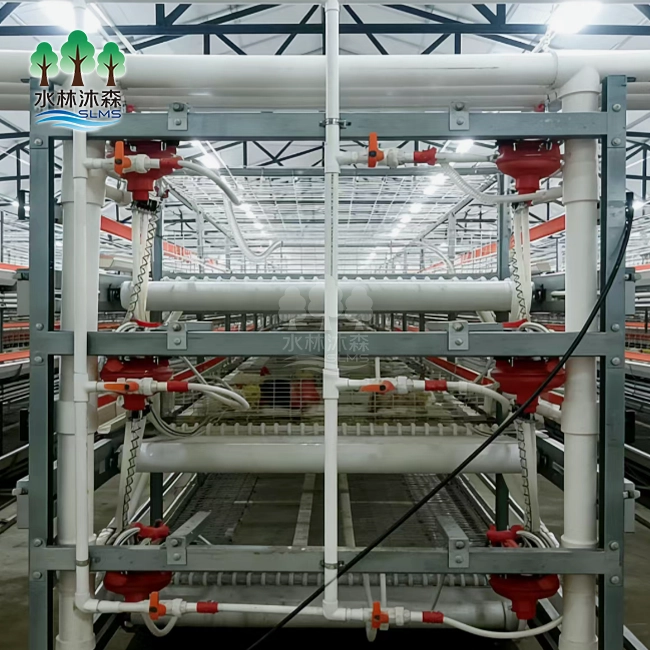
In today's business world, housing facilities and automatic management systems need to work together without any problems. The Eight-tier Layer Cage allows for controlled feeding chains that give the right amount of food to each level, cutting down on the 40% of work that is usually wasted when feeding by hand. Installing nibble drinking systems at the right heights makes sure that animals can always get water while keeping the litter dry. The automated dung removal system has PP belts under each level. These belts separate the waste from the birds, which lowers the amount of ammonia by up to 70% compared to deep-litter systems.
Density Optimization and Bird Welfare Balance
Stocking density has a direct effect on both profits and the health of the flock. Our systems stick to a density standard of 40 kg/m², which strikes a balance between output efficiency and animal care needs. This density gives people enough room to move around while also making the best use of the space. The vertical space between the levels allows air to flow properly, and the open wire design allows air flow that keeps lung diseases that are common in busy places at bay.
Comparing Eight-Tier Layer Cages with Alternative Poultry Housing Systems
To choose the right housing infrastructure, you need to know how different systems work in terms of the operational measures that mean most to commercial producers.
Space Utilization and Land Cost Recovery
Traditional floor-based homes can hold between 6 and 8 birds per square metre. Three-tiered boxes can hold between 18 and 22 birds. In Eight-tier Layer Cage designs, there are more than 50 birds per square metre of floor room. This means big financial benefits for farms that work in places where land costs are high and require a lot of cash investment. Traditional coops take up about 4,000 to 5,000 square meters of space to house 100,000 birds. An Eight-tier Layer Cage, on the other hand, can do the same job in less than 2,000 square meters, which means that much less land is needed.
Labor Efficiency and Operational Costs
In traditional methods, a lot of time is spent collecting eggs, feeding them, and cleaning the facility by hand. Eight-tier Layer Cage automated setups greatly lower the amount of work that needs to be done. Through centralised control systems, one technician can effectively watch over and take care of 50,000 to 60,000 birds, whereas 8 to 10 workers would be needed for the same number of birds in traditional housing. This decrease in labour costs saves more than $200,000 a year for a 100,000-bird business, which cuts the time it takes to get a return on investment by a large amount.
Production Performance and Egg Quality
Environmental control has a direct effect on how well hens lay eggs and the quality of those eggs. The Eight-tier Layer Cage integrated manure removal keeps things cleaner, which lowers the risk of germ pollution. Diseases happen less often in places that are cleaner, which lowers medical costs and death rates. The gentle mechanism for collecting eggs keeps them from breaking. Breakage rates are usually less than 1.5%, compared to 3-5% in systems that require manual collection. All of these things work together to increase the number of eggs that can be sold and help farmers make more money.
How to Select and Procure the Best Eight-Tier Layer Cage System
For buying to go well, many technical and business factors must be taken into account, as they affect how well the system works in the long run and how quickly the investment is returned.
Assessing Farm Capacity and Infrastructure Requirements
Before hiring providers, operations managers should figure out exactly how much capacity they need based on their production goals and the size of their building. Eight-tier Layer Cages put a lot of point loads on building foundations, so they need strengthened concrete footings that are at least 30 to 50 cm deep, based on the type of soil.
The building's height needs to be right for the system's vertical reach and give enough room for the manure belt mechanisms and maintenance access. Eight-tier Layer Cage setups usually need roof heights of at least 5.5 to 6 meters in buildings. Automated food chains, lighting systems, and ventilation equipment all need electrical infrastructure to work. For sites that care for more than 100,000 birds, this usually means a three-phase power source with a capacity of more than 200kW.
Evaluating Supplier Credentials and Support Services
Choosing the right supplier has a big effect on the success of operations. Weifang Shuilin Musen Aquaculture Equipment Co., Ltd. has eight years of experience in manufacturing machinery for farming and raising animals. They also have a professional R&D team of five engineers who are always coming up with new ways to solve problems. Our quality control system checks every step of the production process, from checking the raw materials to trying the finished product before it is sent out.
We give you a lot of technical information, like videos on how to install things and operating guides that make deployment easier, along with detailed specifications for our Eight-tier Layer Cage system. Our on-site installation service gets rid of common setup problems so systems work at their best right away. The one-year guarantee protects your purchase and shows that we believe the tools will last.
Customization Options and Scalability Planning
Customised configurations that take into account facility limitations and management tastes are helpful for large businesses. We can change the number of cage units, the specs of the feeding system, and the way the air is integrated to meet your exact needs. Phased growth is possible with modular design, which lets operations gradually increase capacity as market demand rises without having to replace current infrastructure.
Step-by-Step Guide to Assembling and Maintaining Eight-Tier Layer Cages
Whether multi-tier systems work as promised over their entire operational life depends on how well they are installed and maintained.
Installation Process and Best Practices
Installation begins with making sure the base is perfectly lined up. Even small differences can make it hard for the manure belt to move and put stress on the structure. Our expert team helps on-site to make sure that the H-frame uprights are perfectly lined up with the anchor points in the ground. Assembling goes on tier by tier, paying close attention to the tightness of the wire mesh and the stability of the connection points.
At each level, precise measuring tools must be used to make sure that the 10-degree egg collection slope is correct. For automated feeding chains to give feed consistently and without spilling or bridging, they need to be placed exactly where they need to be. Nipple drinker heights are changed based on the needs of each bird breed to make sure that birds can get to water easily and spend as little as possible.
Routine Maintenance Requirements
Daily checks should be made to make sure the manure belt is working and to look for tracking issues that could lead to spills between layers. Weekly cleaning schedules get rid of dust that has built up on wire surfaces and make sure the nipple drinker works. As part of the monthly maintenance, moving parts in feeding mechanisms are oiled and wire connections are checked for wear. The hot-dip galvanised covering is very resistant to rust, but in places with a lot of humidity, high-wear areas may need to be touched up every year. Keeping detailed repair logs helps you find problems that keep happening and make the best use of your new part inventory.
Troubleshooting Common Operational Challenges
A common problem in tall vertical systems is that the bottom and top tiers can have different temperatures. Negative pressure ventilation with air speeds of 3.5 to 4.0 meters per second and deflector plates that send cool air to higher levels keep the temperature difference below 2°C, which is especially critical for multi-level structures like our Eight-tier Layer Cage.
When the number of broken eggs goes up, it usually means that the collection slope angles are off or that the collection belt surfaces are worn and need to be adjusted or replaced. Feed bridging in distribution chains is usually caused by hoppers not being placed correctly or being contaminated with moisture. This can be fixed by recalibrating the system and making storage better for the feed.
Industry Trends and Future Outlook for Egg Chicken Cage Systems
The market for commercial poultry equipment is still changing very quickly. This is because of new technologies and changing rules that change how operations need to be run.
Automation and Smart Technology Integration
More and more, modern cage systems have Internet of Things sensors that keep an eye on the environment, the amount of food being eaten, and the number of eggs being laid in real time. These data lines make it possible to plan predictive maintenance, which stops machine breakdowns before they cause problems with operations. Artificial intelligence programs look at production trends and suggest the best times to feed the birds and changes that should be made to the environment to get the best egg production. Integration with enterprise resource planning systems gives managers a full picture of how things are running, which helps them make smart decisions.
Sustainability and Regulatory Compliance
Environmental laws are having a bigger effect on the specs of tools. Better systems for managing manure cut down on ammonia emissions and make it easier to process waste for use as fertiliser in agriculture. Energy-efficient LED lighting systems use less electricity and control the spectrum in a way that helps birds' circadian rhythms. As standards for animal care change, especially in North America and Europe, cage designs include parts that allow animals to behave naturally while still keeping production costs low.
Conclusion
Eight-tier Layer Cage systems are the best way to raise chickens for commercial use because they make the best use of space, use labour efficiently, and produce high-quality eggs. The main problems that modern chicken farms face can be solved by using strong engineering, full automation, and smart design together. To have a successful execution, you need to carefully choose your suppliers, plan everything out, and be dedicated to doing regular upkeep. Businesses that buy high-quality systems from manufacturers with a lot of experience will be able to stay ahead of the competition in markets that are getting more demanding.
FAQ
What advantages do eight-tier systems provide over traditional housing?
Eight-tier Layer Cage designs let 300–400% more birds live in the same area, which greatly lowers the cost of land per bird. Integrated technology cuts the need for workers by more than 60%, and better cleanliness control lowers the number of diseases and deaths. All of these things shorten the time it takes for an investment to pay off to 2.5 to 3.5 years.
How long does installation typically require?
Installation times depend on the size of the facility and how ready the site is. It usually takes three to four weeks to fully install a system that feeds, waters and removes bird waste in a building that houses 100,000 birds. Our on-site expert help speeds up deployment and makes sure everything is set up correctly.
Can systems be customized for specific operational requirements?
Of course. When it comes to your facility's limitations and management tastes, we can change the cage's size, the distance between tiers, the capacity of the food system, and the way automation is integrated. Our engineering team works with clients to come up with the best configurations for their specific operational problems.
Partner with a Trusted Eight-Tier Layer Cage Manufacturer
Shuilin Musen Aquaculture Equipment Co., Ltd. provides tested and reliable Eight-tier Layer Cage options for demanding business operations. Our eight years of experience in the field, along with ongoing research and development (R&D) and strict quality control, ensures that the equipment we sell works effectively for a long time. We help our clients with all parts of the buying process, from the first meeting to the installation and beyond.
Our full service includes technical documentation, installation guides, help with setup on-site, and safety for one year under our guarantee. Email our team at wangshuaislms@gmail.com to talk about your specific needs and get detailed specifications that are made to fit your business. Visit slms-equipment.com to see all of our products and learn how our Eight-tier Layer Cage systems can increase the efficiency and profitability of your poultry production.
References
1. Johnson, M.R., & Williams, K.P. (2021). Advances in Commercial Poultry Housing Systems: Engineering and Management Perspectives. American Poultry Science Association.
2. Chen, L., & Rodriguez, F. (2020). Vertical Integration in Layer Hen Production: Infrastructure and Economic Analysis. Journal of Applied Poultry Research, 29(4), 892-906.
3. Dawson, T.L. (2022). Automation Technologies in Modern Egg Production Facilities. International Poultry Equipment Manufacturers Association.
4. Harper, S.E., & Thompson, D.J. (2019). Material Science Applications in Agricultural Equipment Durability. Agricultural Engineering International, 21(3), 156-172.
5. Patterson, R.G. (2023). Economic Modeling of High-Density Layer Housing Systems in North American Markets. Poultry Business Economics Review, 18(2), 45-61.
6. Zhang, Q., & Anderson, K.M. (2020). Welfare Standards and Production Efficiency in Multi-Tier Cage Systems. World's Poultry Science Journal, 76(1), 112-128.
Learn about our latest products and discounts through SMS or email