What are the common sizes for bulk chicken feed tanks?
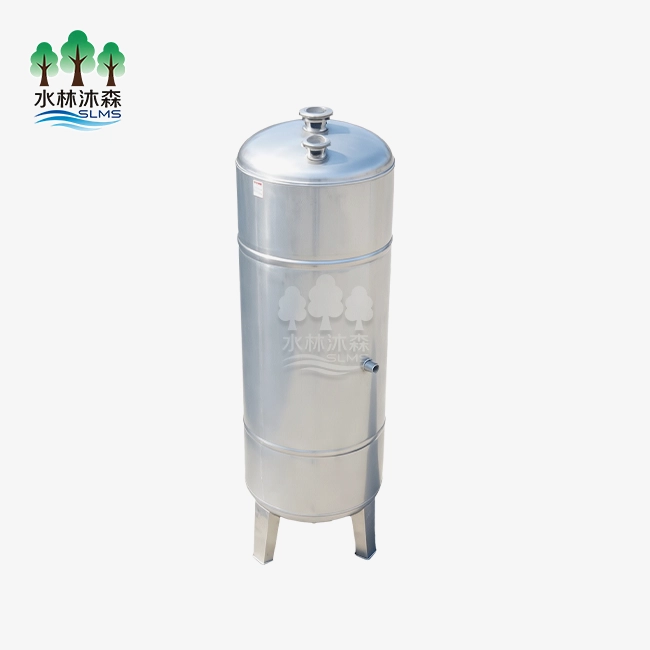
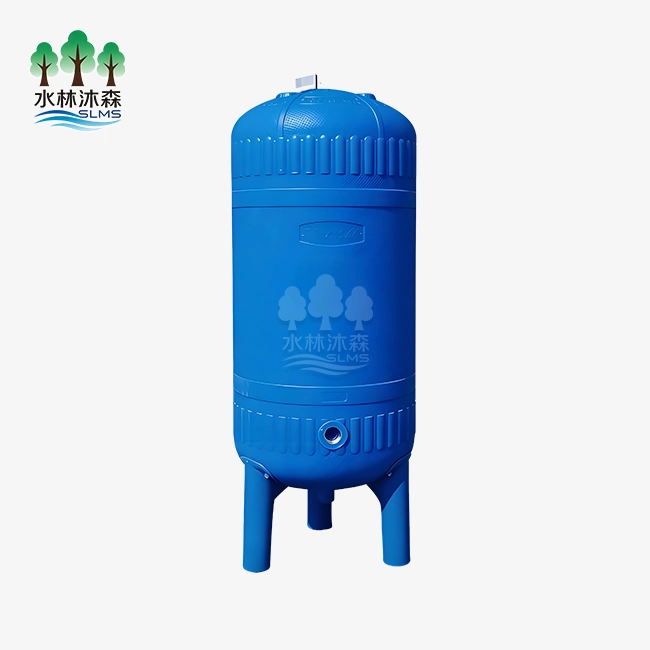
The storing capacity of bulk chicken feed tanks is usually between 5 and 30 tons, which is equal to about 6,000 to 36,000 liters. Ten-ton, fifteen-ton, and twenty-ton units are the most popular sizes for large poultry operations. These units are made to safely store feed pellets, mash, or crumbs. A good Chicken Farm Bulk Feed Tank is the right size for your daily feed usage rate times the amount of time you want to store it, which is usually 7 to 14 days. This will make sure you always have feed while keeping it fresh and full of nutrients.


Understanding Bulk Chicken Feed Tanks: Overview and Key Dimensions
Bulk feed storage systems are the main way that feed suppliers talk to automatic equipment inside chicken houses that distributes food. These vertical bins are linked to auger conveyors or chain feeding lines that feed thousands of birds at set times with exact meals. How big a tank should be based on three main factors: the size of the group, the feed conversion ratio (FCR), and how often the tank should be refilled.
Material Construction and Durability Factors
Most commercial-grade tanks are made of hot-dip galvanized steel sheets that have zinc coats that range from 275 g/m² to 600 g/m². These coatings protect the steel from rusting when exposed to ammonia vapors and water. Corrugated wall designs on high-quality units make the structure more rigid while lowering the weight of the materials.
The hopper part usually keeps the release angle at 60 degrees, which is important to make sure that the chicken mash flows smoothly without stopping or getting clogged. Fiberglass-reinforced plastic (FRP) is an alternative material that is better at keeping heat in, but steel is still the standard because it is cheap and lasts a long time.
Capacity Ranges and Feed Consumption Calculations
Tank sizes range from small 5-ton types that are good for starting farms to large 30-ton industrial units that are used by farms with more than 100,000 birds. A broiler house with 20,000 birds that eat an average of 120 grams of food every day needs about 2.4 tons of feed every day. Multiplying by a 10-day storage cushion gives you a 24-ton tank, but many farms choose 15-ton units with more frequent supply to keep the feed as fresh as possible. Because the amount of calcium in mash formulations changes, which affects bulk density and flow properties, layer processes require different formulas.
Integration with Automated Feeding Systems
For a smooth mechanical link, the tank outlet size must match the width of your current auger, which is usually 75mm, 90mm, or 125mm. The discharge boot assembly has precise delivery devices that use programmable controls to measure the amount of feed going into the conveyors. Modern tanks have weighing systems with load cells placed on support legs. This lets the crew see what they have in stock at all times and automatically places new orders when levels drop below certain levels. This connection gets rid of the need for human checks and stops expensive stock-outs during busy production times.
Common Sizes of Bulk Feed Tanks and Their Application in Poultry Farms
The chicken machine business has standardized around a few levels of output that are similar to the sizes of most farms. Knowing these categories helps you narrow down your choices based on how you run your business now and how you want to grow in the future.
Small-Capacity Tanks: 5 to 10 Tons
These basic boxes are good for starter farms with 5,000 to 15,000 birds or as extra storage for specific types of feed like pre-starter bits. Their small size—about 2.5 meters across and 4 meters high—makes them perfect for farms that don't have a lot of room. The 5-ton type holds about 6,000 liters of feed, which is enough for a medium-sized broiler house for three days. Installation doesn't need much site preparation, and transport to a single place can usually be done in one business day. But smaller tanks need to be refilled more often, which could make delivery costs higher per ton based on how your feed provider handles logistics.
Medium-Capacity Tanks: 12 to 18 Tons
This range is ideal for well-established businesses that take care of 20,000 to 60,000 birds. Our most-requested type is a 15-ton Chicken Farm Bulk Feed Tank, which is about 3 meters across and 5.5 meters high and can hold about 18,000 liters of water. This amount of feed lasts for 7 to 10 days, which is enough for normal broiler rounds and meets the needs for freshness while also allowing for frequent refills. Medium-sized tanks usually have extra features like two-level sensors, vibrator systems to stop feed bridging, and stronger ladder access for safe viewing. The structure can handle gas filling pressures of up to 0.5 bar, and the rubber-sealed roof hatches keep the structure watertight.
Large-Capacity Tanks: 20 to 30 Tons
These large silos are needed by industrial chicken farms with more than one house and more than 100,000 birds. A 25-ton machine is about 7 meters tall and has a base that is 3.5 meters wide. It can hold 30,000 liters of feed. Heavy-duty support systems are built into these tanks so they can handle uneven loads and wind speeds of more than 100 mph when they are empty.
Large-capacity models are worth the extra money they cost up front because they don't need to be delivered as often. One fill can feed a large operation for two weeks, which cuts down on shipping costs and the chance of a biosecurity breach from truck traffic. The hopper part is made of stronger materials so it can handle 25 tons or more pushing down on it. This keeps it from deforming, which could affect the flow consistency.
How to Choose the Right Bulk Feed Tank Size: Decision Support Approach
To choose the best tank capacity, you need to do more than just a quick bird count estimate. We suggest an approach that looks at many practical factors at the same time.
Feed Consumption Forecasting and Growth Projections
Start by writing down how much feed your chickens are currently eating every day across all of your houses. Be sure to include seasonal changes and differences in the production cycle between groups of broilers or layers of different ages. To account for sudden increases in demand or delays in supply, multiply this average by 1.2. Next, plan your three-year growth.
For example, if you want to double the number of birds you can keep, buying a bigger tank now will save you money later on when you need to replace it. Our engineering team has seen that farms that go from 10-ton tanks to 20-ton tanks within two years lose about 15% of their original investment because the new tanks are less valuable and require more work to set up.
Space Considerations and Site Infrastructure
The tank's size goes beyond the silo's body; plan for safe separation zones around the outside so that maintenance workers can get to it and in case of an emergency, repairs can be made. For pneumatic delivery trucks to get to the tank, they need a straight road with few obstacles in the way, ideally within 20 meters of the tank. For bigger units, getting the ground ready is more important than ever.
When the tank is full, it puts more than 8 tons of focused point loads on each support leg, so strengthened concrete pads with good drainage are needed to keep the ground from sinking. Check your electrical system too; automatic monitoring systems and vibrator motors need a steady power source, ideally one that can connect to a backup generator.
Automation Compatibility and Long-Term Value
Modern chicken management systems use inventory data from tanks to make detailed farm screens that show how much feed is being used and how much the birds are growing and dying. When choosing a tank size, make sure it works with the farm management software you already have or make plans to improve the system.
We offer installation videos and detailed documents that make it easier to connect to the most popular automation systems. The difference in price between a normal 15-ton tank and one with precise weighing and automated alerts is less than 8% of the total investment. However, the extra money is well spent because less work needs to be done to keep an eye on things and feed trash doesn't go bad.
Weifang Shuilin Musen Aquaculture Equipment Co., Ltd. has Chicken Farm Bulk Feed Tank options that can be fully customized for sizes ranging from 5 tons to 30 tons. Our engineering team does site studies and consumption analyses to come up with the best options for your current operations and planned future growth.
Installation and Maintenance of Bulk Chicken Feed Tanks for Optimal Performance
The right placement directly affects how long the tank lasts and how well the feed stays fresh. When site planning or building is rushed, even high-end equipment doesn't work as well as it should.
Professional Installation and Site Preparation
Both steady weight and moving forces from the gas filling must be taken into account in the foundation work. We ask for strengthened concrete pads with anchor bolts built in that are placed so that the tank legs are spaced out according to the capacity. Usually, there are four or six legs. To keep the load from being spread out unevenly and putting stress on the structure, the pad area needs to be leveled within a 5mm range.
On-site installation service makes sure that all parts are installed according to the manufacturer's instructions. This is especially important for roof assembly, since poor sealing lets water in. Within six hours, our experts finish normal 15-ton installations, which include hooking up monitoring systems and vibrator units to electricity. With the installation movies that come with each unit, your repair staff can learn the right way to put it together so that they can use it again when a part needs to be replaced.
Preventive Maintenance Protocols
How often you clean depends on the type of feed and how fast it is turned over. For example, high-fat chicken feed needs to be purged more often to keep it from going bad. Every six months, we suggest doing a full cleanup, which includes vacuuming up any leftover feed dust and checking the hopper surfaces for caking. The vibrator system needs to be checked for performance every three months.
The motor bearings should be able to rotate smoothly without making any noise or building up heat. Every year, the integrity of the gasket around the discharge boot needs to be checked. If the seals get worn down, water can get in and cause the feed to clump together and the auger to get stuck. Our free one-year warranty covers all structural parts and mechanical systems. For businesses that want more long-term help, we also offer longer service plans.
Troubleshooting Common Operational Issues
When particles get stuck together across the hopper cone, stopping the flow even though there is still stock, this is called feed bridging. This problem is closely linked to the angle of the hopper. Our 60-degree design reduces the risk of bridging, but high-moisture feed still needs the vibrator to be turned on sometimes to get the movement back.
Changing temperatures can cause condensation on the inside walls, which is another common problem. Making sure that the feed is turned over every 10 days keeps enough moisture from building up to cause mold to grow. If your operation keeps getting clogged, our technical support team can look at the distribution of feed particle size and suggest that your mill provider change the delivery specs.
Comparing Bulk Feed Tanks by Size and Features: Making an Informed Procurement Decision
Depending on the goals of the operation, each ability class has its own unique benefits. This comparison makes the trade-offs between the original investment and the long-term success more clear.
Size-Specific Feature Differentiation
Smaller tanks focus on being simple and quick to set up, so they often don't have complex tracking systems. Instead, they use simple level switches that set off low-feed alarms. Medium-sized Chicken Farm Bulk Feed Tank units are when automation features start to make financial sense. For example, our 15-ton models come with weighing systems, dual-level sensors, and customizable controls as standard.
Heavy-duty structural improvements like strengthened hopper sections and wind-load support are built into large silos. These add 20% to the cost of production but are necessary for safe operation at a large scale. The small, vertical form of all sizes keeps the ground footprint as small as possible. However, bigger units may cause local building code officials to look at height limits and setback requirements from property lines.
Energy Efficiency and Operational Control
The energy balance of the whole feed distribution system is affected by the size of the tank. supplies by bulk pneumatic use a lot less fuel per ton than supplies of bagged feed because they can hold more. However, the longer auger run distance from a big tank in the middle to houses farther away adds to the motor's load.
Our precise delivery systems make sure that flow rates are just right for the auger's capacity. This keeps the motor from getting too hot and makes sure that feed is always available. Premium models come with temperature tracking features that let managers know when spikes form that mean fermentation or spoilage is happening. This lets them act before the whole tank's contents become unsafe.
Safety Standards and Compliance Requirements
Different areas have different rules about how to store big feed, but most of them deal with things like biosecurity, electricity safety, and building stability. Tanks that can hold more than 15 tons usually need engineering certifications that prove the load calculations and wind resistance standards.
The built-in safety features, such as inspection ports, ladder systems with fall protection anchor points, and lockable entry hatches, meet OSHA safety standards for farming activities. As part of our quality control process, we put pressure on the roof gaps and use magnetic gauges to check the thickness of the galvanization. This makes sure that every unit ships with written proof of compliance that meets the audit needs of both regulatory bodies and poultry supplier partners.
Conclusion
Choosing the correct Chicken Farm Bulk Feed Tank size is a smart choice that affects both daily operations and long-term profits. From small starter farms to large industrial buildings, the 5-ton to 30-ton range can fit almost any commercial chicken scale. Medium-sized models, weighing between 12 and 18 tons, are the best mix for established businesses because they provide enough of a backup to reduce the number of deliveries needed while keeping feed fresh.
It's the technical details that matter—the quality of the galvanization, the shape of the hopper, and the ability to work with technology that separate short-term fixes from investments that will last for decades.We've seen operations improve efficiency by matching tank size to usage trends and growth paths instead of using equipment that is too small, which causes problems with logistics. Professional installation and preventative upkeep protect your investment for the 10 to 15 years it will be in use by keeping the feed quality and the structure strong.
FAQ
What factors determine the ideal tank size for my poultry operation?
The baseline estimate is made by multiplying the daily feed usage by the amount of time you want to store the food. A broiler house with 20,000 birds that eats 2.4 tons of food every day needs about 24 tons for a 10-day supply. However, most farms choose 15-ton tanks with weekly deliveries to keep the food as fresh as possible. Think about plans for growth—buying a little more space now will save you money in the long run when the flock gets bigger.
How does tank size affect maintenance requirements?
Larger tanks don't need to be cleaned as often because they are used more often, but the support frames and hopper parts need to be inspected more carefully. All sizes gain from having the vibrators checked every three months and the gaskets replaced once a year. Our expert help can make maintenance plans for you that are specific to your tank type and feed mix.
Can I customize tank specifications beyond standard sizes?
Of course. Weifang Shuilin Musen Aquaculture Equipment Co., Ltd. makes custom capacities ranging from 5 to 30 tons to fit the needs of each spot or business. We change the sizes, shapes, and configurations of the outlets and tracking systems based on your feed distribution equipment and farm management software. Our range of 5–30-ton Chicken Farm Bulk Feed Tank units can be tailored to your requirements.
Partner with a Trusted Bulk Feed Storage Solutions Provider
Choosing equipment that is reliable and made for your farm's size is the first step to improving how you handle the feed for your chickens. Weifang Shuilin Musen Aquaculture Equipment Co., Ltd. has been providing reliable bulk feed storage options for eight years in a wide range of farming settings, backed by full expert support and quick after-sales service.
Our range of 5–30-ton Chicken Farm Bulk Feed Tank models are made of high-zinc galvanized steel and come with precise delivery systems, flexible designs, and the ability to work with your current infrastructure. Email our team at wangshuaislms@gmail.com to talk about your capacity needs, get full specs, and look into prices from a reputable maker that are competitive. You can look at detailed paperwork and installation guides at slms-equipment.com, which shows that we care about your long-term success.
References
1. National Chicken Council. (2022). Feeding Systems and Equipment Guidelines for Commercial Poultry Operations. Washington, DC: National Chicken Council Publications.
2. American Society of Agricultural and Biological Engineers. (2021). ASAE Standard S413.2: Bulk Feed Bins and Structural Loads for Livestock Housing. St. Joseph, MI: ASABE Standards Committee.
3. Midwest Plan Service. (2020). Poultry Housing and Equipment Handbook, 8th Edition. Ames, IA: Iowa State University Extension.
4. Bell, D.D. and Weaver, W.D. (2021). Commercial Chicken Meat and Egg Production, 6th Edition. New York: Springer Science Publishers.
5. International Feed Industry Federation. (2023). Best Practices in Bulk Feed Storage and Handling for Intensive Livestock Operations. Geneva: IFIF Technical Committee Report.
6. Poultry Science Association. (2022). Feed Management Systems and Their Impact on Flock Performance Metrics. Journal of Applied Poultry Research, Volume 31, Issue 3.
Learn about our latest products and discounts through SMS or email