What are the essential safety features for a poultry feed silo system?
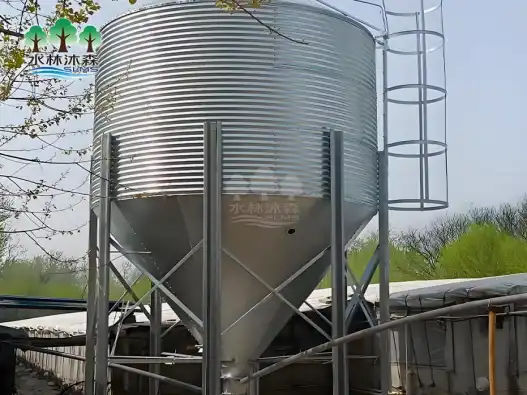
Some important safety features of a Feed Silo for Poultry system are weatherproof sealing to keep water out, corrosion-resistant building materials, advanced flow control mechanisms to avoid bridging, built-in pest barriers, level sensors for keeping track of inventory, and enough ventilation to keep condensation at bay. A properly designed Feed Silo for Poultry has safety features like ladders with guard bars, structurally stable parts like reinforced frames, and viewing holes for easy upkeep. These features work together to protect the nutritional value of the feed, lower the risk of contamination, and make sure it meets hygiene standards that are important for modern commercial chicken operations like broiler houses and layer farms.
Understanding the Risks and Challenges in Poultry Feed Silo Systems
There are specific risks that come with storing poultry feed that are very different from those that come with storing other farm goods. Modern chicken feed has a lot of protein, fats are added to make it more dense, and the particles are very small. These ingredients make the feed vulnerable in ways that general storage solutions can't fix.
Moisture-Related Contamination Hazards
The main thing that can go wrong with kept chicken feed is humidity. When the wetness level goes above 13–14%, mold starts to grow within 48–72 hours at room temperature. This biological process makes aflatoxins and other mycotoxins, which, even in small amounts, hurt the liver function of chickens and lower their immune system. When there are temperature differences between the feed mass and the walls of the silo, condensation forms. This often happens at night when it cools down or when the seasons change. When silo joints aren't sealed properly, the roof isn't protected enough, or seals are missing around inspection ports, rain can get in directly and cause wet spots where spoiling starts before spreading to the rest of the stored volume.
Structural and Mechanical Failure Risks
Feed weight, filling impact forces, and external loads like wind pressure all put steady mechanical stress on silos. Catastrophic breakdowns can happen because of bad welding, not enough galvanization, or bad base anchoring. Corrosion speeds up in places like chicken farms where ammonia fumes from nearby homes attack metal surfaces. It is most likely for the hopper cone section to crack or bend because it is where the most stress is concentrated as the whole feed mass flows downward. Abrasive feed particles wear down mechanical parts like vibrators, level sensors, and unloading gates. This causes operating breakdowns that stop feeding plans and need emergency repairs.
Pest and Biosecurity Threats
Mice and birds of prey see badly sealed silos as safe places to eat, and they move into a Feed Silo for Poultry, bringing Salmonella, E. coli and bugs into the feed. Mice can get in through a single hole as small as one centimeter, and birds can get in through gaps around fill lines or cable penetrations. When leftover feed sticks to the inside walls, insects like grain beetles and moths start to live there. They then spread to new arrivals and contaminate them with their larvae and waste. Pest activity not only hurts health, but it also breaks the law during inspections and hurts the farm's image with integrators who follow strict biosecurity procedures. The effect on the economy gets worse when contaminated feed batches need to be thrown away and replaced at high emergency prices.
Dust Explosion and Fire Hazards
When the conditions of concentration, air, ignition source, and control are all right, feed dust that is suspended in small areas can catch fire and explode. Large clouds of dust are created during pneumatic filling operations inside bunkers and on the outside of filter housings. These clouds can catch fire because of static electricity, motor bearings that are too hot, or sparks from metal-on-metal friction. The pressure waves that they create can break silo structures. Even a small amount of burning in feed piles releases harmful gases and destroys stored goods. Facilities that don't have the right grounding systems, spark monitoring equipment, or blast venting panels are more likely to have an accident, especially when they are filling a lot of containers at once and making a lot of dust. In these situations, worker safety is at risk, and the company is open to responsibility claims for more than just property loss. There is also a chance of injury claims and fines from the government.
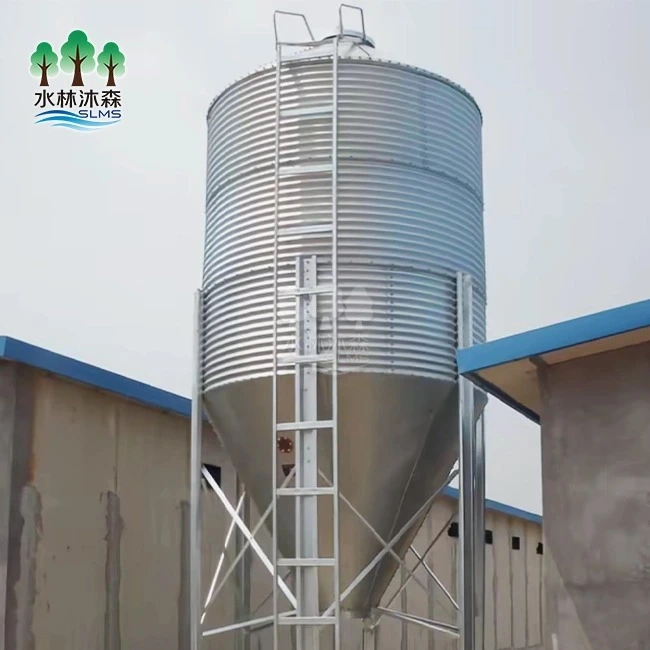
Key Safety Features Every Poultry Feed Silo System Must Have
To choose a silo system, you need to look at how different parts of the plan deal with the risks listed above. Professional-grade gear has many safety features that work together to make sure it stays safe and useful for a long time.
Corrosion-Resistant Construction Materials
Material choice is the first step in making sure that a silo lasts a long time. A high-zinc galvanized steel plate with a Z600 coating specification resists rust better than a normal Z275 coating, and can last up to 20 to 25 years, even in harsh farming settings where it is exposed to ammonia. During the galvanization process, a protected zinc layer is added. This layer gives up its own safety to protect the steel base below. Upgrading to 304 stainless steel construction completely gets rid of rust issues for businesses near the coast or in places with a lot of humidity, but it costs more up front.
In addition to the main shell material of a Feed Silo for Poultry, connection places need just as much care. To keep bolted parts from coming loose from shaking, the tools should be made of stainless steel and have locking washers. For seam welds to work, the metal must be fully penetrated and finished smoothly so that there are no cracks where water can collect. Loads are spread out widely by reinforcement ribs and support structures. This stops stress concentration, which speeds up fatigue breaking. When looking at equipment specs, make sure to check the steel thickness at different silo parts. The sides, hopper cone, and roof all have different stress profiles that need the right gauge to be chosen.
Advanced Sealing and Weather Protection Systems
Unquestionably necessary is covering that keeps out weather and pests. Multiple protection layers are used in effective systems, beginning with the roof cap. Overlapping rain shields with rubber seals stop water from getting in while letting air move around during filling. Instead of simple friction-fit lids that open and close unevenly over time, inspection port covers should have compression latches that keep pressure on the seals around the edges.
Pay close attention to the feed outlet link. Flexible boot joints that let delivery trucks move around must seal completely when they're not in use. Protective caps with springs that close automatically after filling keep rain out between deliveries. Instead of just drilling holes in the silo shell, cable and sensor wires need to go through sealed plugs or pipe fittings. Even small holes that aren't covered can let pests and water in, which weakens the whole system of defense.
Ground-level dumping systems need housings that keep the auger drives and gear reducers out of the weather. Instead of letting water touch the feed, drain holes at the lowest places let moisture escape from cleaning or condensation. This thorough closing method keeps the internal environment under control, which protects the quality of the feed no matter what the weather is like outside.
Feed Flow Control and Anti-Bridging Technology
Consistent feed discharge keeps automatic feeding plans going and stops practical interruptions. The shape of the hopper cone directly affects the flow properties. For most pelletized chicken feeds, a 60-degree cone angle works well, while steeper angles work better for finer mash formulas. When the inside of the walls are smooth, there is less friction, which can lead to bridging. This happens when the feed makes a stable arch above the exit while leaving a space below.
Mechanical vibrators on the hopper cone of a Feed Silo for Poultry break up feed bridges that get too packed even when the design is perfect. Pneumatic vibrators that are powered by compressed air or electric motor-driven tools only work when level sensors notice breaks in the flow. The frequency and amplitude of the vibrations should fit the features of the feed. Vibrations that are too strong can damage pellets, and vibrations that don't have enough energy can't move material that is stuck together.
Integrated weighing systems using load cells positioned under silo support legs provide real-time inventory tracking. This information lets you buy ahead of time, so you don't run out of stock, and it also keeps you from having to store too much food, which makes it less fresh. Monitoring the flock's weight also finds strange patterns of eating, which could mean that the equipment is broken or the flock has health problems that need to be looked into.
Comprehensive Safety Access and Monitoring Components
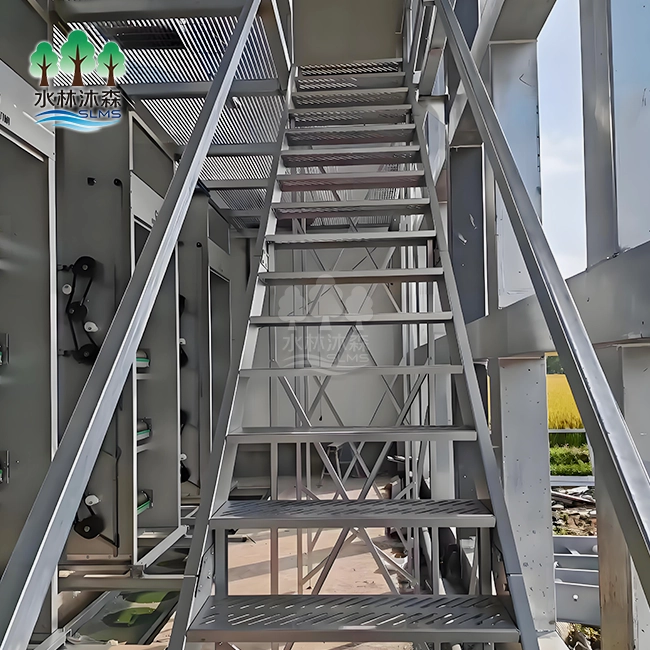
Access systems that are properly designed are necessary to keep workers safe during repair work. For people wearing harnesses who are going to roof-level viewing ports, exterior ladders should have safety cages or fall stop anchor points. Platforms with guardrails give service workers a safe place to work. There are inspection holes inside at different heights that let you see the feed levels and state without having to go into a confined area.
Level monitors that use capacitance or ultrasonic technology let workers know when the feed inventory drops below certain levels. This keeps the supply lines from running dry, which would stop feeding processes. High-level signs stop deliveries from being overfilled, which could damage roof structures or make spills dangerous. Temperature tracking finds hot spots that mean biological activity or burning, so help can be given early on, before things get much worse.
Proper grounding devices keep static electricity from building up during vacuum filling. Bonding wires that link the delivery truck to the structure of the silo balance the electricity, which stops spark release. Explosion relief plates on filter housings let air out safely if dust ignites, which protects the integrity of the main silo structure.
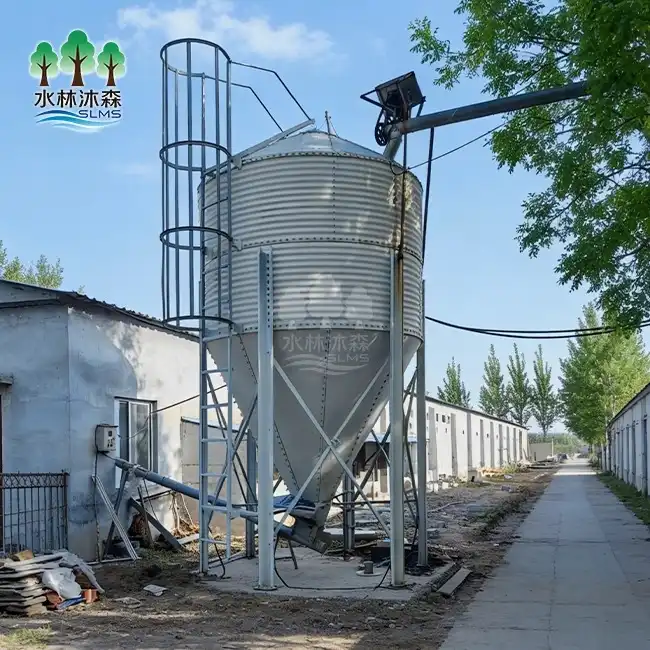
How to Choose the Right Poultry Feed Silo System for Your Business?
When making choices about what to buy, it helps to carefully compare the practical needs with the skills of the equipment that is available. This process makes sure that the chosen method works right away and is worth money in the long run.
Assessing Storage Capacity Requirements
Figure out how much feed the flock needs each day based on its size and stage of production. At peak growth, broiler farms need 15–18 kg per 100 birds every day, while layer groups need 10–12 kg per 100 birds. To find the best mix between delivery regularity and storage costs, multiply the daily usage by the amount of time you want to store the data. Most operations aim for 7–14 days of storage. This calculation figures out the minimum amount needed for a bin.
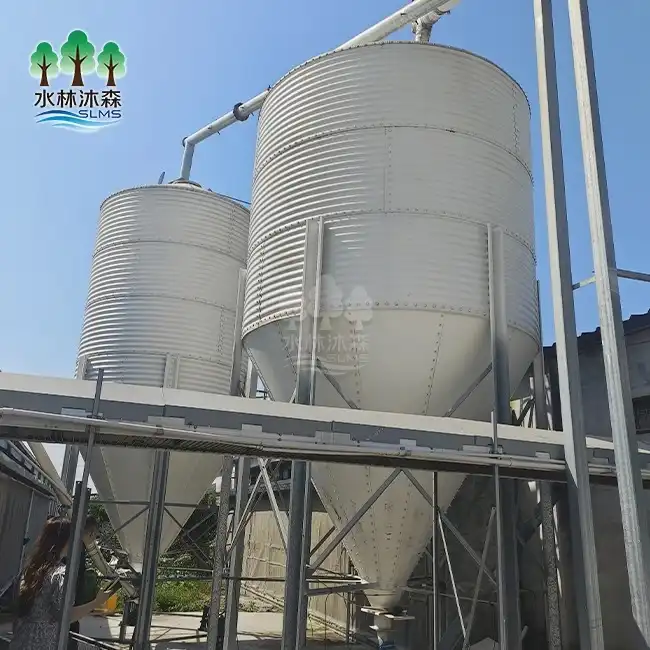
Our systems can store anywhere from 5 to 30 tons per unit, so they can be used by a wide range of businesses, from small family farms to large commercial supplier facilities. Multi-silo setups let you store different types of feed separately or increase total capacity without having to use bigger single units. Vertical silo form reduces the size of the footprint needed, which is important for places with limited space where nearby buildings or property lines make it hard to add on.
Evaluating Material and Construction Quality
Ask for particular material specs when you are comparing sources. Check the weight of the galvanization layer. Z275 is good for normal settings, while Z600 or stainless steel is better for harsh ones. Use the photos or site trips to current installations to check the quality of the welds. When welds aren't done right, they leave weak spots that can crack and rust.
Long-term dependability of a Feed Silo for Poultry is directly affected by the quality of the parts. Our systems are made up of high-quality holding frames that are made to handle structural loads as well as safety factors that account for changing filling forces. Unloading systems have heavy-duty augers with wear parts that can be replaced. Ladders meet safety standards for the workplace by having the right distance between rungs and strong side rails. The hinges and latches on inspection holes are very strong and can be used thousands of times without breaking.
Comparing Technical Support and Service Infrastructure
The usefulness of equipment relies on how well it is installed and maintained over time. We offer detailed installation videos and technical instructions that explain how to set up your products, so they are put together correctly even if you are in a faraway place. Customers can get on-site installation service if they'd rather have a professional start the system. This takes away any doubts about how to properly prepare the base, put the structure together, and connect the system to existing feed lines.
Service after the sale is what sets trusted sources apart from equipment sellers. Our one-year free guarantee covers problems with the way the product was made and broken parts. This gives you peace of mind during the important first few months of use. In addition to the warranty, the system's performance is maintained over its 10–15-year service life by providing access to replacement parts, expert support, and operating advice. Check how responsive a supplier is by asking for customer examples and finding out how long it usually takes for help to respond.
Analyzing Customization Options and Scalability
While standard equipment setups work well for many uses, they are often better when they are customized to fit the specific needs of the place or the way it is being used. We can make solutions that fit your needs, like adding more angles to the hopper cones for feeds that are hard to move, using higher-quality stainless steel for places where it will rust, or adding medicine dosing systems for therapeutic feeding programs. Customization includes changing the capacity, changing the leg height for better ground clearance, and choosing extra parts that fit with the farm's current infrastructure.
When choosing present tools, think about plans for future growth. With modular designs, you can add more silo units that are linked to the same transport systems to increase the capacity. By choosing delivery augers that are too big at first, you can handle future volume growth without having to change the whole system. This method is scalable, so it protects capital investments while keeping operational freedom as production rates rise.
Best Practices for Maintaining and Operating Poultry Feed Silos Safely
Installation is not the end of silo system management; it is the beginning. Disciplined operational processes and preventative repair protect the investment in equipment and make sure that chicken houses always get high-quality feed.
Establishing Routine Inspection Schedules
External checks done once a month find problems as they start to happen before they get worse and cause crashes. As you walk around the whole silo, look for signs of pest activity, loose bolts, rust, damaged seals, and so on. Check that the vibrator works and that the level monitor works. Check the electrical parts and ground links for damage or wear from the surroundings. Record the results of the check so that you can keep track of trends of wear and tear that help you plan maintenance.
Quarterly internal checks of a Feed Silo for Poultry require confined space entry procedures, which include testing the air quality and making sure that escape gear is ready to go. Check the inside walls for feed piles, water damage, or stains caused by wetness. Clean leftover feed that sticks to the walls and provides a place for bugs to live and mold to grow. Check welds and joints from the inside when looking at them from the outside won't show rust on the inside. These thorough inspections find problems that can't be seen from the outside and give you a chance to do a deep clean that keeps the storage area clean.
Professional structural assessments should be part of yearly full inspections to check the safety of the base, the integrity of the anchor bolts, and the building's ability to support weight. By testing parts like load cells, vibrators, and unloading motors in controlled environments, you can see how they're losing performance before they break down in real life. To keep supplies accurate, check weighing devices against known standards. Take pictures of all the problems you find and write them down. Also, keep repair records that show you're following the rules and can back up guarantee claims if needed.
Implementing Proper Filling and Discharge Procedures
Coordinate feed supplies with seller service to keep truck wait times to a minimum and make sure there are enough farm workers to watch over the filling process. Securely connect the pneumatic supply lines and make sure the grounding wire is attached before starting the transfer. Watch how the tank is filling to make sure it doesn't get too full; use level readings instead of guessing. Too much full pressure can damage silo structures or put people in danger by letting material out of holes.
As soon as the tank is full, cut off the delivery lines and make sure the safety caps close properly. Walk around the area and pick up any spilled feed that could bring bugs and make the area dirty. For FIFO management and keeping track of inventory, write down the arrival date, amount, and type of feed. This paperwork makes it possible to look into problems with feed quality and helps with meeting legal standards.
Automatic schedules should be set into feeding controllers so that discharge activities run on time. Keep an eye on the system's performance for strange sounds, movements, or patterns of power use that could mean there are problems. If you have to manually turn on the vibrator a lot, you should look into why. Bridging problems could mean that moisture is getting in, the formula has changed, or the machine is wearing out. You should fix the problem instead of taking strange behavior as normal.
Maintaining Optimal Storage Conditions
Controlling the environment keeps the nutritional value of feed intact while it is being stored. Temperature tracking finds cellular activity that is making heat before a lot of food goes bad. If temperatures are higher than normal by more than 5 to 10 degrees Celsius, you should look into it right away because that difference means things are actively getting worse and need to be fixed right away. If you live in an area with big changes in temperature or a lot of direct sunlight, you might want to put insulated or reflective-coated silos.
Managing moisture means both stopping problems and keeping an eye on them. Keep the integrity of the seals by replacing the gaskets and checking the parts on a regular basis. If you live in a wet area, you might want to think about adding more air or desiccant systems to lower the dampness inside. Use portable meters to check the stored feed's moisture content once a month. Readings higher than 13% should lead to delivery talks with sellers and more cooling efforts. If you store dirty or wet feed with the hope that it will "dry out," microbes will start growing in it right away, making it unsafe to eat.
Using FIFO to rotate inventory within a Feed Silo for Poultry keeps things from being stored for too long, which lowers the effectiveness of vitamins and speeds up the oxidation of fats. Set supply times and store space so that older feed runs out before new feed arrives, instead of letting new feed bury older material. This organizational discipline makes sure that chickens always get high-quality food, which helps them grow well and stay healthy.
Conclusion
Safety in Feed Silo for Poultry systems is more than just making sure the structure is sound. It also means protecting the quality of the feed, the well-being of workers, the continuation of operations, and, in the end, the health of the birds and the farm's bottom line. The main features we looked at here all work together to make the machine last longer: the corrosion-resistant construction lasts longer, the weatherproof sealing keeps the feed intact, the flow control mechanisms make sure the machine always works the same way, and the tracking technology lets management take action before problems happen. When weighing the original cost against the long-term value of a purchase, professionals always choose professional-grade systems that include these safety features.
Choosing the right tools is only half of the application process. You also need to be very disciplined about operations, like keeping strict inspection schedules, following the right way to fill and empty containers, and keeping an eye on storage conditions. Case studies show that investing in smart silo systems pays off in a number of ways, including less work, better feed conversion, better hygiene, and lower risk that prevents huge losses. As the production of chickens grows and government rules change, the safety features described here go from being competitive benefits to being necessary for a business to stay open.
FAQ
Q1: What routine safety checks should we perform on poultry feed silos?
A: Do external reviews once a month to check the structure's integrity, the state of the seals, and the functioning of the parts. Look for signs of pest activity, loose bolts, rust, broken gaskets, and make sure the vibrators and sensors work right. Internal checks that happen every three months need to follow limited space rules. Check the walls inside for residue buildup, moisture damage, and structural problems that can't be seen from the outside.
Q2: How does feed moisture content affect silo safety and poultry health?
A: When the moisture level goes above 13–14%, mold grows quickly and makes mycotoxins that hurt the liver function of chickens and lower their immunity, even at low amounts. Biological activity creates heat that can be measured by temperature—differences above 5 to 10 degrees Celsius indicate active breakdown that needs rapid attention. Moisture also speeds up silo rust from the inside, where normal coats on the outside don't protect.
Q3: Can advanced silo safety features improve feed conversion ratios?
A: Of course. Sealed storage keeps feed's nutritional value and taste while it's being stored because it stops wetness and pests from getting in. Consistent feed quality supports steady intake habits and efficient nutrient usage, as shown by better FCR measures that usually range from 0.05 to 0.12 points, based on the starting point. FIFO management is possible with automated inventory tracking. This avoids long-term storage, which lowers the effectiveness of vitamins and raises fat metabolism.
Partner with a Trusted Feed Silo for Poultry Manufacturer
To keep your investment safe, you need to work with a feed storage system supplier that has a lot of experience and knows what your output challenges and goals are. Shuilin Musen Aquaculture Equipment Co., Ltd. has been helping commercial chicken businesses of all sizes, from small family farms to big integrator sites, for eight years. Our focused engineering team creates custom solutions that meet your exact needs, whether you need standard capacity configurations or designs that are made to fit the conditions of your place.
We make Feed Silo for Poultry systems that have all of the safety features that are described in this guide. High-zinc galvanizing steel or, if you choose, 304 stainless steel structure will last for decades. Sealing that is resistant to weather and pests keeps feed quality safe, and built-in tracking technology lets management be proactive. With capacities ranging from 5 to 30 tons, they can meet a wide range of operating needs while leaving a small footprint. There are installation videos, on-site installation services, and a 1-year warranty with fast technical help for the life of your tools and all of our support services.
Email our team at wangshuaislms@gmail.com right now to talk about your feed storage needs and get a full consultation that fits your unique operational situation. We'll help you come up with a system that makes your chickens safer, works better, and saves your investment for years to come. You can see our whole line of products at slms-equipment.com and learn why chicken farmers trust Shuilin Musen for their important feed storing needs.
References
1. National Poultry Technology Center. (2021). Feed Storage and Handling Systems for Commercial Poultry Operations. Auburn University Agricultural Extension Publications.
2. American Society of Agricultural and Biological Engineers. (2020). ASAE Standards: Design Requirements for Livestock and Poultry Feed Storage Structures. ASAE Engineering Practice Guidelines.
3. Poultry Science Association. (2019). Impact of Feed Storage Conditions on Nutritional Quality and Mycotoxin Formation in Commercial Poultry Diets. Poultry Science Journal, Volume 98, Issue 6.
4. Food and Agriculture Organization. (2022). Good Agricultural Practices for Feed Storage in Intensive Poultry Production Systems. FAO Animal Production and Health Guidelines.
5. National Fire Protection Association. (2021). NFPA 61: Standard for the Prevention of Fires and Dust Explosions in Agricultural and Food Processing Facilities. NFPA Code Standards.
6. United States Department of Agriculture. (2020). Biosecurity Protocols for Feed Handling and Storage in Commercial Poultry Operations. USDA Animal and Plant Health Inspection Service Technical Bulletin.
Learn about our latest products and discounts through SMS or email