How three-layer broiler cages are placed more scientifically?
Optimizing vertical room, making sure that airflow is even across all tiers, and placing food and watering lines in a way that encourages even growth are the main components of scientific placement of Three-tier Broiler Cage systems. Putting the cages in the right position in relation to the building's air systems, keeping the aisles wide enough for equipment access, and figuring out stocking levels at about 50 kg/m² all help keep the birds healthy, lower the risk of disease, and boost feed conversion rates. When these things work together in the right way, workers can get more work done per square meter while still meeting standards for bird care.


Understanding Three-Tier Broiler Cages and Their Scientific Placement
Structural Components and Engineering Design
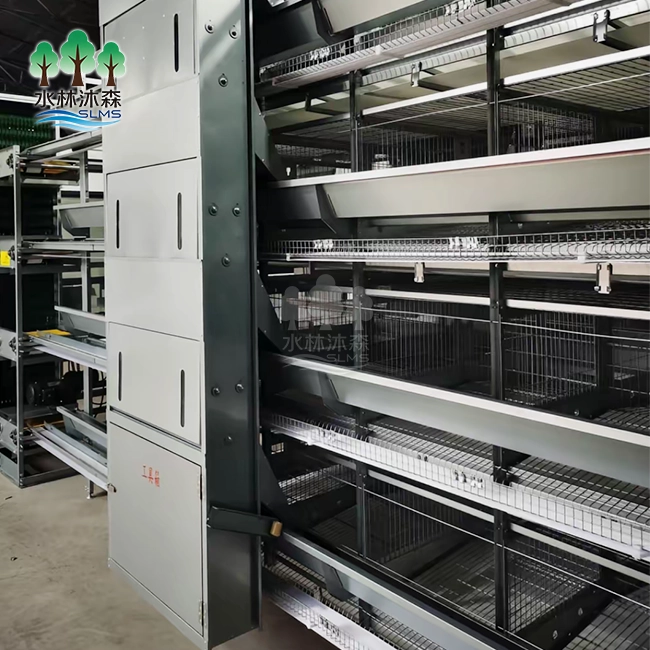
Modern Three-tier Broiler Cages represent a significant advancement in industrial chicken farming. The framework is usually made of galvanized iron wire and frames that don't rust and are designed to last in the harsh conditions of industrial broiler operations. These structures are specifically designed to support stocking rates of up to 50 kg/m², which lets producers make the most of the space they have without sacrificing bird comfort.
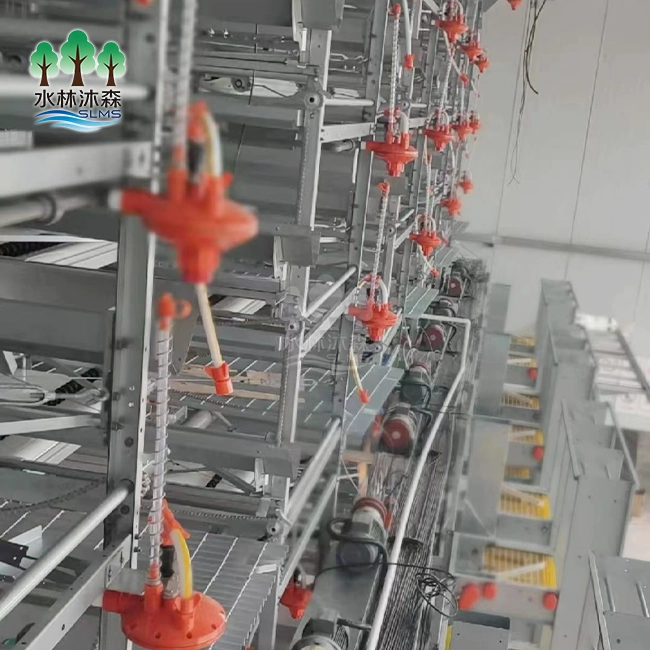
Several automatic systems work together to make up the cage structure. Automatic feeding lines make sure that animals get the right amount of food all day, and nipple drinking systems make sure they always have clean water. Automated manure removal belts run all the time below, keeping waste away from the living area and drastically lowering the buildup of ammonia, which is very important for respiratory health. With this integrated method, traditional tasks that require a lot of work are turned into streamlined production systems where one worker can effectively oversee much bigger flocks of birds.
Impact on Broiler Health and Production Metrics
Placement accuracy is directly linked to how well the process goes. When cages are placed properly, each level gets enough air flow, which stops the heat buildup that often happens in systems with more than one level. When cages are put correctly, birds gain weight more evenly across all floors because the environment stays the same and there aren't any areas of the house that are better or worse for them.
Comparing scientifically arranged tiered systems to traditional floor systems, research done across business operations shows that the number of diseases is cut by 25–30%. This drop is because birds and their trash are physically separated, and air quality control has gotten better. The raised structure also helps light get to more areas, which supports natural circadian rhythms that affect how much food is eaten and how fast birds grow.
Core Principles for Scientific Placement of Three-Tier Broiler Cages
Ventilation Strategy and Environmental Control
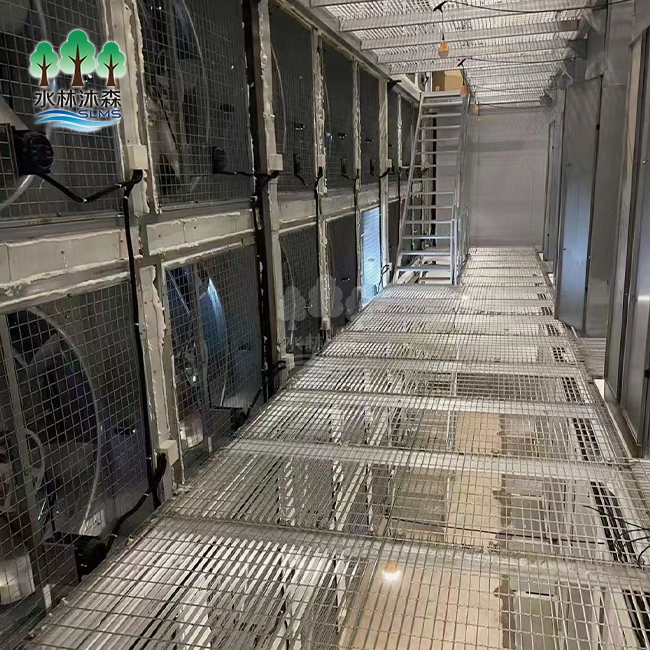
Careful engineering is needed to get air to flow properly through Three-tier Broiler Cages. Tunnel ventilation systems work most effectively when the rows of cages are lined up parallel to the direction of the wind and there is enough space between the aisles so that air can flow evenly through each level. The hardest part is making sure that the top tier doesn't get too hot and that the birds in the bottom tier get enough fresh air.
The temperature difference between tiers should stay between 2 and 3°F. To do this, the static pressure needs to be kept at a determined level, usually between 0.08 and 0.10 inches of water column, and circulation fans need to be put in a way that sends rising warm air back down through the cage structure. Controlling humidity becomes just as important, since too much moisture makes conditions good for pathogenic bacteria. When cages are placed correctly, their open-wire design helps move moisture away, but only when the cages are put to take advantage of the building's airflow.
Feeding and Watering System Integration
Automated feeding systems work best when the placement of the cages takes into account the paths that the trolleys will take and how the food will be distributed. The food line should stay the same height on all three levels, which means the cage needs to be perfectly leveled when it's set up. Any variation makes it harder for birds on parts that aren't lined up right to get to the food or causes too much spillage.
Controlling the pressure of a watering system gets trickier when it is set up vertically. Because of gravity, bottom-tier nipples usually have higher water flow than top-tier units. Scientific placement includes placing pressure-compensating regulators in the right place for each level to make sure all the birds get water at the right flow rate, which is about 60–80 ml per minute. Paying attention to hydraulic principles stops both water loss and not enough drinking, which happen a lot in systems that aren't set up right.
Structural Stability and Ergonomic Considerations
The weight of the cage framework must be evenly spread across the building's support system. Scientific placement includes figuring out the total live weight of all the birds at market day, which is usually between 2.5 and 3.0 kg per bird, and making sure that the floor load capacity can handle this mass times the number of birds. Older buildings that weren't built for intensive vertical systems may need to be strengthened.
Accessibility for maintenance is often forgotten when the site is first planned. A safe working space for checks, fixes, and emergency situations is one with an aisle width of at least 1.2 to 1.5 meters. When putting cages together, they should be placed so that doorways can be used. This will make depopulation easier when it's time to gather. These practical considerations make the workplace safer and less stressful for workers, which has a direct effect on the overall cost of running the equipment over its lifetime.
Comparative Analysis: Scientific Placement vs Traditional Methods
Production Efficiency and Economic Returns
Ten to twelve birds per square meter are usually kept in traditional floor-based broiler farming. Three-tier Broiler Cage systems that are scientifically put can triple or even quadruple this capacity on the same amount of floor space. This changes the economics for makers in a big way. A comparison study of operations in the southeastern United States showed that factories that switched from floor systems to properly engineered tiered cages were able to increase their annual production cycles from 5.5 to 6.2 batches. This was a 12.7% increase in annual throughput without having to add on to the size of the building.
Material Durability and Maintenance Requirements
Gains in labor productivity are just as convincing. Every day, floor systems need a lot of work, and workers have to walk long distances to check on the health of the birds, fix the feeders, and keep an eye on the quality of the litter. Automated tiered systems cut down on the amount of work that needs to be done by about 40%, and one trained person can effectively care for 50,000 birds. This decrease in work directly leads to lower production costs per pound, usually by $0.03 to $0.05 per pound at market weight.
Usually, older machines use electro-galvanized parts that break down quickly in high-ammonia settings and need to be replaced every three to five years. Hot-dip galvanization is used in modern Three-tier Broiler Cage systems to make a metallic zinc bond that can survive corrosive conditions for 15 to 20 years. This longer lifespan makes calculating return on investment much easier, especially for businesses that get loans to buy tools. In scientific setups, the automatic manure removal systems get rid of the need for weekly cleanout work, saving time and effort while keeping air quality better throughout the growth cycle.
Practical Steps to Implement Scientific Placement of Three-Tier Broiler Cages
Site Assessment and Preparation
Before work starts, the place needs to be carefully inspected to establish the foundation for successful implementation. The main limitation is the height of the building—Three-tier Broiler Cage systems need clear heights of at least 4.5 to 5 meters to fit the cage structure and leave enough room above for ventilation equipment and servicing access. Existing air systems need to be checked to see how much they can handle. For most changes, fan systems need to be upgraded to handle the higher stocking density.
When evaluating, you should also pay attention to how the lighting is spread out. In tiered systems, natural light doesn't get through as well, so extra LED lighting needs to be placed so that the strength is the same at all levels. During the development phase, target lighting levels of 10 to 20 lux support normal behavior patterns while using the least amount of energy. These preliminary tests keep you from having to make expensive changes in the middle of a project and make sure that the system you install works as efficiently as it was meant to.
Equipment Selection and Customization
Choosing the right cage size relies on the weight of the target market and the length of the production cycle. In standard designs, each piece is 1.8 to 2 meters long and 0.9 to 1 meter wide, and it can hold 50 to 70 birds at market weight. For producers who want to raise heavier birds (3 kg or more), customized designs with stronger bottom mesh and more floor room for each bird help avoid leg problems and breast blisters that lower the quality of the meat.
Customization choices go beyond measurements and include choosing the amount of automation. Some businesses choose fully automated systems that include climate control, while others choose semi-automated systems that balance the cost of capital with working control. At Shuilin Musen Aquaculture Equipment, our engineering team gives detailed advice on how to match the specs of equipment with the output goals, budget, and labor availability of each operation. This customized method makes sure that the system setup works at its best in each situation.
Installation Best Practices and System Integration
The cage frame needs to be perfectly leveled before it can be installed correctly. Even small changes can cause problems with watering and food that get worse as the production cycle goes on. Professional installation teams use laser leveling tools to make sure that limits stay within 3–5 mm along the whole length of the building. This accuracy keeps feed from building up in low spots and makes sure that the watering nipples work right in all settings.
Before adding birds, system interface testing should be done. When automated systems for feeding and watering birds are put under a lot of stress, mechanical, electrical, or computer mistakes that could put birds in danger are found. During the testing process, workers can also get used to using the controls and learning what to do in a situation. Our company offers full installation videos and expert help documents that cover every part of setting up a system.
Ongoing Maintenance and Performance Optimization
To keep the benefits of scientific placement going, strict upkeep rules must be followed. Every day, you should check that the feeder works, the water flow stays the same, and the waste belt works on all levels. Every week, the structure is checked for damage like broken connections, wire wear, or frame rust that could make the system less safe or less effective. These regular steps keep small problems from getting worse and stopping production.
Seasonal changes improve work as the outside world changes. In the summer, ventilation rates may need to be changed or mist systems may be used to add extra cooling. In the winter, operations focus on keeping birds warm and preventing cold stress in birds that are close to ventilation openings. Keeping track of weather data like temperature, humidity, and air speed at different levels gives useful information for improving how the system works. Facilities that use these data-driven management techniques regularly have higher output levels.
Procurement and Supplier Selection for Scientific Three-Tier Broiler Cages
Evaluating Supplier Capabilities and Support Services
You have to look at more than just the initial equipment price when choosing the right Three-tier Broiler Cage provider. The image of a supplier in the commercial chicken business tells you a lot about how reliable their products and services are. Manufacturers that have been around for a while usually keep long lists of references that potential buyers can use to get in touch with current customers and look at real-world performance data.
When a provider is being evaluated, the warranty support should be carefully looked at. Standard one-year warranties cover problems with the way the product was made, but some sellers offer longer warranties or servicing plans that cover ongoing issues. Technical support skills are also important. Suppliers should give help in multiple languages, how-to guides for installation, and quick troubleshooting when problems happen. Companies with engineering teams can make changes that are specific to the needs of each location.
Logistics and Installation Considerations
When you buy in bulk for large-scale processes, you need sources with strong manufacturing capabilities and quality control systems. Lead times are very different between makers, ranging from 4 to 6 weeks for basic systems to 10 to 14 weeks for configurations that are very different from the standard. When operations plan to build or renovate a barn, they need to make sure that the delivery times of tools work with the finishing dates of the building so that there are no costly delays.
On-site installation services are very helpful, especially for businesses that are setting up tiered systems for the first time. Farm workers who aren't familiar with the equipment can't set it up as quickly as experienced installation teams can. This cuts down on starting time and makes sure that everything is set up correctly. At Shuilin Musen Aquaculture Equipment, we offer direct on-site installation services. Our technical teams go to the sites of our customers to oversee the setup of equipment and train operators.
Sustainability and Regulatory Compliance
More and more, environmental effect and regulatory compliance are taken into account in modern procurement choices. Many farming businesses are now making commitments to sustainability, which means buying equipment made from recyclable materials and built to last longer. Energy-efficient automation systems lower continuing costs and leave less of an impact on the environment. For example, automatic feeding systems reduce the amount of wasted feed, and ventilation systems that work better use less energy for heating and cooling.
Regulatory environments are always changing, and in many places, standards for animal care are getting stricter. Three-tier Broiler Cage systems that are scientifically intended to give animals enough room, a variety of activities, and less stress help businesses stay in line with current rules while also getting ready for what will likely be needed in the future. Suppliers who know about legal trends can help buyers choose equipment that meets both current standards and expected future requirements.
Conclusion
Scientific placement of Three-tier Broiler Cage systems delivers measurable improvements in production efficiency, bird welfare, and economic returns. The best ventilation design, controlled food and watering systems, and long-lasting galvanized construction all work together to make a complete solution that solves the main problems of raising a lot of chickens. When compared to standard ways, facilities that use these ideas get higher stocking densities, lower labor costs, and better feed conversion ratios. Successful implementation requires careful site assessment, appropriate equipment selection, precise installation, and disciplined ongoing maintenance.
FAQ
What building modifications are necessary before installing three-tier broiler cages?
Most current broiler houses don't need many structural changes, but the roof height needs to be at least 4.5 meters to fit the Three-tier Broiler Cage construction and ventilation equipment. When there are more birds, ventilation systems usually need to be updated. This usually means adding more air fans and updating the control systems. Automatic systems for feeding, watering, and removing waste must be supported by the electrical infrastructure. A thorough site survey shows what changes need to be made to each building.
How do automated systems in three-tier cages reduce operational costs?
Automation cuts the need for workers by about 40%, and one person can take care of much bigger bird populations. Automated feeding gives exact amounts, so there is no waste from mistakes made when giving by hand. Continuous removal of waste keeps the air clean, which lowers the risk of sickness and the cost of medicine. These combined improvements usually lower the cost of production by $0.03 to $0.05 per pound, which directly raises the profit margins for every production cycle.
Can existing buildings be retrofitted with three-tier systems?
Many buildings that are already there can be retrofitted with Three-tier Broiler Cage systems as long as they meet the standards for height and structural load. When the building is fully stocked, older buildings may need to have their foundations strengthened to handle the extra weight. Most of the time, ventilation systems need to be updated to keep three types of air quality stable. Professional site surveys find out if the upgrade is possible and what changes need to be made before buying equipment.
Partner with a Trusted Three-Tier Broiler Cage Manufacturer
Shuilin Musen Aquaculture Equipment Co., Ltd. has eight years of experience creating and making high-tech housing systems for chickens for large-scale business operations. Our Three-tier Broiler Cage systems are made of corrosion-resistant galvanized steel and are designed to last 15 to 20 years. They also have built-in technology that cuts work costs by over 40% and can be configured in any way you need. We offer full support, including training guides, on-site installation services, and a warranty that covers one year. Our technical team is also available to help you.
Our engineering knowledge can help you get the most out of your equipment investment so that you can be as productive and profitable as possible, whether you're building new facilities or growing old ones. Please email our team at wangshuaislms@gmail.com to talk about your project needs and find out how our scientifically designed solutions can improve the efficiency of your broiler production. Visit slms-equipment.com to explore our complete product range and request a customized proposal.
References
1. Appleby, M. C., Mench, J. A., & Hughes, B. O. (2004). Poultry Behaviour and Welfare. CABI Publishing, Wallingford, UK.
2. Donald, J. (2018). Commercial Chicken Meat and Egg Production (5th ed.). Springer Science & Business Media, New York.
3. Fairchild, B. D., & Czarick, M. (2015). Poultry Housing for Hot Climates: Principles and Practices. University of Georgia Cooperative Extension Bulletin 1329.
4. Seedorf, J., Hartung, J., Schröder, M., & Linkert, K. H. (1998). Environmental Factors Affecting Ammonia Emissions from Livestock Buildings. Journal of Agricultural Engineering Research, 70(3), 245-256.
5. Tabler, G. T., & Wells, J. B. (2017). Broiler Management Practices in High-Density Housing Systems. Mississippi State University Extension Service Publication 2863.
6. Vandermeulen, J., Moonen, B., & Van de Ven, L. (2016). Economic Comparison of Broiler Rearing Systems: Floor vs. Multi-Tier Cage Systems. International Journal of Poultry Science, 15(11), 423-431.
Learn about our latest products and discounts through SMS or email