Top-rated broiler feed pans for commercial poultry farms
Choosing the right feeding tools is one of the most important decisions that business poultry companies in the US have to make. It's important to have a broiler feed pan because it's the link between your feed distribution system and your group. It has a direct effect on your feed conversion rates, the health of your birds, and your bottom line. This carefully designed machinery gives birds evenly distributed food while reducing waste, which greatly improves the efficiency of operations in aviaries with 5,000 to over 100,000 birds.
Working with both large-scale integrators and family farms has taught us that the quality of feeding tools affects both daily success and the farm's ability to make money in the long run. This book tells procurement managers, farm engineers, and equipment sellers what they need to think about when they're looking for feeding options that give them a measured return. We'll talk about the materials, shapes, and real-world performance factors that are important for modern chicken coops.


Understanding Broiler Feed Pans: Types, Materials, and Sizes
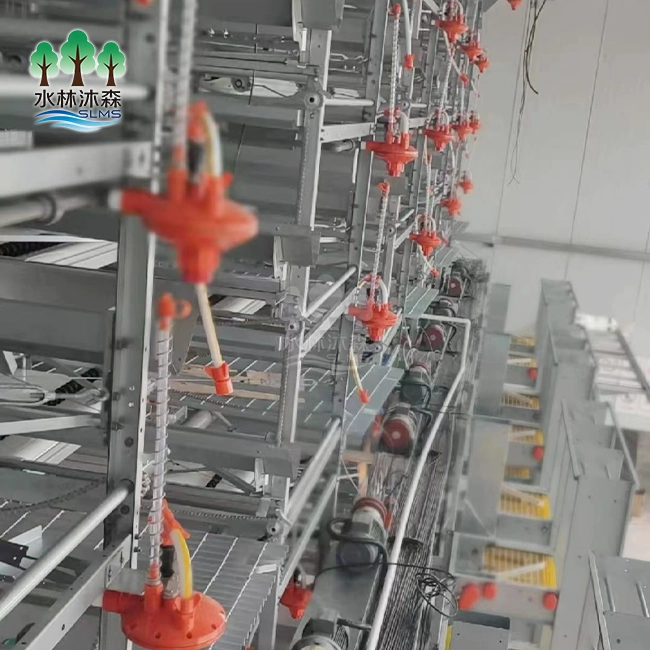
These days, feeding pans are a lot more than just dishes for food. These systems work with automatic delivery networks to make sure that your whole house gets the same amount of food. The basic design includes a central feed tube linked to auger-driven delivery lines, with separate eating areas around it so that more than one bird can get food at the same time without fighting.
Manual Versus Automated Feeding Systems
Manual feeding pans need to be filled and watched over every day, which means they can only be used in smaller businesses or specialty breeding projects. Automated broiler feed pans are directly linked to mechanical feed distribution systems. They get feed through drop tubes that are connected to auger chains that are either above or below the floor. The automation benefit becomes clear when you look at it on a larger scale. For example, a 50,000-bird house with automatic pans needs 70% less feeding work than a manual system. This means that your team can focus on watching bird health and managing the environment instead of doing repetitive feeding tasks.
Material Selection: Polypropylene and Polyethylene Performance
Our feeding pans are made from virgin-grade PP (polypropylene) and PE (polyethylene), which were chosen because they work well in tough chicken house conditions. Polypropylene is better at resisting chemicals like ammonia and organic acids that are found in busy chicken coops. It can keep its shape for 10 to 15 years of constant use. The material doesn't crack when hit, which is very important when big birds are flying in finisher rounds.
Polyethylene is very flexible in a wide range of temperatures, so it doesn't break easily during winter cleanouts. Both materials can be cleaned with high-pressure water and industrial disinfectants without breaking down, so they can be used in strict biosecurity practices between flocks. The hydrophobic surface qualities keep feed from crossing in areas with a lot of humidity, which keeps the flow steady from the delivery systems to the eating areas.
Compartment Configurations and Flock Density
The right size has a direct effect on how animals eat and how evenly they grow. Our 8-compartment models are good for smaller operations or specialized breeding programs. Each pan can hold 35 to 45 birds, based on the size of the birds and the goal house density. The 14-compartment layout works well for medium-density business houses because it can hold 45 to 60 birds per unit and give them enough room to eat throughout their growth cycle.
Our heavy-duty 16-compartment pans work best in high-density finisher houses and can hold 55 to 70 adult broilers each. The increased number of compartments makes it easier for all of the birds to grow at the same rate during peak eating times. To figure out how many pans you need, you have to look at your goal stocking density, estimated market weight, and feeding patterns. For operations that want to sell birds for 6 pounds, we usually suggest 50 to 55 birds per 16-compartment pan.
Key Benefits of Using High-Quality Broiler Feed Pans
When you buy engineered feeding tools, you get returns that keep growing with each output cycle. Quality broiler feed pans affect three important performance areas: how well feed is used, how productive workers are, and how long the pans last.
Enhanced Feed Conversion and Reduced Waste
Our pan systems have a safe grille design that stops the natural scratching and flicking that loses expensive feed. Birds get to the food through specially designed holes that let their heads fit in without letting them rake too hard. Our clients always say that their feed waste goes down by 3–5% within the first grow-out cycle. This saves them between $800 and $1,200 per house per year, which adds up to 30,000 birds. The V-shaped bottom profile ducts direct food toward the middle as birds eat, stopping buildup and the development of old food pockets around the edges. That alone cuts down on the feed that needs to be thrown away at cleanout, which saves money and makes it easier to keep between groups clean.
Adaptability Across Growth Stages
As birds grow from 40-gram chicks to 3-kilogram birds that are ready to be sold, broiler farms need tools that can adapt to their needs. Our broiler feed pan feeding pans have settings that let you change the feed level, so you can change the depth of the food as the birds get older. During the brooding phase, lower feed levels help the birds start eating right away and get used to the food system quickly.
As birds move into the grower and finisher stages, lower sets can handle higher consumption levels without having to make frequent system changes. Because they are so flexible, they don't need their own plates when they are young. This saves money on tools and time that would have been spent on extra feeding programs. The broiler feed pan base can be taken off and cleaned thoroughly between flocks, which supports all-in/all-out control methods that keep diseases from spreading.
Maintenance Efficiency and Hygiene Standards
In the poultry market, biosecurity requirements have grown, making cleaning tools an essential part of doing business. Our feeding pans have bottoms that can be taken off completely and from the main body without any tools. This makes all the inside areas accessible for pressure washing and germ-killing. Surfaces with a smooth finish don't let bacteria stick to them or make biofilm, so chemical sanitizers can kill all pathogens.
Fixing latches made of stainless steel or strengthened plastic don't open or break after being taken apart many times. These design features cut down on the time needed to turn the house around between flocks—our clients say that cleaning takes 25–30% less time than with older feeding equipment. The strong construction can handle harsh cleaning methods that use high-pressure water, foam applicators, and industrial disinfectants, and it keeps working after dozens of production cycles.
Comparing Top Broiler Feed Pan Options for Commercial Use
Clear comparisons across key performance factors help with procurement choices. You can better match the right tools for your needs if you know how different configurations work in real business settings.
Automated Integration and Labor Economics
Standardized drop tube connections and cable support gear make it easy for automated feeding pans to connect to mechanical distribution systems. The overhead auger systems send feed to the center feed tube, which then properly distributes it across all compartments without any help from a person. Our fixing latches securely connect to the suspension wires, so the pan doesn't sag or move around during the day as birds use it.
We offer detailed video instructions that show how to connect, change the height, and test the system, so installation doesn't require a lot of technical know-how. When you look at it on a larger scale, the labor economics become very appealing: a 40,000-bird house with motorized pans only needs one person to keep an eye on the system, while three workers would be needed to feed the birds by hand, which would save over $45,000 a year in labor costs.
Polypropylene Versus Alternative Materials
Some makers make feeding pans out of metal, but our thorough field testing shows that virgin-grade polypropylene is the best material for industrial broiler operations in terms of performance and cost. Metal pans make suspension systems much heavier, which makes them more difficult to build and install. The lighter weight of polypropylene makes wire systems less stressed while still having enough structural strength for big finisher birds.
Although polypropylene is more expensive than metal, its main benefit is that it doesn't rust or pit when exposed to ammonia-rich chicken house air. Metal pans that are exposed to these conditions need to be replaced every three to five years, but polypropylene pans don't need to be replaced at all. The chemical inertness of polypropylene keeps it from getting dirty, which can happen with metal pans that have been treated with industrial coats or galvanization compounds.
Capacity Considerations for Large-Scale Operations
Commercial broiler managers who run more than one house gain from standard equipment that works the same way in all of them. Our heavy-duty broiler feed pan 16-compartment pans meet the needs of high-density finisher production, where grown birds put a lot of mechanical stress on feeding tools. Bird strikes don't change the reinforced rim design, so the compartment shape stays the same during the grow-out time.
Dimensional stability makes sure that the depth of the feed is the same from all eating angles. This encourages even consumption habits, which leads to more even market weight distributions. Standardized equipment makes it easier for large businesses to buy things because it makes it easier to keep track of inventory, train repair staff, and get discounts on large orders, which can help with both new building and retrofit projects.
Practical Guide to Procuring Broiler Feed Pans for Commercial Farms
When buying equipment, it's important to think about more than just the product specs. You should also think about how reliable the supplier is, how much professional help they offer, and the total cost of ownership.
Specification Alignment and Vendor Evaluation
Your buying checklist should cover a number of different success factors. First, figure out how densely you need to feed the birds based on their market weights and the number of birds you want to sell. For example, operations that want to sell 6.5-pound birds need more eating room per bird than operations that want to sell 5-pound birds. Make sure that any possible sellers you talk to can give you a lot of detailed information, like material certifications, dimensional specs, and instructions on how to integrate their products with the feed distribution equipment you already have.
When evaluating a supplier, you should look at their quality control standards for manufacturing, their guarantee coverage, and their ability to provide help after the sale. We have strict testing methods that include checking the density of the material, putting it under a static load of 100 kilograms, and simulating rapid aging to predict how well it will work in the long run. Our one-year guarantee shows that we're confident in the quality of our products, and our expert support team is always available to answer questions about installation and operation.
Bulk Purchasing and Customization Options
When businesses with multiple locations or that sell tools to customers in multiple regions buy in bulk, they can save a lot of money on costs. Bulk sales usually result in 15–25% lower unit costs than small purchases, which makes large-scale installs more cost-effective. We can make custom setups to meet specific operational needs, such as different section spacing for different bird breeds, better UV stabilization for operations at high altitudes with a lot of sunlight, or color-coding systems for house management programs for multiple age groups. The customization process starts with a detailed consultation that looks at your working factors. This is followed by testing the prototype and planning production so that it fits in with your project's schedule.
International Procurement and Logistics
Through established distribution networks and the ability to ship directly, we serve industrial poultry businesses all over the United States. Standard wait times for stock setups of the broiler feed pan are 3 to 5 weeks, while 6 to 8 weeks are needed for custom orders from the time the specifications are approved until they are delivered. Our transportation partners are experts at transporting farm equipment, so they'll make sure it gets to your building on time and is handled properly.
We accept a number of B2B payment methods, such as letters of credit, wire transfers, and set account terms for approved distributors. Clear price structures get rid of hidden costs. For example, our quotes break down the costs of equipment, packing, freight, and any duties that apply in great detail, so your buying team can make accurate budget plans.
Why Trust Our Recommended Broiler Feed Pan Brands and Suppliers
Choices you make about equipment have long-term effects on your business. Choosing sellers with strong support systems and a history of reliability lowers the risk of buying. Weifang Shuilin Musen Aquaculture Equipment Co., Ltd. has been specializing in chicken feeding solutions for eight years and has a skilled R&D team of five engineers who are always making the equipment work better.
Our approach to making is a mix of cutting-edge technology and strict quality control. Before it is shipped, every feeding pan goes through material verification, structural stability testing, and dimensional accuracy checking. We've sold feeding systems to business operations ranging from family farms with 10,000 birds to combined operations that manage multiple 100,000-bird houses. This has given us real-world experience with the performance needs of a wide range of production settings.
Quality production and quick customer service have led to long-term relationships with clients who come back for building expansions and equipment changes. This proves that our method of customer partnership rather than transactional sales is the right one. We are committed to more than just selling equipment; we also offer full professional help. We offer in-depth installation videos that show how to put together the system, change the height, and connect it to existing feed distribution networks. On-site installation services are used for complicated retrofits or big new building projects that need to arrange the placement of equipment.
Conclusion
Choosing feeding tools is an investment in the efficiency and profitability of your poultry business. High-quality broiler feed pan products made from long-lasting materials, intended to cut down on waste, and backed by full technical support give clear benefits by increasing feed conversion, lowering work needs, and increasing service life. The things this guide talks about—choosing the right material, setting up the compartments, integrating automation, and evaluating suppliers—will help you make smart purchasing choices that fit your business scale and performance goals. Because we've worked with large chicken operations using a range of production systems, we can help you choose the right tools (including the broiler feed pan), create a system that works best for you, and get ongoing technical support that makes your investment worth every penny.
FAQ
How often should broiler feed pans be cleaned during production?
Daily spot cleaning gets rid of dust that has built up and keeps the feed fresh, and when the house is turned over between groups, it is completely sanitized. The moveable base makes it easier to do a thorough job of disinfecting and pressure washing. It usually takes 15-20 minutes per house to get it clean.
What pan configuration suits a 20,000-bird broiler house?
For example, a 20,000-bird farm that wants to sell birds at normal market weights needs 350 to 400 feeding pans with 14 or 16 compartments, based on the number of birds and the weights they want to sell. During the consultation process, we figure out your exact needs based on your unique factors.
Can feeding pans be customized for specific farm layouts?
Customization meets a range of practical needs, such as changing the support hardware for houses with odd shapes, adding more UV protection for places with a lot of sunlight, or making sure that the spaces between the compartments are just right for certain bird breeds. We can make special orders, but it takes 6 to 8 weeks to get them to you after you approve the specifications.
Partner with Shuilin Musen for Reliable Broiler Feeding Solutions
Weifang Shuilin Musen Aquaculture Equipment Co., Ltd. makes designed feeding equipment that changes how productive industrial chicken farms are. Our broiler feed pan systems are made with brand-new materials, have features that cut down on waste, and come with full expert support to help you solve your practical problems. As a well-known company that makes broiler feed pans, we help procurement teams by giving them personalized suggestions, low volume pricing, and reliable foreign shipping that works with the schedules of your projects.
Our quick after-sales service and one-year guarantee show that we want to work with you for a long time. Visit slms-equipment.com or email our technical team at wangshuaislms@gmail.com to talk about your feeding equipment needs and get full product specs that are made just for your business. We are ready to help you be successful with your chicken production by giving you proven equipment options and expert advice.
References
1. Johnson, M.R., & Peterson, K.L. (2021). Feed Efficiency Optimization in Commercial Broiler Production. American Poultry Science Association Press.
2. Williams, D.T. (2020). Material Science Applications in Agricultural Equipment Design. Agricultural Engineering Publishers.
3. Thompson, S.J., & Rodriguez, A.M. (2022). Automated Feeding Systems for Large-Scale Poultry Operations. Livestock Technology Institute.
4. Anderson, P.W. (2019). Biosecurity Protocols and Equipment Sanitation in Poultry Houses. Veterinary Agriculture Publications.
5. Mitchell, R.K., & Chen, L.H. (2023). Economic Analysis of Labor-Saving Technologies in Poultry Farming. Farm Management Review Quarterly.
6. Barnes, T.A. (2021). Design Principles for Welfare-Compliant Poultry Equipment. Animal Welfare Engineering Society.
Learn about our latest products and discounts through SMS or email